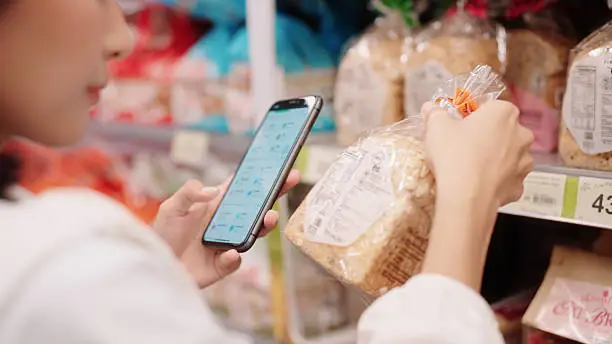
Ever bought a product that didn’t match the claims on the box?
Learning how to read product labels can save your money, protect your health, and help you choose genuine quality every time.
How to Read Product Labels Before You Buy (Avoid Fake & Low-Quality Items)

Learn how to read product labels before buying. Discover simple ways to identify genuine ingredients, avoid fake claims, and choose quality products confidently
Buying products online or in stores has never been easier—but choosing the right product has never been harder. Misleading claims, confusing ingredient lists, and flashy packaging often hide poor quality or fake items.
This guide will help you read product labels with confidence, understand what actually matters, and avoid wasting money on products that don’t deliver what they promise.When consumers understand how product labels work, they gain the ability to make informed buying decisions rather than relying only on marketing promises. Labels provide insight into ingredients, product origin, safety information, and manufacturing transparency.
While packaging design often focuses on attracting attention, the label itself contains the information that reveals what a product actually contains and how it was produced. Learning to interpret this information helps buyers recognize genuine quality and avoid misleading claims.
In an era where online shopping and global marketplaces make thousands of products available instantly, label awareness has become an essential consumer skill.
In this guide, you’ll learn:
- How to decode ingredient lists and claims
- Common label tricks brands use to mislead buyers
- What to check before buying skincare, accessories, or lifestyle products
This article is based on general consumer research, label regulations, and common industry practices observed across skincare, personal care, and lifestyle products. While it does not replace professional advice, it is designed to help everyday buyers understand labels more confidently and avoid misleading claims.
Check verified products with clear labeling here

Why Product Labels Matter More Than Ever
Product labels are not just design elements—they’re legal disclosures. Everything printed on a label tells a story about quality, safety, and authenticity.
Ignoring labels can lead to:
- Buying counterfeit or low-quality products
- Skin irritation or allergic reactions
- Paying premium prices for cheap materials
Understanding labels gives you control as a buyer.Modern supply chains allow products to move quickly between manufacturers, distributors, and online marketplaces. While this accessibility benefits consumers, it also increases the likelihood of encountering misleading marketing or counterfeit products.
Product labels help bridge this gap by providing standardized information about ingredients, manufacturing sources, and safety details. Regulatory agencies in many countries require certain information to appear on packaging so buyers can verify authenticity and quality.
Taking a moment to review this information can significantly reduce the chances of purchasing products that do not meet expectations.
Step 1: Read the Ingredient List (Not the Front Claims)
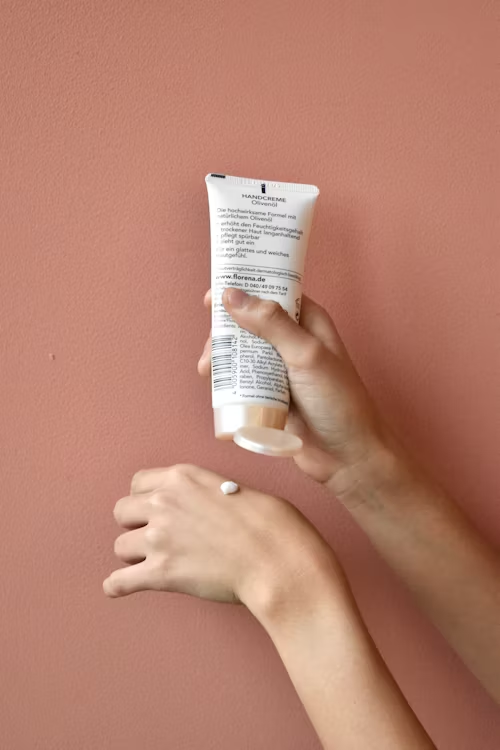
The front of the package is marketing.
The ingredient list is the truth.
What to check:
- Ingredients are listed from highest to lowest quantity
- The first 3–5 ingredients matter most
- Short, clear ingredient lists are often better than extremely long ones
⚠️ Be cautious if:
Ingredient lists are typically organized using international naming standards. In skincare and cosmetic products, ingredients often follow the International Nomenclature of Cosmetic Ingredients (INCI) system, which ensures consistency across different countries and brands.
Although some ingredient names may appear complex, they are standardized so scientists, regulators, and manufacturers can clearly identify what a product contains. Over time, becoming familiar with common ingredient names helps consumers recognize beneficial components and avoid substances that may not suit their skin or preferences.
Understanding how ingredient lists are structured allows buyers to evaluate products based on their composition rather than relying only on packaging claims.
- Important ingredients are listed near the end
- Ingredients are hidden under unfamiliar scientific names
- There is no ingredient list at all
If you shop online often, read this guide on how to choose quality products online without getting scammed.How to Choose Quality Products Online Without Getting Scammed
Step 2: Understand Common Label Claims (What They Really Mean)
Some words sound impressive but are often unregulated marketing terms.
| Claim | What It Really Means |
|---|---|
| “Natural” | Not always 100% natural |
| “Dermatologically tested” | Tested, not necessarily approved |
| “Clinically proven” | Ask: proven how and by whom? |
| “Premium quality” | No legal definition |
Always verify claims by checking ingredients and brand transparency.
Step 3: Check Manufacturer & Brand Transparency
A trustworthy product label should clearly show:
- Brand name and manufacturer
- Country of origin
- Customer support contact (email or website)
🚩 Red flags:
- No company address
- Poor spelling or grammar
- No official website or brand presence
Transparent brands have nothing to hide.Legitimate brands typically provide multiple ways for customers to verify their identity and contact them if needed. This transparency may include official websites, customer service email addresses, social media presence, and clear product documentation.
Brands that openly share this information demonstrate accountability and confidence in their products. In contrast, vague company information or missing contact details can make it difficult for consumers to confirm authenticity or report product concerns.
Checking brand transparency before purchasing can help buyers avoid unreliable sellers and build trust with companies that prioritize quality and customer support.
Step 4: Expiry Dates, Batch Codes & Authenticity Marks
Never skip this step—especially for skincare or personal care items.
✔ Look for:
- Manufacturing date
- Expiry or “best before” date
- Batch or lot number
- QR codes or authenticity seals (when available)
Missing or scratched batch codes are a strong warning sign.Batch numbers play an important role in product traceability. Manufacturers use these codes to track when and where a product was produced, which helps identify potential quality issues if they arise.
For skincare and personal care items, batch codes also allow brands to monitor product freshness and safety. Some companies even provide online tools where consumers can enter batch numbers to confirm manufacturing dates.
Checking these details ensures the product you are purchasing has not been improperly stored, expired, or replaced with counterfeit versions.
Step 5: Why Labels Matter More for Skincare Products
Skincare products interact directly with your skin, so label accuracy is critical.
Before adding any product to your routine:
- Check for fragrance or alcohol if you have sensitive skin
- Look for active ingredient percentages (when mentioned)
- Avoid vague promises like “instant results”
In many countries, product labels are regulated by consumer protection laws and regulatory authorities to ensure safety, accuracy, and transparency. However, enforcement standards can vary, which is why buyers should always review labels carefully rather than relying only on front-pack claims.
Daily Skincare Routine for Healthy Skin: What Actually Works Daily Skincare Routine for Healthy Skin: What Actually Works
Why Counterfeit Products Are Increasing Online
Online marketplaces have made it easier for buyers to access products from around the world, but they have also created opportunities for counterfeit items to enter the market. Some fake products closely imitate genuine packaging, making them difficult to identify without carefully examining the label details.
Counterfeit items may use copied brand names, altered ingredient lists, or fake certification logos to appear legitimate. Because of this, buyers should compare product images, review seller credibility, and check labeling consistency before completing a purchase.
Taking these precautions helps reduce the risk of receiving products that do not meet safety or quality standards.
Step 6: How to Read Labels When Shopping Online

Online shopping adds another layer of risk.
Before purchasing:
- Zoom into product images to read labels
- Compare ingredient lists across different sellers
- Read both positive and negative reviews
- Avoid deals that look “too good to be true”
View products with transparent ingredient details here
Common Label Tricks Buyers Should Know
Be careful of:
- “Before & after” images without proof
- Foreign-language labels with no translation
- Overuse of buzzwords with no explanation
- Fake certifications or logos
If something feels unclear, it’s better to skip the purchase.
How Smart Label Reading Saves You Money
Understanding labels helps you:
- Avoid overpriced low-quality products
- Choose items that actually suit your needs
- Build long-term trust with reliable brands
Smart buying is not about spending less—it’s about spending wisely.
Final Thoughts
Learning how to read product labels is a simple skill that pays off for life. Whether you’re buying skincare, accessories, or lifestyle products, labels tell the real story behind the packaging.As consumers become more aware of labeling practices, brands are increasingly expected to provide clear and honest product information. Transparency builds long-term trust between companies and their customers.
By developing the habit of checking labels before buying, shoppers can protect themselves from misleading marketing and choose products that genuinely meet their needs. Over time, this simple practice leads to smarter purchases and greater confidence when shopping both online and in stores.
Take a few extra seconds to read before you buy—it can save your money, your time, and your trust.
Explore verified products with clear labeling and transparent details
FAQs
Q: Are long ingredient lists bad?
Not always. What matters is ingredient quality and relevance.
Q: Can labels be fake?
Yes. That’s why brand transparency and batch codes matter.
Q: Is “natural” always safe?
No. Natural ingredients can still cause reactions.
This guide is for educational purposes and helps buyers make informed decisions.