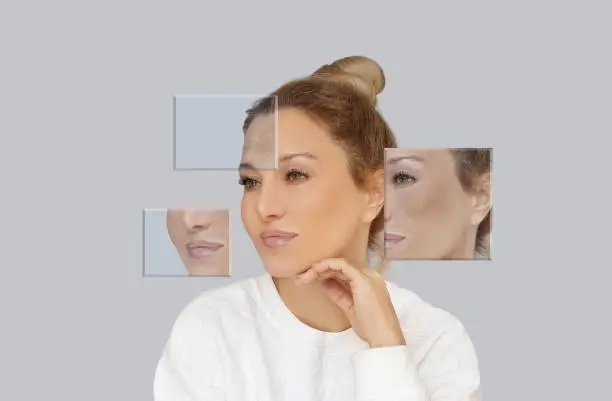
Learn how skin aging works in 2025, including collagen decline, cellular slowdown, and environmental impact, explained through modern dermatological science.
The Science of Skin Aging in 2025: Collagen Shifts, Cellular Slowdown, and Functional Longevity
Skin aging is a natural biological process that develops gradually over time. Rather than appearing suddenly, it results from a series of structural and cellular changes occurring within the skin. These changes influence how the skin maintains firmness, repairs itself, and responds to environmental stress.
Proteins such as collagen and elastin, along with the skin’s renewal cycle, play key roles in maintaining healthy structure and flexibility. As these systems evolve with age, the skin begins to show visible signs such as fine lines, texture changes, and reduced elasticity.
Understanding the biological science behind these changes helps create more effective skincare strategies. Instead of focusing on quick fixes, modern skincare increasingly emphasizes long-term skin health, protection, and consistent support for the skin’s natural functions.In 2025, anti-aging is no longer about reversing time — it’s about supporting skin function as it evolves. Modern dermatology focuses on biological aging processes rather than surface correction, shifting attention to collagen signaling, cellular communication, and long-term skin resilience.
Understanding what truly changes in aging skin helps separate science from marketing noise.
What Skin Aging Actually Is (Biological Definition)
Skin aging is a gradual shift in how skin cells:
- Renew themselves
- Communicate with supporting structures
- Respond to environmental stress
These changes occur at different layers of the skin, not just the surface.Skin aging occurs across multiple layers of the skin rather than only on the surface. The epidermis, which is the outer protective layer, gradually renews itself more slowly with age. This can contribute to dullness and uneven texture as older cells remain on the surface for longer periods.
Beneath the epidermis lies the dermis, where structural proteins such as collagen and elastin form a supportive network that gives the skin its strength and elasticity. Over time, the production and organization of these proteins begin to change, weakening the skin’s internal support system.
At the same time, communication between skin cells becomes less efficient. Repair signals and regeneration processes slow slightly, meaning the skin responds more gradually to damage or stress. Because these changes occur simultaneously across different layers, skin aging is best understood as a multi-layer biological process rather than a single surface concern.
Collagen Decline: What Happens and Why
Collagen production begins slowing in early adulthood, but the issue is not loss alone — it’s reduced signaling efficiency.
Key factors influencing collagen behavior:
- Fibroblast activity
- UV exposure history
- Inflammatory stress
- Sleep and recovery cycles
Supporting collagen means improving cellular conditions, not forcing stimulation.Within the dermis, collagen fibers form a dense network that acts like a supportive framework for the skin. This structure helps maintain firmness and prevents the skin from losing its shape over time. When collagen levels gradually decline, the network becomes less dense, allowing the skin to develop fine lines and reduced structural strength.
Environmental factors can accelerate this process. Ultraviolet radiation from sun exposure is one of the most significant contributors to collagen breakdown. Over time, repeated UV exposure triggers enzymes that degrade collagen fibers, a process commonly associated with photoaging.
Pollution and oxidative stress may also contribute to weakening collagen structures. Because of this, protecting the skin from environmental damage has become an essential part of preserving collagen integrity over the long term.
Elastin and Skin Flexibility Over Time
Unlike collagen, elastin is produced early in life and regenerates poorly. Aging skin shows reduced recoil because elastin fibers become fragmented over time.Elastin plays a critical role in allowing the skin to stretch and return to its original position after movement. This recoil ability helps maintain smoothness and prevents the skin from appearing loose after repeated facial expressions.
Unlike collagen, elastin fibers are produced in much smaller quantities and are difficult for the body to regenerate once damaged. Environmental stressors such as ultraviolet radiation and pollution can gradually weaken elastin fibers, reducing their ability to support skin flexibility.
As elastin integrity declines, the skin may begin to lose some of its natural bounce and resilience. Because elastin repair is limited, protecting the skin from environmental stress remains one of the most effective strategies for maintaining long-term elasticity.
This explains why firmness loss feels gradual rather than sudden.
Cell Turnover Slows With Age
Younger skin renews roughly every 28 days. With age, this cycle extends, leading to:
- Dull appearance
- Uneven texture
- Slower recovery from irritation
Gentle renewal support is now favored over aggressive exfoliation.As skin ages, the natural cycle of cell renewal gradually slows. Younger skin typically replaces surface cells more quickly, helping maintain brightness and smooth texture. Over time, this process becomes less efficient, meaning older cells remain on the surface longer.
This slower turnover can contribute to dullness, uneven tone, and rougher texture. Because of this, mild exfoliation techniques are often used to encourage healthy renewal without damaging the skin barrier.
Balanced exfoliation helps remove excess surface buildup while still protecting the skin’s natural defenses. Modern skincare approaches therefore prioritize gentle, consistent renewal rather than overly aggressive treatments that may cause irritation.
Inflammation: The Silent Accelerator of Aging
Chronic low-grade inflammation (“inflammaging”) disrupts:
- Barrier function
- Pigment regulation
- Collagen stability
Reducing inflammation is now considered an anti-aging strategy itself.Chronic low-level inflammation can be influenced by a variety of external factors. Environmental pollution exposes the skin to microscopic particles that generate oxidative stress, which may trigger inflammatory responses within skin cells.
Ultraviolet radiation from sunlight can also activate inflammatory pathways that weaken collagen and elastin over time. In addition, lifestyle factors such as chronic stress, poor sleep quality, and fatigue can disrupt the body’s ability to regulate inflammation effectively.
When these factors accumulate, they may gradually contribute to long-term skin changes associated with aging. Supporting the skin barrier and reducing unnecessary irritation are therefore important strategies for maintaining healthy skin balance.
Environmental Factors That Influence Skin Aging
While biological aging is inevitable, environmental influences play a major role in how quickly visible skin changes appear. Dermatologists often refer to these external contributors as extrinsic aging factors.
Ultraviolet radiation remains the most significant environmental cause of premature skin aging. Repeated sun exposure accelerates collagen breakdown and can weaken elastin fibers, contributing to wrinkles and uneven pigmentation over time.
Air pollution is another growing concern for skin health. Pollutants can generate oxidative stress that interferes with normal skin repair processes and weakens the skin’s protective barrier.
Lifestyle habits also affect the aging process. Sleep quality, stress levels, and overall daily routines influence how efficiently the skin can repair itself. Maintaining balanced habits alongside protective skincare helps support healthier skin as it ages.
Why Anti-Aging Is No Longer a “Fix”
In 2025, skin aging is managed through:
- Barrier preservation
- UV protection consistency
- Recovery-aligned routines
Healthy aging skin is functional skin.Skin aging is a gradual and natural process that reflects changes occurring within the body over time. Rather than focusing solely on reversing visible signs, modern skincare increasingly prioritizes maintaining resilience and supporting the skin’s long-term health.
Consistent protection, balanced routines, and realistic expectations play a central role in this approach. Small daily habits—such as sun protection and gentle skincare—often have a greater long-term impact than short-term solutions.
By understanding how skin structure evolves with age, it becomes easier to build routines that support stability, strength, and overall skin function for the years ahead.
Curious about what happens beneath the surface after 25? Explore how collagen naturally changes over time and what it means for your skin.
Editorial Disclosure
This article is for educational purposes and reflects current scientific understanding of skin aging processes.