

Understand how sunscreen works in 2025, the difference between mineral and chemical filters, and why daily SPF matters for long-term skin health.
Sunscreen Science in 2025: What Really Protects Your Skin (And What Doesn’t)
Introduction
Sunscreen has evolved far beyond thick white creams of the past. In 2025, formulas are lighter, smarter, and more skin-friendly than ever. But despite all the innovation, confusion still exists.
Does SPF 50 really work better than SPF 30?
Are mineral sunscreens safer?
Do you still need sunscreen indoors?
Understanding the science behind sunscreen helps you make better choices — especially if you’re serious about long-term skin health.
How Sunscreen Actually Works
Sunscreen protects your skin from ultraviolet (UV) radiation.
There are two main types of UV rays:
- UVA – Contributes to premature aging and pigmentation
- UVB – Responsible for sunburn
Modern sunscreens are designed to offer broad-spectrum protection, meaning they protect against both UVA and UVB rays.
How Much Sunscreen Should You Apply?
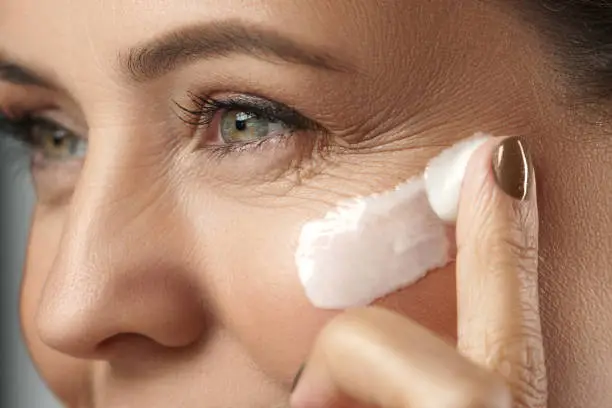
Dermatologists often recommend using about two finger lengths of sunscreen to properly cover the face and neck. This simple guideline helps ensure that enough product is applied to achieve the level of protection listed on the SPF label. In reality, many people apply far less than the recommended amount, which significantly reduces the sunscreen’s effectiveness. Applying too little sunscreen can allow more ultraviolet radiation to reach the skin. Using the correct amount and spreading it evenly across exposed areas helps ensure that broad-spectrum protection works as intended throughout the day.
Mineral vs Chemical Sunscreens (2025 Update)
Mineral Sunscreens
Contain ingredients like zinc oxide or titanium dioxide.
- Sit on top of the skin
- Reflect UV rays
- Good for sensitive skin
Chemical Sunscreens
Contain filters that absorb UV radiation and convert it into heat.
- Lightweight texture
- No white cast
- Often better under makeup
In 2025, many brands combine both technologies for balanced protection.
Mineral sunscreen filters, typically made with ingredients like zinc oxide or titanium dioxide, begin protecting the skin immediately after application because they sit on the surface and reflect or scatter ultraviolet rays. Chemical sunscreens, on the other hand, work by absorbing UV radiation and converting it into small amounts of heat. Because of this mechanism, they usually need about 15–20 minutes to fully absorb into the skin before providing maximum protection. In recent years, many sunscreen formulas have improved significantly, combining advanced filters with lightweight textures that feel comfortable for daily use.
What SPF Numbers Really Mean

SPF measures protection against UVB rays only.
- SPF 15 blocks about 93%
- SPF 30 blocks about 97%
- SPF 50 blocks about 98%
Higher SPF doesn’t mean double protection. The difference becomes smaller as the number increases.
The real key? Applying enough and reapplying every 2–3 hours.
Why Sunscreen Matters Even Indoors

UVA rays can penetrate:
- Windows
- Car glass
- Clouds
This is why dermatologists recommend daily sunscreen, evenWhat SPF Numbers Really Mean
Common Sunscreen Mistakes
Even people who regularly use sunscreen sometimes make small mistakes that reduce its effectiveness. One of the most common issues is forgetting to reapply sunscreen throughout the day, especially during long outdoor activities. Another frequent mistake is applying too little product, which lowers the actual level of protection compared with the SPF rating on the label. Many people also forget to protect areas such as the neck, ears, and hairline, which are often exposed to sunlight. Using expired sunscreen can also reduce effectiveness, as the protective ingredients may degrade over time.
Sunscreen & Skin Concerns
Regular sunscreen use supports:
- Reduced visible signs of aging
- Better prevention of uneven skin tone
- Protection against environmental stress
It’s not just a beach product — it’s a long-term skin health tool.
Choosing the Right Sunscreen for Your Skin Type
Selecting the right sunscreen formula often depends on individual skin type. People with oily or acne-prone skin may prefer lightweight gel or fluid sunscreens that absorb quickly without leaving a heavy finish. Those with dry skin often benefit from moisturizing sunscreen formulas that contain hydrating ingredients to support the skin barrier. Individuals with sensitive skin may find mineral sunscreens more comfortable because they tend to be less irritating. Choosing a formula that matches your skin’s needs increases the likelihood of using sunscreen consistently every day.
2025 Trends in Sunscreen
In 2025, sunscreen innovations include:
- Invisible mineral formulas
- Serum-based SPF
- Hybrid filters
- Water-resistant urban sunscreens
- Skin barrier-supporting SPF blends
Consumers are now looking for protection that feels comfortable enough to wear daily.
Environmental factors like visible blue light exposure from screens are also becoming part of modern skincare discussions.
Final takeaway
unscreen remains one of the most important steps in any long-term skincare routine. Consistent daily protection helps reduce the effects of ultraviolet radiation, which is one of the main contributors to premature skin aging and other forms of skin damage. Modern sunscreen formulas are designed to be lighter, more comfortable, and easier to incorporate into everyday routines. By choosing a product that feels pleasant to wear and applying it regularly, people can support healthier skin while protecting it from environmental stress.