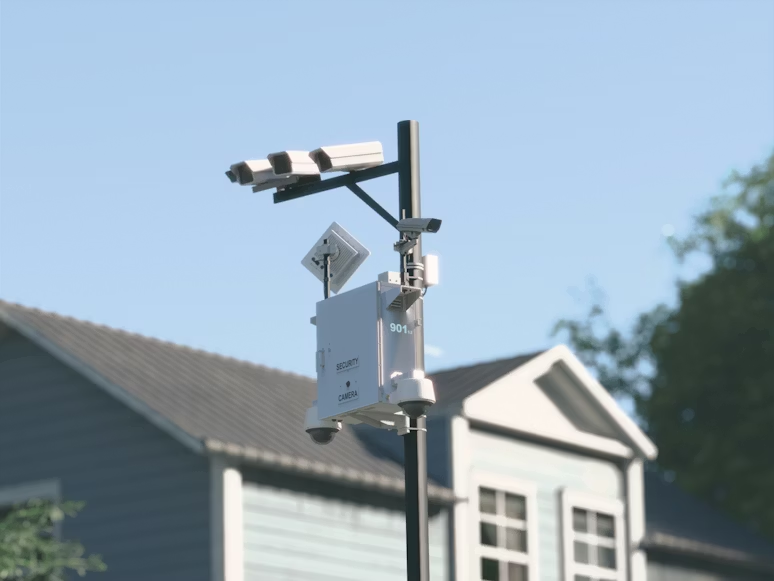
A practical guide to choosing smart home security devices in 2026. Learn what features matter, what to avoid, and how to choose wisely.
Smart Home Security in 2026: What Actually Matters Before You Buy
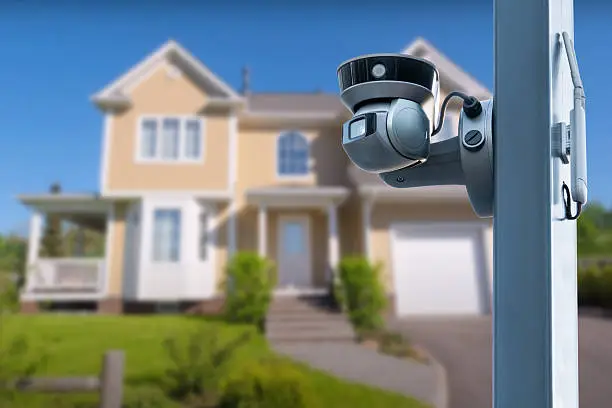
Smart home security is no longer a luxury — it’s becoming a normal part of modern living.
From video doorbells to AI-powered cameras, the options in 2026 are bigger than ever. But more features don’t always mean better protection.
Before buying any device, it’s important to understand what truly matters for safety, privacy, and long-term value.
This guide breaks it down clearly — without technical confusion.
Why Smart Security Is Growing Fast
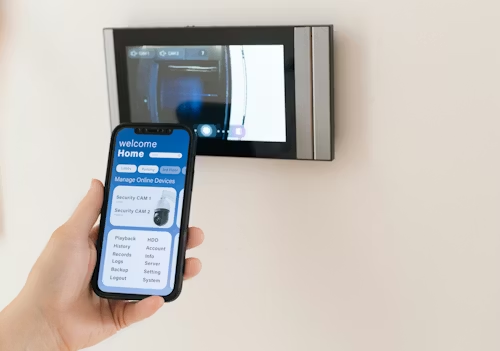
Homeowners today look for:
- Remote monitoring
- Real-time alerts
- Easy mobile access
- Cloud storage
- Motion detection with smart filtering
With hybrid work and increased online shopping, demand for door monitoring and parcel protection has increased significantly.
Types of Smart Security Devices
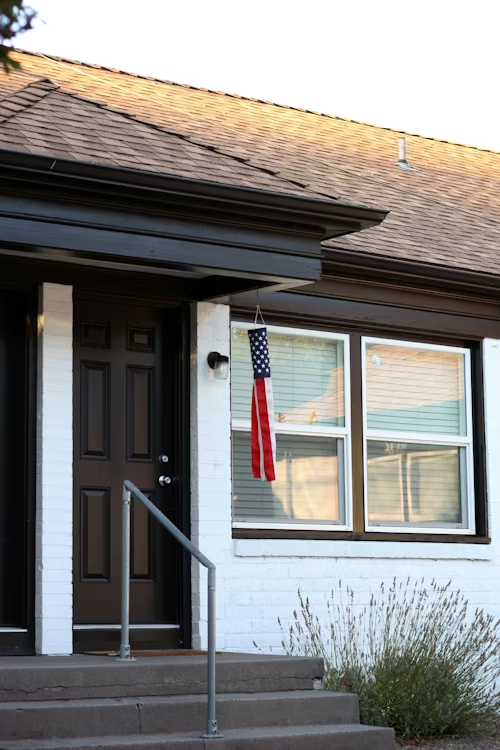
1️⃣ Video Doorbells
Allow live viewing and two-way communication from your phone.
2️⃣ Indoor Smart Cameras
Monitor rooms, pets, and entry points.
3️⃣ Outdoor Security Cameras
Weather-resistant devices for entrances and driveways.
4️⃣ Smart Motion Sensors
Trigger alerts without constant recording.
Features That Actually Matter
When choosing a device, look for:
- 1080p or higher resolution
- Night vision clarity
- Motion zone customization
- Encrypted cloud storage
- App reliability
- Two-factor authentication
Avoid buying only based on brand hype.
Privacy & Data Security
In 2026, privacy is a major concern.
Before installing:
- Check data encryption policies
- Understand cloud subscription costs
- Enable strong passwords
- Update firmware regularly
- Security devices should increase safety — not create digital risks.
Common Mistakes When Buying Smart Cameras
Many first-time buyers focus only on price or brand popularity, which often leads to poor long-term results. One common mistake is purchasing very cheap cameras from unknown brands that lack security updates or reliable software support. Another issue is ignoring storage costs. Some cameras require paid cloud subscriptions to store video recordings, which can become expensive over time. Camera placement is also frequently overlooked. Installing cameras too high, facing bright sunlight, or pointing them directly at reflective surfaces can reduce image quality and detection accuracy. Planning placement and understanding long-term costs can prevent many beginner mistakes.
Installation Tips for Better Security
Proper installation plays a major role in how effective a smart security system will be. Cameras should be positioned at angles that clearly capture entry points such as doors, hallways, or driveways rather than pointing directly downward. Lighting conditions are equally important, as strong backlighting or dark areas can reduce video clarity even with modern sensors. It is also important to check Wi-Fi signal strength before installing devices, especially for outdoor cameras placed far from the router. A stable connection ensures real-time alerts, smooth video streaming, and reliable recording performance.
Smart Security for Apartments vs Houses
Security needs can vary depending on the type of home. Apartment dwellers usually prioritize compact indoor cameras, smart doorbells, and motion sensors that monitor entrances without requiring complex installations. Houses, on the other hand, often benefit from wider coverage that includes outdoor cameras, driveway monitoring, and backyard surveillance. Larger homes may also require multiple devices connected through a central smart hub. Understanding the layout of your living space helps determine which devices provide the most practical protection without unnecessary equipment.
The Future of Smart Home Security
Smart home security technology continues to evolve rapidly. Many modern systems now use artificial intelligence to distinguish between people, pets, and vehicles, reducing unnecessary alerts. Package detection features are also becoming more common, allowing doorbell cameras to notify homeowners when deliveries arrive. Some advanced systems are even experimenting with facial recognition to identify familiar visitors and improve personalized security alerts. As these technologies develop, smart security systems are becoming more accurate, automated, and convenient for everyday use.
Who Should Consider Smart Security?
- Apartment renters
- Families with deliveries
- Remote workers
- Frequent travelers
- Small business owners
Even a single camera can improve awareness.
Final Thoughts
Smart home security works best when chosen thoughtfully.
Focus on:
- Reliability
- Clear video
- Data protection
- Ease of use
Technology should feel empowering — not complicated.