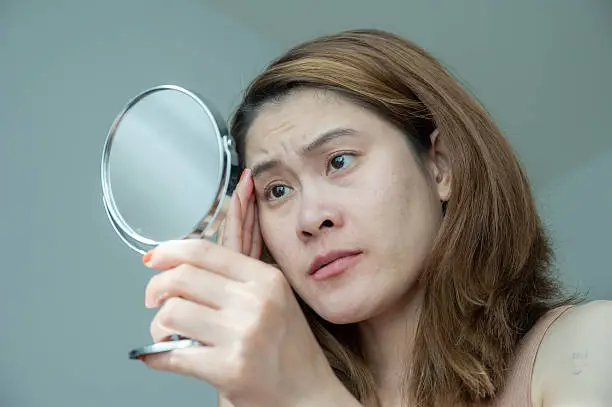
Learn how hormonal fluctuations affect acne, oil production, pigmentation, and skin sensitivity across different life stages.
Hormonal Skin Changes in 2025: Why Breakouts, Pigmentation, and Sensitivity Fluctuate

Hormones play a powerful role in regulating many processes within the skin. They influence how much oil the skin produces, how the body responds to inflammation, and how pigment cells behave. Because hormonal levels naturally fluctuate throughout life, the skin may also experience periods of increased breakouts, changes in pigmentation, or temporary sensitivity. These changes are not random; they reflect the body’s internal signaling system. Understanding how hormones affect skin biology helps explain why certain skin concerns appear at specific times and why balanced routines often work better than aggressive treatments.Hormones influence skin more than most realize. From adolescence to adulthood, hormonal signaling impacts oil flow, inflammation response, and pigment activation.
In 2025, understanding hormonal skin patterns allows for adaptive, balanced routines rather than aggressive correction.
How Hormones Affect Sebum Production

Androgens stimulate sebaceous glands, increasing oil flow. Fluctuations can trigger temporary congestion or inflammatory acne.Sebaceous glands respond strongly to hormonal signals, especially androgens that increase oil production. When these hormones fluctuate, the glands may temporarily produce more sebum than usual. This excess oil can mix with dead skin cells and lead to clogged pores or inflammatory breakouts. Hormonal acne often appears around the lower face, particularly the jawline and chin, where sebaceous glands are more responsive to hormonal shifts. Monthly hormonal cycles can also influence oil levels, which explains why some people notice breakouts appearing at similar times each month.
Hormones and Pigmentation
Estrogen and progesterone shifts can activate melanocytes, leading to:
- Patchy discoloration
- Hormone-related darkening
- Slower pigment recovery
Pigment activation is signal-based, not surface-based.Hormonal changes can influence melanocytes, the cells responsible for producing pigment in the skin. When hormone levels fluctuate, these cells may become more active and produce additional melanin. Ultraviolet radiation can intensify this process, which is why sun exposure often makes hormone-related pigmentation more visible. This interaction helps explain why pigmentation conditions such as Melasma frequently appear during periods of hormonal change, including pregnancy or certain hormonal treatments.
Sensitivity During Hormonal Shifts
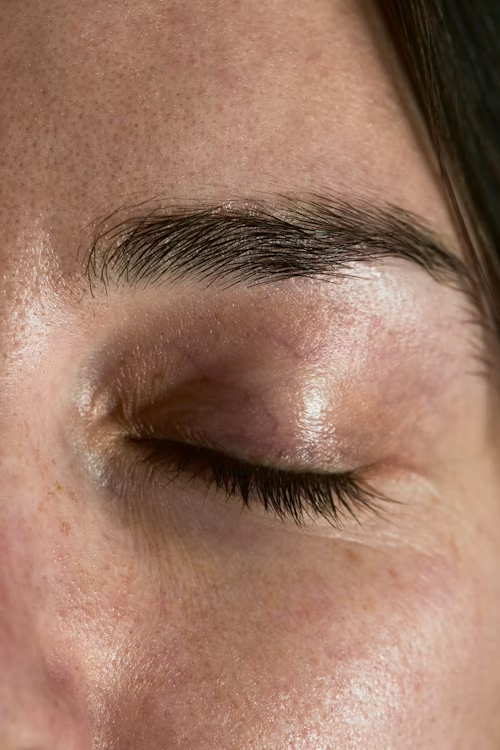
Skin may become:
- More reactive
- Less tolerant to active ingredients
- Slower to repair
Barrier-focused routines support stability.Hormonal fluctuations can also influence the strength of the skin barrier, which protects the skin from irritation and moisture loss. When this barrier becomes slightly weakened, the skin may feel more reactive to environmental factors or active skincare ingredients. Products that normally feel comfortable might suddenly cause redness or irritation during these periods. Because of this, many dermatology experts recommend using gentle, barrier-supporting routines when the skin feels sensitive. Calming formulations and consistent care can help restore balance and reduce unnecessary irritation.
Why Hormonal Skin Changes Feel Unpredictable
Hormonal skin changes can sometimes feel sudden or difficult to anticipate. In reality, hormone levels naturally fluctuate in response to multiple internal and external factors. Daily stress levels, sleep quality, and overall health can influence hormonal balance, which in turn affects skin behavior. Environmental triggers such as seasonal changes, diet variations, or increased sun exposure may also amplify the effects of hormonal shifts. Because these signals interact in complex ways, the skin may react differently at different times, even when using the same skincare routine.
Life Stages and Skin Behavior
- Teenage years: Oil dominance
- 20s–30s: Cyclical breakouts
- Pregnancy/postpartum: Pigment shifts
- Perimenopause: Dryness + sensitivity
Hormonal influence on the skin changes throughout different stages of life. During the teenage years, increased androgen activity often stimulates sebaceous glands, leading to higher oil production and acne breakouts. In the twenties and thirties, many people experience cyclical breakouts that correspond with monthly hormonal rhythms. Pregnancy and postpartum periods may bring noticeable pigmentation changes and increased sensitivity due to hormonal shifts affecting melanocyte activity. Later in life, during perimenopause and menopause, declining estrogen levels can lead to dryness, slower skin repair, and increased sensitivity.
Managing Hormonal Skin Through Stability
Focus areas:
- Barrier preservation
- Inflammation calming
- Consistent UV protection
- Gentle renewal timing
Hormonal skin thrives on routine consistency.
Internal Learning Path
- Acne inflammation cycles
- Pigmentation biology
- Skin barrier repair
Supporting Skin Through Hormonal Balance
Managing hormonal skin changes often focuses on maintaining stability rather than aggressively correcting every symptom. Consistent sunscreen use helps protect against pigmentation that may worsen during hormonal shifts. Barrier-supporting skincare products can strengthen the skin’s natural defenses and reduce irritation. Avoiding overly aggressive treatments, especially during sensitive periods, also helps maintain balance. Gentle routines that support hydration, protection, and gradual renewal tend to work best for skin influenced by hormonal fluctuations.
Long-term hormonal fluctuations can also influence structural proteins like collagen.
Final keys
Hormonal skin changes are a natural part of the body’s internal signaling system and occur throughout different life stages. Rather than treating every change as a problem, many skincare experts now focus on maintaining stability and supporting the skin’s natural functions. Understanding how hormones influence oil production, pigmentation, and sensitivity can help people build routines that adapt to these changes. With consistent care and balanced habits, it is possible to support healthy skin even during periods of hormonal fluctuation.
Editorial Disclosure
Educational resource reflecting current understanding of hormonal influence on skin behavior.