

You can invest in the best skincare products, follow trending routines, and still struggle with breakouts, dryness, or dull skin. In 2026, the biggest problem isn’t lack of products — it’s using the wrong approach.
Many people unknowingly damage their skin barrier, overload their routine, or misuse active ingredients. These mistakes don’t show immediate effects, but over time, they weaken the skin and prevent real improvement.
Understanding what not to do is just as important as knowing what works. This guide breaks down the most common skincare mistakes and explains how to fix them for healthier, balanced skin.
Why Skincare Often Fails (Even With Good Products)
Modern skincare is more advanced than ever, but more options also create confusion. Instead of building a consistent routine, many people switch products too often or follow trends without understanding their skin’s needs.
Healthy skin depends on:
- Consistency
- Balance
- Skin barrier support
- Correct use of active ingredients
When these factors are ignored, even high-quality products fail to deliver results.

1. Over-Cleansing Your Skin
Cleansing is essential, but overdoing it is one of the most common mistakes.
Washing your face too frequently or using harsh cleansers strips natural oils and weakens the skin barrier. This can lead to dryness, irritation, and even increased oil production as the skin tries to compensate.
How to Fix It
- Cleanse twice daily (morning and night)
- Use a gentle, non-stripping cleanser
- Avoid hot water, which can worsen dryness
A balanced cleansing routine helps maintain hydration and protects the skin’s natural defenses.
2. Using Too Many Active Ingredients
Ingredients like retinol, exfoliating acids, and vitamin C are powerful — but using too many at once can overwhelm your skin.
Layering multiple actives often leads to:
- Irritation
- Redness
- Breakouts
- Sensitivity
Instead of improving your skin, this creates long-term damage.
How to Fix It
- Introduce one active ingredient at a time
- Use actives on alternate days
- Focus on skin tolerance, not trends
If you’re unsure how to safely use active ingredients, learn more in our guide on retinol skincare for beginners, where we explain how to build tolerance without damaging your skin.
3. Ignoring the Skin Barrier
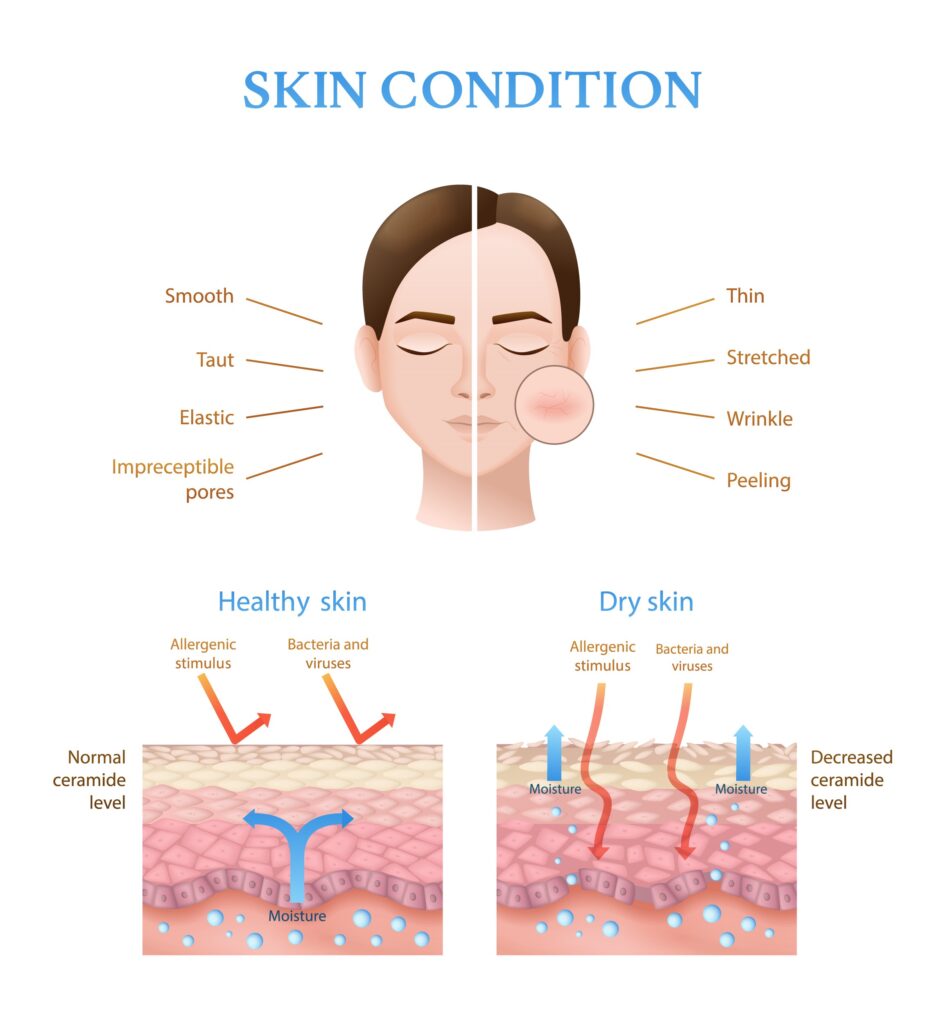
The skin barrier is the foundation of healthy skin, yet many routines focus only on treating visible issues like acne or pigmentation.
When the barrier is damaged, the skin becomes:
- Dehydrated
- Sensitive
- Prone to breakouts
- Slow to heal
How to Fix It
- Use products that support hydration and repair
- Avoid over-exfoliation
- Focus on barrier-friendly ingredients
To understand this in detail, explore our guide on skin barrier repair and recovery, where we explain how the barrier functions and how to restore it effectively.
4. Switching Products Too Frequently
Trying new products every few days is one of the fastest ways to ruin your skincare results.
Skin needs time to adjust. Constant switching:
- Disrupts progress
- Triggers irritation
- Makes it impossible to track what works
How to Fix It
- Give each product at least 3–4 weeks
- Avoid following every new trend
- Stick to a simple, consistent routine
Consistency is what delivers visible, long-term improvement.
5. Skipping Sunscreen
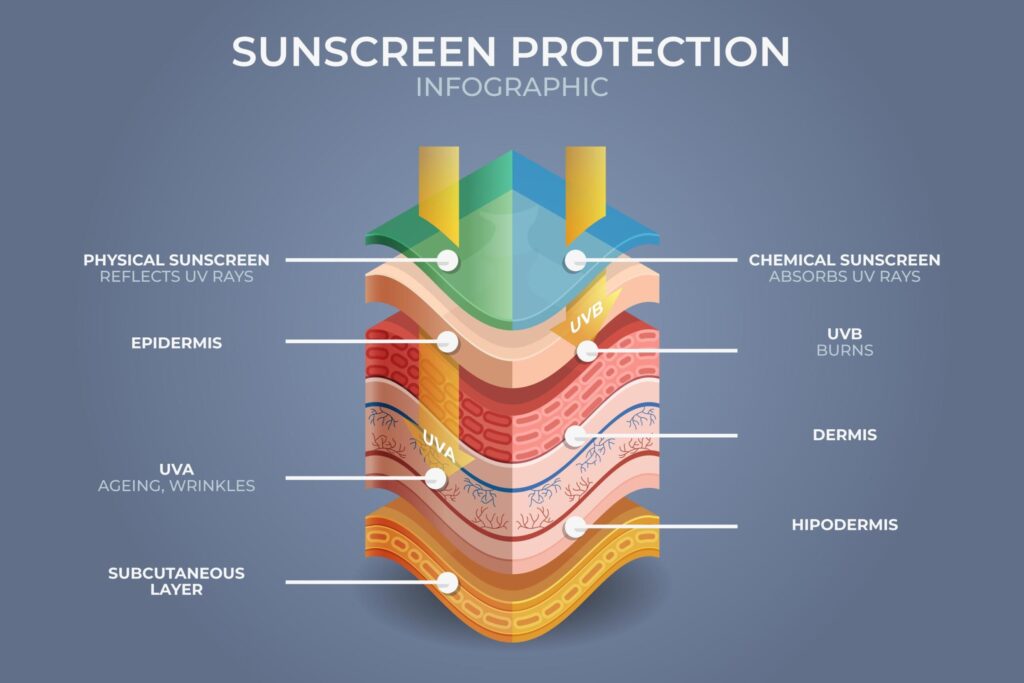
No matter how good your routine is, skipping sunscreen can undo all your progress.
Sun exposure causes:
- Premature aging
- Pigmentation
- Collagen breakdown
- Skin damage at a cellular level
How to Fix It
- Use sunscreen every morning
- Reapply during the day if exposed to sunlight
- Choose a formula suitable for your skin type
Sunscreen is not optional — it is essential for protecting your skin and maintaining results.
6. Over-Exfoliating the Skin
Exfoliation helps remove dead skin cells, but too much of it damages the skin barrier.
Over-exfoliation leads to:
- Redness
- Sensitivity
- Breakouts
- Weak skin structure
How to Fix It
- Exfoliate 1–3 times per week (depending on skin type)
- Avoid combining multiple exfoliating products
- Focus on gentle exfoliation methods
Healthy skin is not about removing layers — it’s about maintaining balance.
7. Not Understanding Your Skin Type
Using products that don’t match your skin type can prevent progress.
For example:
- Oily skin may worsen with heavy creams
- Dry skin may struggle without proper hydration
- Sensitive skin reacts to strong actives
How to Fix It
- Identify whether your skin is oily, dry, combination, or sensitive
- Choose products based on your specific needs
- Adjust your routine as your skin changes over time
Understanding your skin is the first step toward building an effective routine.
8. Ignoring Internal Factors
Skincare isn’t only about products. Internal factors also affect your skin’s condition.
Common influences include:
- Hormonal changes
- Stress
- Sleep quality
- Diet
These factors can trigger breakouts, sensitivity, and uneven skin tone.
To understand this better, learn more in our guide on hormonal skin changes and their effects on breakouts and sensitivity.
9. Expecting Instant Results
One of the biggest mistakes is expecting quick transformations.
Skin repair and improvement take time because they depend on:
- Cell turnover cycles
- Collagen production
- Barrier recovery
How to Fix It
- Be consistent with your routine
- Track progress over weeks, not days
- Focus on long-term improvement
Healthy skin is built gradually, not instantly.
10. Neglecting Long-Term Skin Health
Many routines focus only on fixing problems instead of preventing them.
Long-term skin health depends on:
- Supporting collagen production
- Maintaining hydration
- Protecting the skin barrier
To understand how long-term care works, explore our guide on collagen and its role in skin health, where we explain how skin structure changes over time.
How to Build a Simple, Effective Routine
Fixing skincare mistakes doesn’t require a coMany routines focus only on fixing problems instead of preventing them.
Long-term skin health depends on:
- Supporting collagen production
- Maintaining hydration
- Protecting the skin barrier
To understand how long-term care works, explore our guide on collagen and its role in skin health, where we explain how skin structure changes over time.
Final Thoughts
In 2026, effective skincare is no longer about using more products — it’s about using the right approach.
Avoiding common mistakes can significantly improve your skin’s health, even without expensive products. By focusing on consistency, balance, and barrier support, you create a routine that works with your skin, not against it.
Healthy skin is not the result of quick fixes or trends. It comes from understanding your skin, making informed choices, and maintaining a routine that supports long-term results.
Editorial Note
This article is for educational purposes and is based on general skincare principles, user experiences, and current understanding of skin health. Individual results may vary depending on skin type and routine consistency.