Not all sunglasses suit every face—and that’s why finding the perfect pair can feel frustrating. Learn how to choose sunglasses based on your face shape, lifestyle, lens type, UV protection, and frame style. This complete 2026 sunglasses guide helps you avoid common buying mistakes while building a timeless accessories collection you’ll actually wear. Save this guide before buying your next pair of sunglasses.
You finally find a pair of sunglasses that looked amazing on someone else. The photos online were convincing, the reviews were positive, and you couldn’t wait to try them yourself.
Then you put them on.
Instead of feeling more confident, something feels… off.
Maybe the frames make your face look wider than it is. Perhaps they slide down your nose every few minutes, or the oversized lenses hide your features instead of complementing them. Sometimes the style simply doesn’t feel like “you,” even though it looked perfect in the advertisement.
If you’ve experienced this, you’re definitely not alone.
Many people assume that buying sunglasses is simply about choosing the latest trend or the most expensive brand. In reality, the best sunglasses aren’t necessarily the ones everyone is wearing—they’re the ones that suit your face shape, fit comfortably, match your lifestyle, and protect your eyes properly.
The good news is that you don’t need dozens of pairs to look stylish. Once you understand what works for your face and daily routine, choosing sunglasses becomes much easier, and you’ll avoid wasting money on pairs that spend more time in a drawer than on your face.
Let’s look at what actually matters before you buy your next pair.
Why Choosing the Right Sunglasses Matters
Most people think of sunglasses as a fashion accessory, but they do much more than complete an outfit.
A good pair protects your eyes from harmful ultraviolet (UV) rays, reduces glare, improves visual comfort on bright days, and even helps reduce eye strain when you’re driving or spending time outdoors.
Beyond eye protection, sunglasses also influence how balanced your face appears. The right frame can soften strong facial features, add definition where it’s needed, and create better overall proportions. On the other hand, a poorly chosen frame can make your face appear longer, wider, or less balanced than it naturally is.
Comfort is another factor that’s often overlooked.
If your sunglasses constantly slide down your nose, feel too heavy behind your ears, or squeeze the sides of your head, you probably won’t wear them regularly—no matter how expensive they were.
The goal isn’t to own the trendiest sunglasses. It’s to find a pair you’ll actually enjoy wearing every time you step outside.
Why Most People End Up Buying the Wrong Sunglasses
Buying sunglasses sounds simple until you walk into a store or start browsing online.
Suddenly you’re faced with hundreds of different styles, colors, brands, and lens options. Without realizing it, many people make decisions based on appearance alone instead of considering how the sunglasses will actually fit into their daily lives.
One of the biggest mistakes is following trends without thinking about personal style.
A celebrity might wear oversized square frames that look fantastic on camera, but those same frames may completely overpower a smaller face. Fashion trends change every season, while your face shape stays the same. Choosing sunglasses that suit your features will almost always outlast chasing the latest trend.
Another common mistake is buying sunglasses simply because they’re on sale.
A discounted designer pair can seem like a great deal until you realize they don’t match your wardrobe, feel uncomfortable after twenty minutes, or spend most of their life inside a case.
Many people also ignore where they’ll actually wear their sunglasses.
Driving to work, relaxing at the beach, hiking, traveling, and attending outdoor events all place different demands on your eyewear. Someone who spends hours outdoors may benefit from polarized lenses, while someone mainly wearing sunglasses around town might prioritize comfort and style.
Taking a few extra minutes to think about your lifestyle before buying often leads to a much smarter purchase.
Before investing in your next watch, explore our 5 Watch Mistakes That Ruin Your Overall Look to avoid common styling errors and build a more timeless, versatile accessory collection.
Start With Your Face Shape—Not the Brand

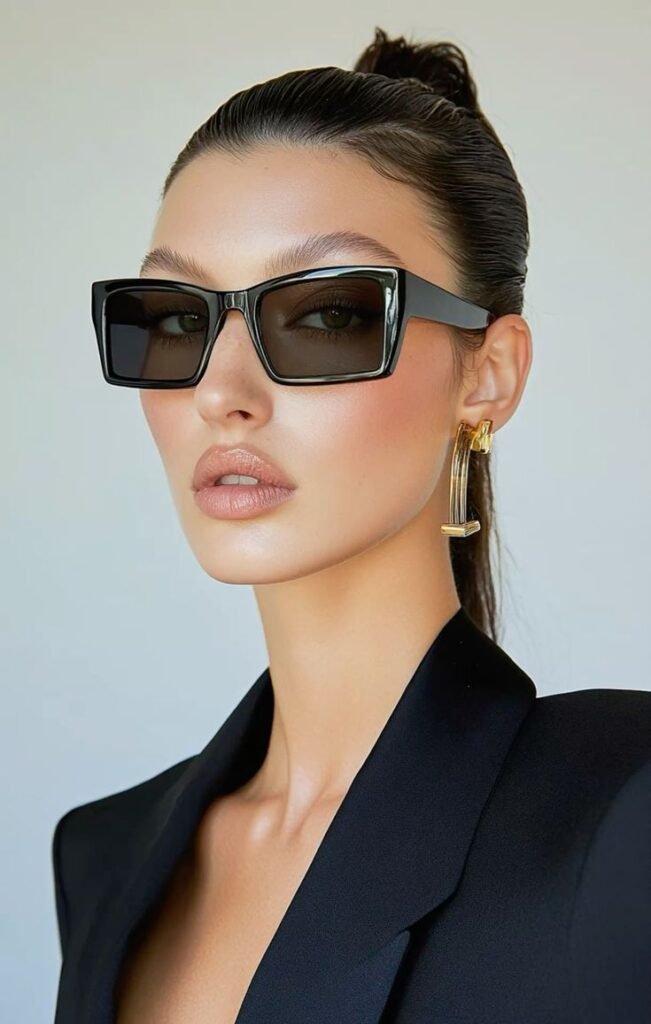
One of the easiest ways to narrow your options is to understand your face shape.
While no guide is absolute, certain frame styles naturally balance different facial proportions better than others.
Round Face
Round faces usually have softer curves with similar width and height.
Frames with stronger angles—such as rectangular, square, or geometric designs—help create more definition and make the face appear slightly longer.
Very small round frames often emphasize facial roundness instead of balancing it.
Square Face
Square faces have a stronger jawline and broader forehead.
Rounded or oval frames soften these sharper features and create a more balanced appearance.
Extremely angular frames can sometimes make the face appear even more structured than it already is.
Oval Face
Oval faces are often considered the easiest to style because their proportions naturally suit many different frame shapes.
That doesn’t mean every pair will work, though.
Frames that are too oversized or extremely narrow may throw off the natural balance of the face. Choosing frames that are similar in width to your face usually creates the most flattering result.
Heart-Shaped Face
Heart-shaped faces are generally wider at the forehead and narrower around the chin.
Frames with softer curves or slightly wider lower sections help balance these proportions.
Very heavy upper frames may draw unnecessary attention to the forehead instead of creating harmony.
Diamond Face
Diamond-shaped faces are typically characterized by wider cheekbones with a narrower forehead and jawline.
Oval, rimless, or gently curved frames often complement these features beautifully by softening the face without hiding its natural structure.
The goal isn’t to completely change your appearance—it’s to create balance while allowing your natural features to stand out.
Lens Color Isn’t Just About Style
Many buyers choose lens colors simply because they look attractive, but different colors affect how you see the world.
Gray lenses are one of the most versatile choices because they reduce brightness while keeping colors relatively natural. They’re excellent for everyday use, driving, and general outdoor activities.
Brown lenses increase contrast and depth perception, making them popular for hiking, fishing, and changing light conditions. They also create a warmer view that many people find comfortable during long periods outdoors.
Green lenses offer a balance between natural color perception and improved contrast, making them suitable for a variety of everyday situations.
Yellow or amber lenses are often associated with low-light conditions. They can improve contrast on cloudy days but aren’t always the best choice under strong midday sunlight.
Instead of choosing lens color purely for appearance, think about where you’ll wear your sunglasses most often.
Polarized Lenses—Are They Worth It?
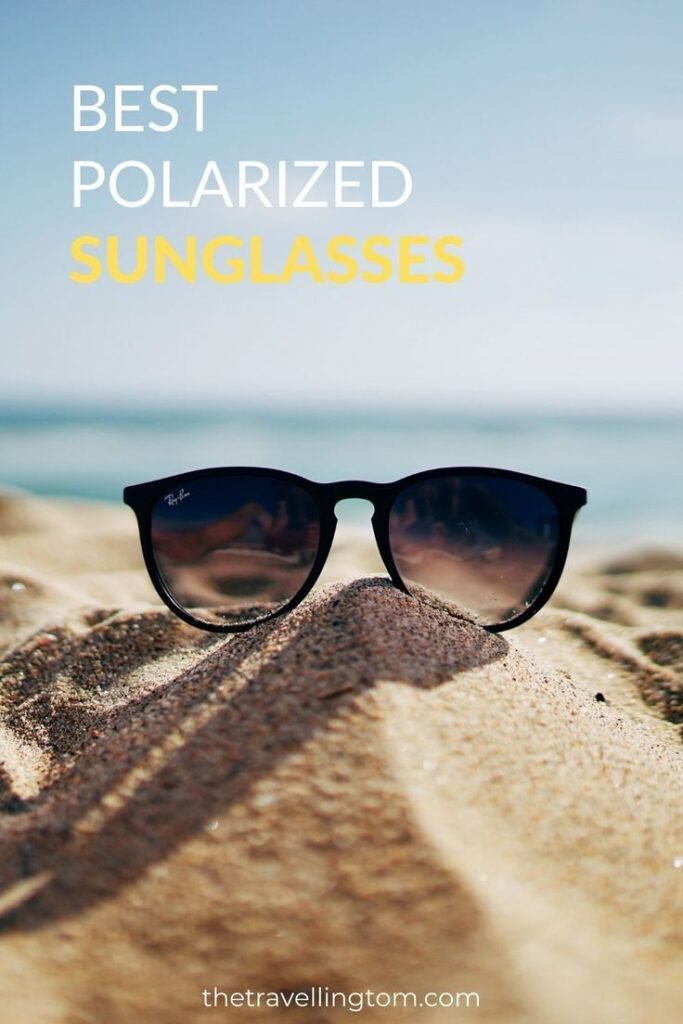
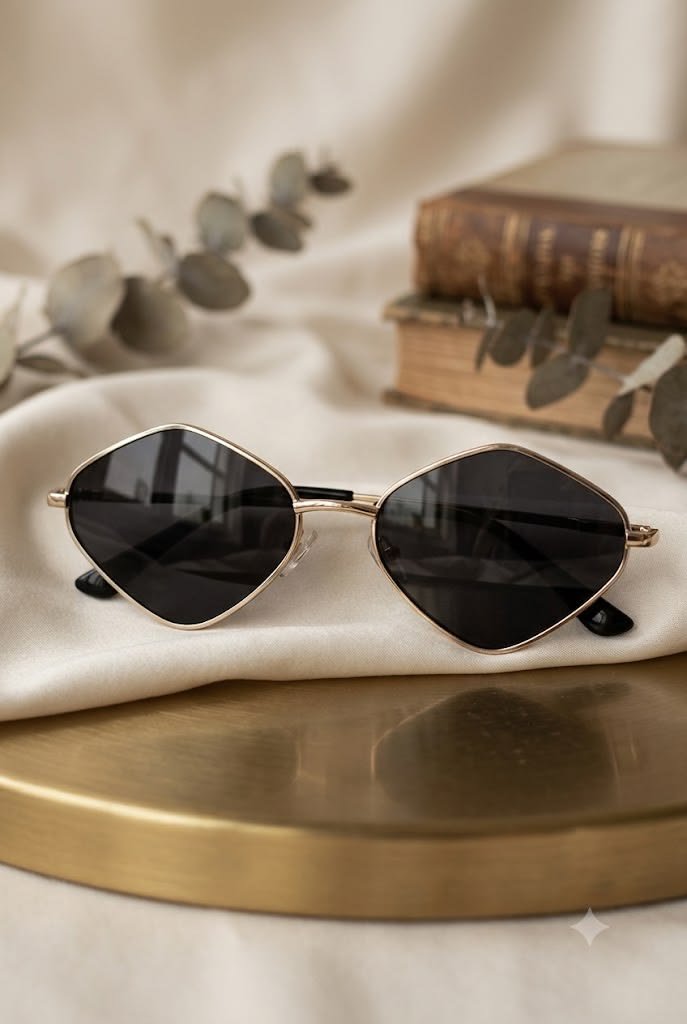
One feature you’ll often see advertised is polarized lenses.
Unlike regular tinted lenses, polarized lenses are designed to reduce intense glare caused by sunlight reflecting off water, roads, snow, or glass surfaces.
If you’ve ever struggled to see clearly while driving on a bright afternoon or spent time near lakes and beaches, you’ve probably experienced this type of glare.
For many people, polarized lenses make outdoor activities much more comfortable because they reduce eye strain and improve visual clarity.
However, they aren’t essential for everyone.
If your sunglasses are mainly worn during short walks around town or casual social outings, standard UV-protective lenses may be perfectly sufficient.
Rather than assuming polarized lenses are automatically better, think about whether glare is something you regularly deal with in your daily routine.
Choose the Right Frame Material for Long-Term Comfort
Most people focus on how sunglasses look, but after wearing them for a few hours, comfort becomes just as important as style. The frame material affects weight, durability, flexibility, and even how often you’ll reach for your sunglasses.
Metal Frames
Metal frames have remained popular for decades because they offer a clean, timeless appearance. They’re often lightweight and pair well with casual outfits, office wear, and formal occasions.
However, not all metal frames are created equally. Cheaper metals may bend more easily or lose their finish over time, while higher-quality stainless steel or titanium frames are more resistant to daily wear.
Metal frames are an excellent choice if you prefer a refined, minimalist style that never feels outdated.
Plastic Frames
Modern plastic frames are available in countless shapes and colors, making them one of the most versatile options.
Quality acetate frames often feel sturdier than inexpensive plastic and maintain their appearance for years with proper care. They also allow for bolder styles without adding too much weight.
If you enjoy making your sunglasses part of your outfit, acetate frames provide plenty of design options while remaining comfortable for everyday use.
TR90 Frames
If you’ve never heard of TR90, you’re not alone.
This lightweight, flexible material has become increasingly popular because it’s incredibly comfortable to wear for long periods. TR90 frames resist bending and are less likely to break if accidentally dropped.
They’re particularly suitable for travel, outdoor activities, and anyone who wears sunglasses daily.
Match Your Sunglasses to Your Lifestyle
One pair of sunglasses can do almost everything—if you choose wisely.
Instead of buying separate pairs for every occasion, think about how you actually spend most of your time.
For Everyday Wear
If you mainly wear sunglasses while shopping, meeting friends, or walking around town, choose timeless designs in neutral colors like black, tortoise shell, brown, or dark gray.
These shades complement almost every outfit and won’t feel outdated after one season.
Medium-sized frames usually offer the best balance between fashion and practicality.
For Driving
Driving places different demands on your sunglasses.
Bright reflections from roads, vehicles, and buildings can quickly become tiring.
Polarized lenses help reduce this glare, allowing you to see more comfortably during long drives.
Gray or brown lenses are excellent choices because they maintain natural color perception while reducing brightness.
Avoid lenses that are too dark, especially if you often drive during sunrise, sunset, or cloudy weather.
For Beach Holidays and Travel
Travel usually means spending long hours outdoors.
Comfort becomes just as important as appearance.
Choose lightweight frames that won’t become uncomfortable after several hours of wear.
UV400 protection is essential, and polarized lenses make beaches, lakes, and coastal areas much more enjoyable by reducing reflections from water and sand.
A protective case is also worth carrying. Many scratched lenses happen while sunglasses are packed loosely inside bags.
For Sports and Outdoor Activities
Running, cycling, hiking, or playing sports requires sunglasses that stay securely in place.
Flexible frames, rubber nose pads, and lightweight materials reduce movement while you’re active.
Fashion should never come before safety during sports. A frame that constantly slips down your nose becomes more distracting than helpful.
If you’re building a collection of timeless accessories, don’t miss our Sports Watch Buying Guide, where you’ll learn how to choose a watch that suits your style, daily routine, and budget.
Small Details That Make a Big Difference
Many buying guides focus only on face shape, but several small details influence how sunglasses actually feel after a full day of wear.
Nose Fit
If sunglasses constantly slide downward, they probably don’t match the shape of your nose bridge.
Some frames include adjustable nose pads that provide a more secure fit, especially for metal frames.
Temple Arms
The arms should sit comfortably over your ears without squeezing your head.
If they leave pressure marks after twenty minutes, the frame is probably too tight.
If they feel loose enough to fall forward when looking down, they’re likely too wide.
Lens Size
Bigger isn’t always better.
Oversized sunglasses remain fashionable, but lenses that completely hide your eyebrows or cheeks can overwhelm your facial features.
Instead of chasing trends, choose proportions that balance your face naturally.
If you’re building a wardrobe that works together, our Capsule Accessories Guide explains how to create a collection that matches almost every outfit.
Mistakes That Can Ruin Your Entire Look
Even expensive sunglasses won’t improve your style if they’re chosen poorly.
One common mistake is buying oversized frames simply because they’re fashionable.
Large frames work beautifully on some faces but can dominate smaller facial features, making your entire outfit feel unbalanced.
Another mistake is choosing flashy logos instead of quality.
Luxury branding may look appealing, but oversized logos often date quickly. Clean, simple designs tend to remain stylish much longer.
Many people also ignore wardrobe compatibility.
Bright red, neon green, or highly unusual frames may seem exciting in the store, but if most of your clothing consists of neutral colors, those sunglasses often become difficult to wear regularly.
Comfort is another overlooked factor.
Some buyers accept uncomfortable sunglasses because they look attractive. Unfortunately, uncomfortable accessories usually stay at home instead of becoming everyday favorites.
Finally, don’t assume higher prices automatically mean better quality.
A well-constructed mid-range pair with proper UV protection often performs better than an expensive fashion pair chosen purely for the brand name.
Style Tips That Never Go Out of Fashion
Fashion trends change every year, but a few styling principles remain surprisingly consistent.
If your outfit already includes bold prints or bright colors, choose simple sunglasses that don’t compete for attention.
Likewise, if you’re wearing an all-neutral outfit, sunglasses can become the statement piece without looking excessive.
Matching your sunglasses with other accessories also creates a more polished appearance.
For example:
- Black sunglasses pair naturally with black belts, watches, or handbags.
- Brown or tortoise-shell frames complement tan leather accessories beautifully.
- Gold hardware looks cohesive with warm-toned sunglasses.
- Silver watches often pair nicely with cooler-colored frames.
These aren’t strict rules—they’re simply ways to create harmony throughout your outfit.
Find the Pair You’ll Actually Enjoy Wearing
The perfect sunglasses aren’t necessarily the most expensive, the trendiest, or the ones everyone else is buying.
They’re the pair you instinctively reach for every time you leave the house because they fit comfortably, protect your eyes, suit your face shape, and work effortlessly with your everyday wardrobe.
Instead of building a collection filled with impulse purchases, focus on finding one versatile pair that truly earns its place.
When comfort, quality, and timeless design come together, sunglasses stop being just another accessory. They become one of the hardest-working pieces in your wardrobe—ready for daily commutes, holidays, weekends, and everything in between.
The right pair won’t completely change your style.
But it will quietly make every outfit look more polished, more intentional, and more like you.
Excellent. This follows the same structure we’ve been using for your recent high-quality posts.
Frequently Asked Questions
How do I know which sunglasses suit my face shape?
Start by identifying whether your face is round, oval, square, heart-shaped, or diamond-shaped. The goal isn’t to change your appearance but to create balance. For example, angular frames usually complement round faces, while softer, rounded frames help balance stronger jawlines. The best pair should also fit comfortably and match your everyday style.
Are expensive sunglasses always better?
Not necessarily. A higher price doesn’t automatically mean better quality. Look for features like UV400 protection, durable frame materials, quality hinges, and comfortable construction. A well-made mid-range pair can easily outperform a luxury pair chosen only for its brand name.
What isUV400 protection, and why is it important?
UV400 lenses block almost 100% of harmful UVA and UVB rays. This helps protect your eyes from long-term sun damage while reducing eye strain during outdoor activities. Regardless of the frame style you choose, proper UV protection should always be your top priority.
Are polarized sunglasses worth buying?
If you spend a lot of time driving, fishing, boating, hiking, or relaxing near water, polarized lenses are a worthwhile investment because they reduce glare and improve visual comfort. For occasional everyday use, standard UV-protective lenses may be perfectly adequate.
How many pairs of sunglasses should I own?
Most people only need two.
- One versatile everyday pair in a neutral color.
- One activity-specific pair for sports, travel, or outdoor adventures.
Buying several trendy pairs often results in many of them sitting unused.
Which frame color matches the most outfits?
Black, tortoise shell, dark brown, and matte gray are among the most versatile choices. These colors pair naturally with both casual and smart outfits, making them ideal if you’re building a timeless accessories collection.
Can sunglasses improve my overall style?
Absolutely. The right sunglasses frame your face, complement your features, and complete an outfit without drawing unnecessary attention. A timeless design often looks more stylish than following every seasonal trend.
How often should I replace my sunglasses?
There’s no fixed timeline. Replace them if the lenses become heavily scratched, the UV protection is compromised, or the frame no longer fits comfortably. A quality pair that is properly cared for can last for many years.
Image Note: Product images and visual references are included to help readers identify the products discussed and understand their appearance and features. Copyright in third-party product imagery remains with the respective rights holders unless otherwise stated.