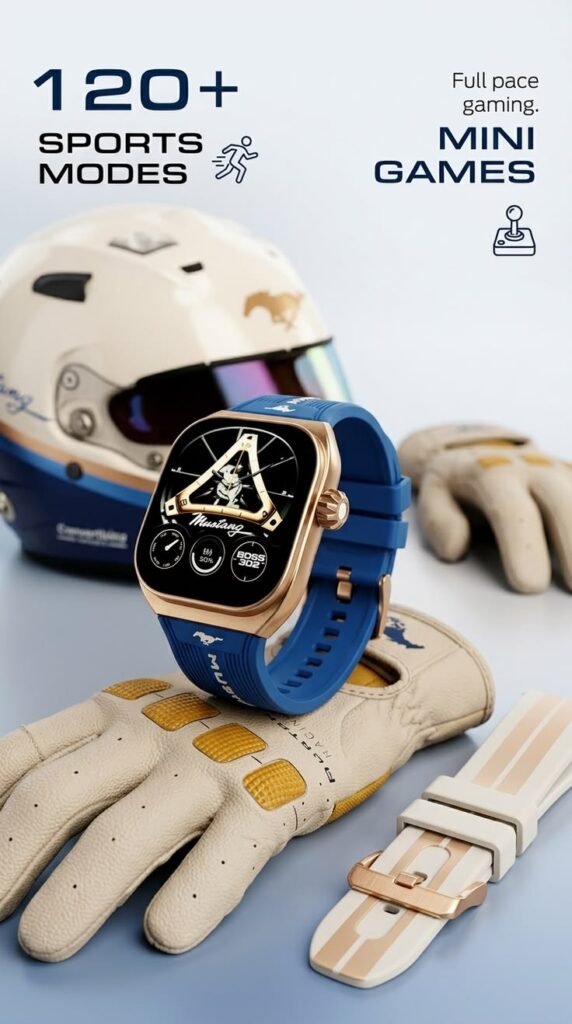

Thinking about buying a sports watch? Don’t waste money on features you’ll never use. Learn how to choose the perfect sports watch for running, gym workouts, hiking, cycling, swimming, and everyday wear. Discover the biggest buying mistakes, must-have features, GPS, heart rate monitoring, battery life, durability, and expert tips before you buy. Save this complete 2026 sports watch guide for your next purchase.
A sports watch can be one of the smartest purchases you make—or one of the easiest ways to waste your money.
With hundreds of models promising advanced GPS, heart rate monitoring, sleep tracking, waterproof designs, and week-long battery life, it’s easy to believe you need every feature available. Many buyers spend hours comparing specifications, only to end up with a watch that feels too complicated, too bulky, or simply doesn’t fit the way they actually live.
The reality is that the best sports watch isn’t the one with the longest feature list. It’s the one you’ll genuinely enjoy wearing every day.
Whether you’re starting a fitness journey, training for your first race, hiking on weekends, or simply looking for a durable everyday watch, understanding what truly matters before you buy can save you money and prevent disappointment later.
This guide explains the biggest mistakes people make when buying a sports watch, the features that deserve your attention, and how to choose a model that supports your lifestyle instead of becoming another forgotten gadget in a drawer.
What Makes a Sports Watch Different From a Regular Watch?
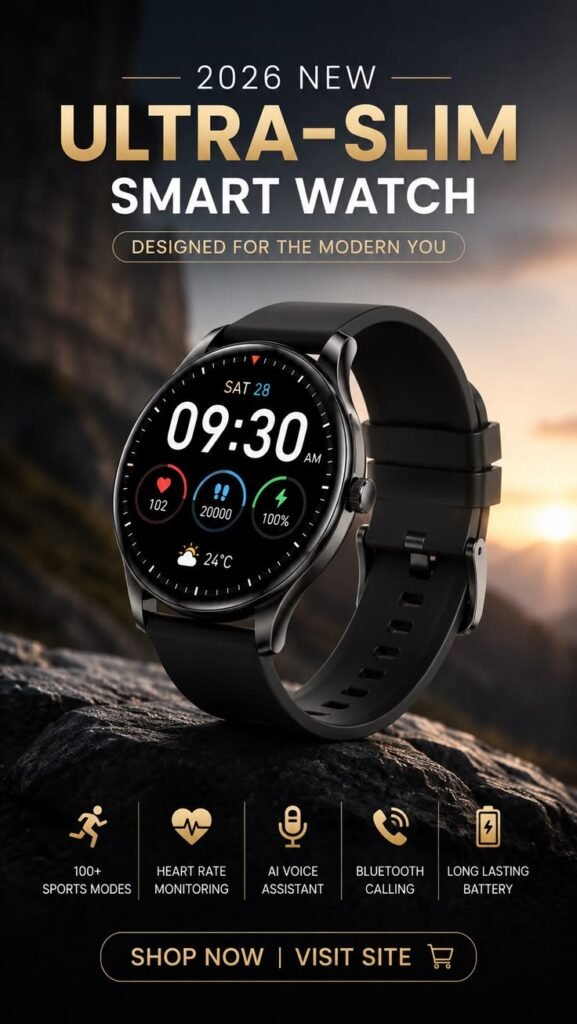
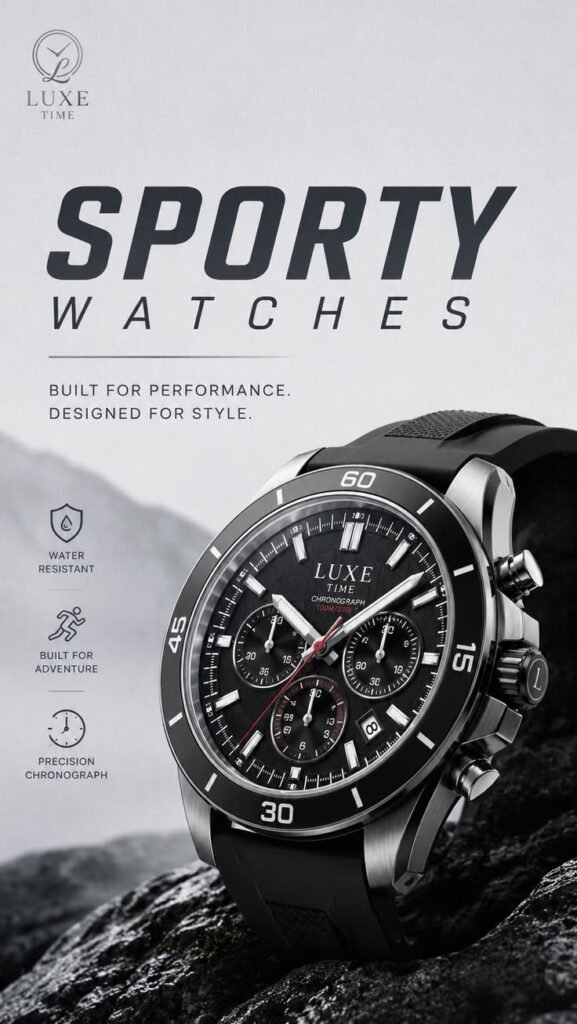
At first glance, a sports watch may look similar to a traditional wristwatch, but it’s built with a completely different purpose in mind.
A classic watch is primarily designed to tell time and complement your outfit. A sports watch is designed to handle movement, sweat, weather, and everyday activity while giving you useful information about your health and performance.
Modern sports watches often include features such as GPS tracking, heart rate monitoring, activity tracking, sleep analysis, workout modes, and water resistance. These tools help you understand how your body performs during exercise instead of simply recording the time.
Another important difference is durability. Sports watches are usually made with reinforced materials that resist scratches, impacts, and moisture better than many fashion watches. Silicone or fluoroelastomer straps are designed to stay comfortable during long workouts, while lightweight cases reduce wrist fatigue.
That doesn’t mean sports watches are only for athletes. Many people choose them because they combine practicality with everyday convenience. If you enjoy walking, cycling, hiking, or simply want reminders to stay active during work, a sports watch can become useful long before you start serious training.
The key is choosing one that matches your daily routine instead of paying for features you’ll never use.
Don’t Buy a Sports Watch Until You Know Your Goal
One of the biggest buying mistakes happens before people even compare watches.
They start shopping without deciding what they actually need.
Someone preparing for a marathon needs very different features than someone who mainly goes to the gym a few evenings each week. Likewise, a traveler who hikes regularly will have different priorities than an office worker looking for a stylish everyday fitness companion.
If your main activity is walking or general fitness, you probably don’t need expensive navigation tools or advanced performance metrics. Reliable step counting, heart rate tracking, sleep monitoring, and good battery life will cover most of your needs.
Runners often benefit from accurate GPS, pace tracking, distance measurements, and training history. These features make it easier to monitor improvement over time without carrying a phone.
Cyclists may appreciate route tracking, speed data, and compatibility with external sensors, while swimmers should prioritize strong water resistance and dedicated swimming modes that can recognize laps automatically.
For hikers and outdoor enthusiasts, battery life becomes much more important than having dozens of workout modes. Long adventures often require GPS that can operate for many hours without constantly searching for a charger.
Thinking about your lifestyle before looking at product pages makes choosing the right watch much easier. Instead of asking, “Which sports watch is the best?” ask yourself, “Which sports watch solves my everyday needs?”
Features That Actually Matter
Manufacturers love advertising long specification lists, but many buyers end up paying for tools they rarely use. Focusing on a few genuinely useful features usually leads to a better purchase than chasing the highest number of functions.
GPS That Matches Your Activities
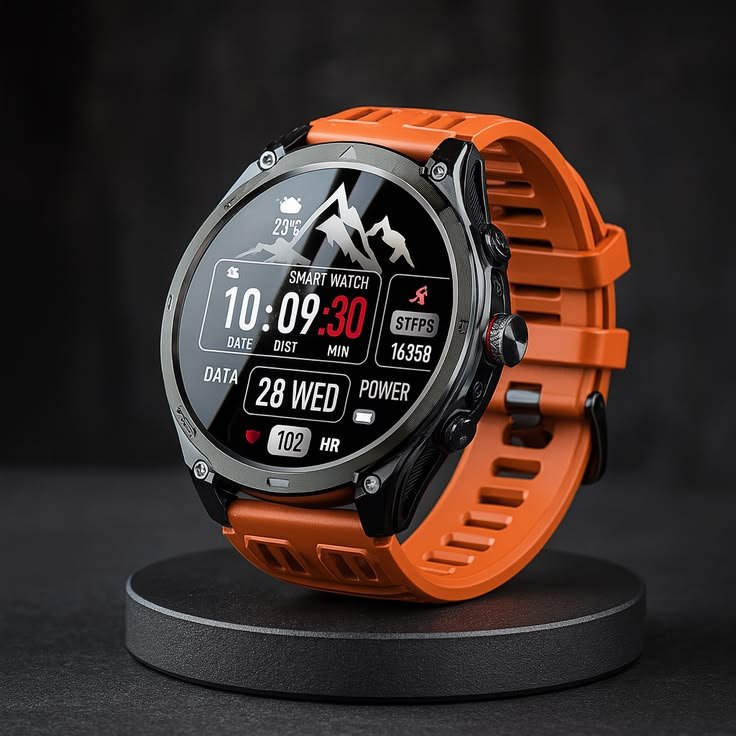
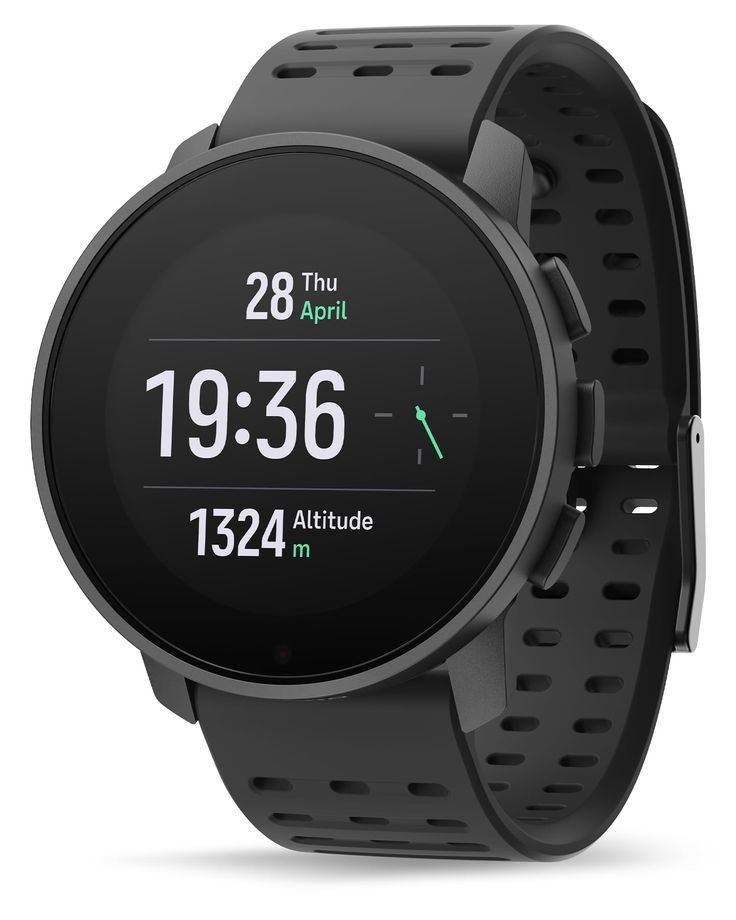
GPS is one of the most valuable features for people who spend time outdoors. It records distance, pace, routes, and workout locations without relying entirely on your phone.
If you run, cycle, or hike regularly, built-in GPS can provide much more accurate tracking than estimating distance through step counting alone.
However, if your workouts mostly happen indoors or you mainly use treadmills and gym equipment, paying extra for premium navigation features may not offer much additional value.
Reliable Heart Rate Monitoring
Heart rate data helps you understand how hard your body is working during exercise. Instead of guessing whether you’re training too lightly or pushing beyond your limits, you can adjust your effort based on real information.
For everyday users, consistent accuracy is usually more important than advanced medical-style measurements. A reliable sensor that tracks daily activity, walking, running, and general workouts will often be more useful than complex features you’ll never open.
Battery Life That Fits Your Routine
Battery life is often overlooked until it becomes frustrating.
If your watch needs charging every evening, there’s a good chance you’ll eventually forget—and discover it’s dead just before an important workout.
People who travel frequently, spend weekends outdoors, or dislike charging multiple devices should prioritize longer battery life over flashy display animations or unnecessary features.
Choosing a watch that comfortably fits your routine usually creates a much better ownership experience.
Water Resistance Isn’t the Same for Every Watch
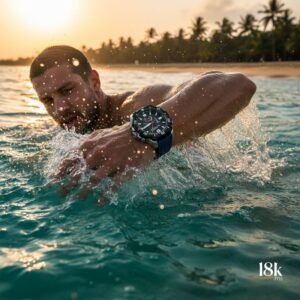
Many buyers assume every sports watch can safely handle swimming, but water resistance ratings vary significantly.
Some watches are designed only to survive rain or hand washing, while others are built specifically for swimming, open-water activities, or more demanding environments.
Understanding the manufacturer’s recommended water resistance before purchasing helps avoid accidental damage and unnecessary repair costs.
Comfort Matters More Than Most People Realize
A sports watch only becomes useful if you actually enjoy wearing it.
Heavy watches may feel uncomfortable during long workouts, while oversized cases can become distracting during daily activities.
A comfortable strap, balanced weight, and appropriate case size often have a bigger impact on long-term satisfaction than having another ten workout modes you’ll never use.
Whenever possible, think about how the watch will feel after wearing it for eight or ten hours rather than how impressive it looks in product photos.
The Biggest Buying Mistakes
One of the most common mistakes is buying based entirely on advertising.
Seeing professional athletes wear a premium sports watch doesn’t automatically mean that model is the right choice for your lifestyle. Elite athletes often have very different training requirements than recreational users.
Another mistake is paying for features simply because they sound impressive.
Advanced mapping, professional endurance metrics, and dozens of specialized workout modes may look exciting during research, but many people never use them after the first week.
Ignoring compatibility can also create frustration. Before buying, make sure the watch works smoothly with your smartphone and the health apps you already use.
Comfort is another area people underestimate. A watch that feels bulky or constantly catches on clothing often ends up sitting on a shelf regardless of how advanced its technology may be.
Finally, avoid suspiciously cheap products from unknown sellers. Extremely low prices sometimes indicate poor build quality, unreliable software, or counterfeit products that won’t receive updates or warranty support.
Buying carefully once is usually much better than replacing a disappointing purchase a few months later.
Even the best sports watch can look out of place if it’s styled incorrectly. Learn the watch mistakes that ruin your overall look and how to avoid them.
How Much Should You Spend?
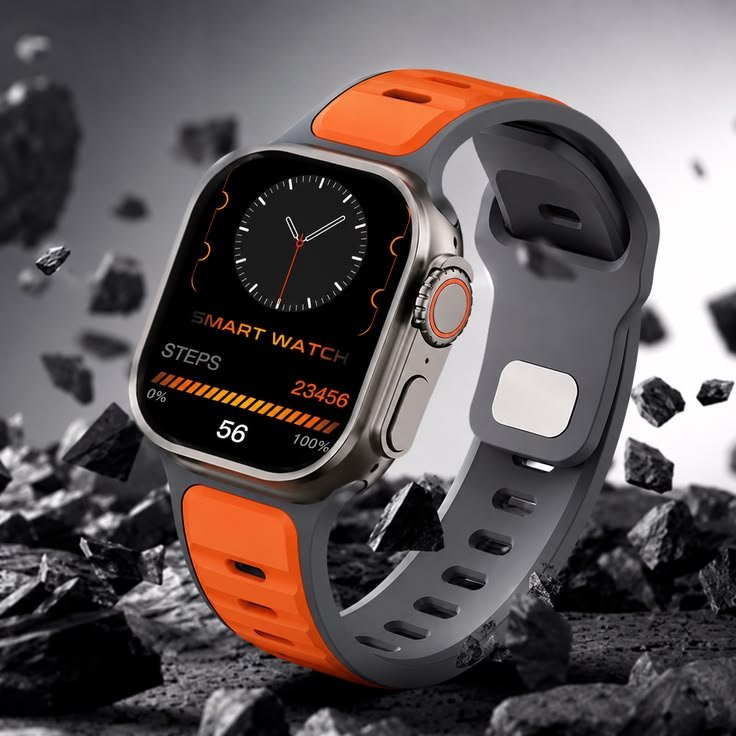
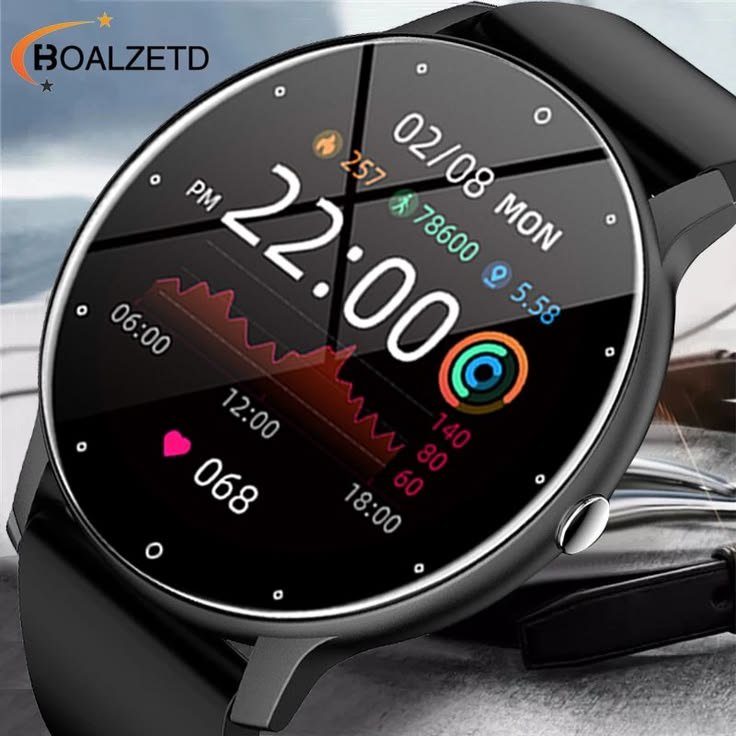
There isn’t a single price that’s right for everyone.
If you’re just beginning your fitness journey, an affordable sports watch that accurately tracks steps, heart rate, and basic workouts may be all you need. Spending more won’t automatically improve your motivation or results.
Mid-range models often provide the best overall value. They combine dependable fitness tracking, GPS, better displays, stronger battery life, and improved durability without reaching premium prices.
High-end sports watches are usually worth considering only if you’ll genuinely use their advanced navigation, endurance tracking, detailed recovery analysis, or outdoor adventure features on a regular basis.
Instead of asking how much other people spend, consider how often you’ll wear the watch. A model that supports your lifestyle every day usually delivers better value than an expensive device packed with functions you rarely touch.
Signs You’ve Found the Right Sports Watch
The right sports watch doesn’t constantly remind you that you’re wearing it.
It feels comfortable during long days, tracks the activities you actually enjoy, provides information that’s easy to understand, and offers battery life that fits naturally into your routine.
Its design should work both during workouts and everyday life, allowing you to move from the office to the gym or from weekend travel to casual dinners without feeling out of place.
Most importantly, it should encourage healthier habits rather than becoming another complicated gadget that spends more time charging than helping you stay active.
If you’re trying to simplify your wardrobe, our capsule accessories guide shows how to build a timeless collection that works with almost every outfit.
Buy for Your Lifestyle—Not the Marketing
It’s easy to become distracted by impressive specifications, celebrity endorsements, and endless feature comparisons. But the best sports watch isn’t defined by how many functions it offers—it’s defined by how well it supports the way you actually live.
Before making your purchase, think about the activities you enjoy most, the features you’ll realistically use, and the comfort you’ll appreciate every single day. A thoughtfully chosen sports watch can become a reliable companion for years, helping you stay active, monitor your progress, and make healthier choices without adding unnecessary complexity to your routine.
Smart shopping isn’t about buying the most expensive watch. It’s about buying the right one.
Frequently Asked Questions
Is a sports watch worth buying if I’m not an athlete?
Absolutely. Sports watches aren’t just designed for professional athletes. They’re useful for anyone who wants to stay active, monitor daily steps, track heart rate, improve sleep habits, or simply become more aware of their overall fitness. Even if your main activities are walking, cycling, or going to the gym a few times a week, a sports watch can help you build healthier routines.
What’s the difference between a sports watch and a smartwatch?
A sports watch is built primarily for fitness, outdoor activities, and durability, while a smartwatch focuses more on everyday convenience such as calls, messages, apps, and notifications. Many modern devices combine both features, but if your main priority is exercise, battery life, and accurate activity tracking, a sports watch is often the better choice.
Do I really need GPS on a sports watch?
It depends on how you plan to use it. If you enjoy running, hiking, cycling, or walking outdoors, built-in GPS helps track distance, pace, and routes accurately without relying on your phone. However, if you mainly exercise indoors or only want basic fitness tracking, GPS may not be essential.
How much should I spend on a sports watch?
The best sports watch isn’t always the most expensive one. Beginners can find excellent options at affordable prices, while regular runners or outdoor enthusiasts may benefit from mid-range models with better GPS accuracy and longer battery life. Focus on buying features you’ll actually use instead of paying for technology that doesn’t match your lifestyle.
Can I wear a sports watch every day?
Yes. Most modern sports watches are designed to be comfortable enough for everyday wear. Lightweight materials, durable straps, and simple designs allow many models to work just as well at the office, while traveling, or during casual outings as they do during workouts.
How long should a good sports watch last?
A quality sports watch can easily last several years with proper care. Keeping it clean, avoiding unnecessary impacts, updating its software, and charging the battery correctly will help extend its lifespan. Choosing a well-built model from a trusted brand also improves long-term reliability.
Are expensive sports watches more accurate?
Higher-priced models often include better GPS systems, improved sensors, and more advanced training features, but they aren’t always necessary for everyone. For general fitness, walking, gym workouts, and everyday health tracking, many mid-range sports watches provide more than enough accuracy.
What features should beginners look for?
If you’re buying your first sports watch, focus on features that you’ll use regularly, including:
- Accurate heart rate monitoring
- Comfortable design
- Good battery life
- Water resistance
- Activity tracking
- Easy-to-read display
- Simple companion app
These essentials are usually more valuable than dozens of advanced training features you’ll rarely use.
Can a sports watch help improve fitness?
A sports watch won’t improve your fitness by itself, but it can help you stay consistent. Tracking workouts, monitoring daily activity, setting goals, and reviewing your progress often makes it easier to stay motivated and build healthier habits over time.
Should I buy a sports watch online or in-store?
Both options have advantages. Buying online usually offers more choices and competitive prices, while purchasing in-store lets you try different sizes, compare comfort, and see the display before making a decision. If you’re unsure about fit, visiting a store first can be helpful, even if you decide to buy online later.