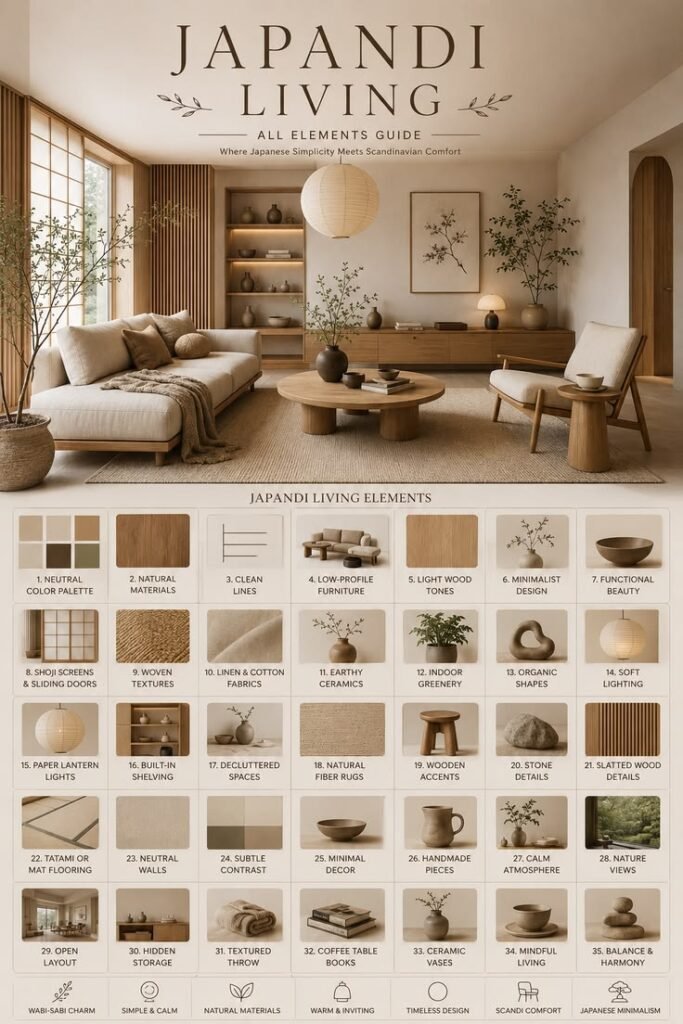
Uncover why Japandi home decor is one of the biggest interior design trends of 2026. Learn how to combine Japanese simplicity with modern comfort using natural materials, calming colors, minimalist furniture, and timeless decorating ideas for every room.
A Home Should Feel Peaceful—Not Just Beautiful
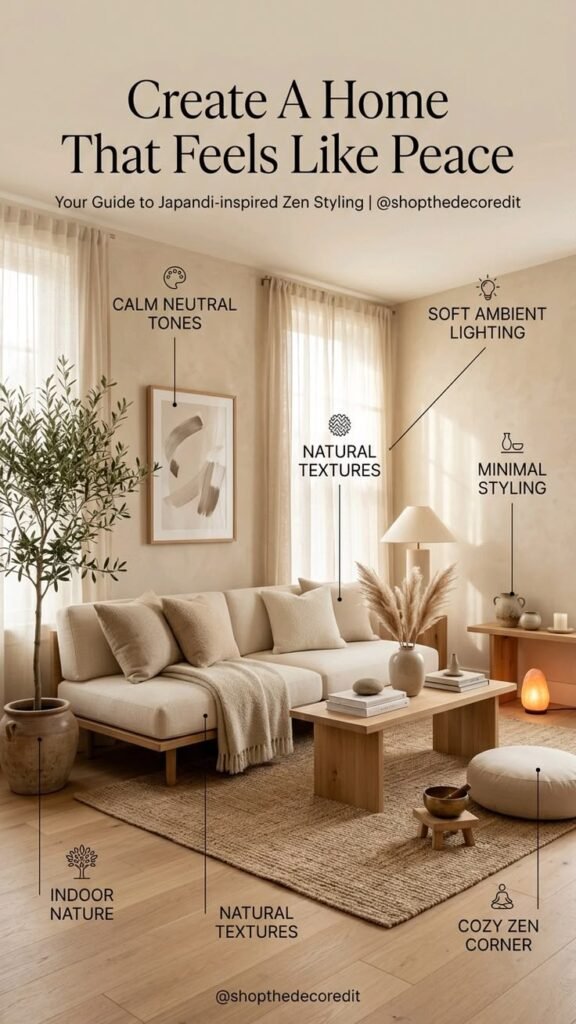
Walk into a beautifully decorated home, and you’ll notice something almost immediately.
Some spaces feel busy. Every shelf is filled, every wall has decorations, and every corner competes for your attention. Others feel completely different. The room is simple, quiet, and comfortable without looking empty. You naturally want to slow down, sit for a while, and enjoy the space.
That’s the feeling more people are searching for in 2026.
After years of fast-changing decorating trends and social media-inspired shopping, many homeowners are moving away from clutter and choosing interiors that feel calm, functional, and timeless. Instead of buying more decorations every season, they’re focusing on thoughtful furniture, natural materials, and pieces they’ll enjoy for years.
This shift has helped one design style become incredibly popular: Japandi.
Rather than filling a room with expensive décor, Japandi creates warmth through simplicity. Every piece has a purpose, every material feels natural, and every room encourages you to slow down and appreciate your surroundings.
The best part is that you don’t need to renovate your entire home to achieve this look. A few intentional changes can completely transform the atmosphere of your living space.
Let’s explore why Japandi has become one of the most talked-about home design trends of 2026—and how you can bring it into your own home.
What Is Japandi Style?
At first glance, Japandi may look like simple minimalism, but there’s much more behind it.
The name combines Japanese and Scandinavian, bringing together two design philosophies that share many of the same values.
Japanese interiors emphasize simplicity, balance, craftsmanship, and living with only what adds value. Scandinavian design focuses on comfort, functionality, natural light, and creating homes that feel warm and inviting.
When these ideas come together, the result is a home that feels peaceful rather than plain.
Instead of decorating every surface, Japandi encourages choosing fewer pieces that serve a purpose. Furniture is carefully selected for both beauty and function. Empty space isn’t considered unfinished—it’s part of the overall design.
This approach also reflects a growing appreciation for slower living. Rather than constantly replacing furniture to follow new trends, people invest in timeless pieces made from quality materials that continue looking beautiful year after year.
Japandi isn’t about making your home look like a showroom.
It’s about creating an environment that supports everyday life while helping you feel more relaxed the moment you walk through the door.
Why Everyone Is Talking About Japandi in 2026
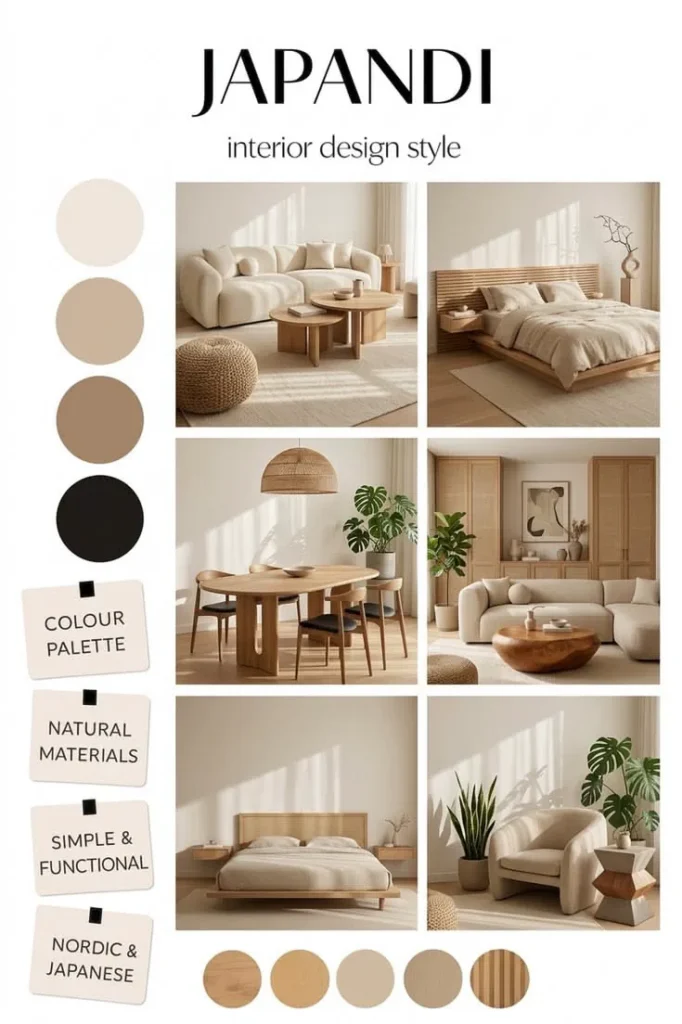
Interior design trends often change quickly, but Japandi has continued growing because it solves problems many homeowners experience every day.
One reason is that modern homes often feel visually overwhelming. Open shelving filled with decorations, colorful furniture, and constant online shopping can gradually make rooms feel crowded without us realizing it.
Japandi offers the opposite experience.
Instead of adding more, it encourages removing anything that doesn’t contribute to comfort or functionality.
Another reason for its popularity is practicality.
Many people now work from home, spend more time indoors, and want their surroundings to feel calm rather than distracting. A thoughtfully designed room can improve concentration, reduce visual stress, and create a more relaxing environment after a busy day.
Natural materials have also become increasingly important.
Wood, linen, cotton, bamboo, stone, and handmade ceramics bring texture into a room without making it feel cluttered. These materials age beautifully, making the home feel more welcoming instead of overly polished.
Social media has also played a role.
Beautiful Japandi interiors appear regularly across Pinterest, Instagram, and interior design magazines because they photograph well while remaining practical enough for everyday living. Unlike many short-lived decorating trends, Japandi doesn’t rely on bold colors or novelty pieces that quickly go out of fashion.
Perhaps the biggest reason people love Japandi is how it makes them feel.
Rather than impressing guests with expensive decorations, it creates a home that’s comfortable to live in every single day.
The Core Principles That Define Japandi Design
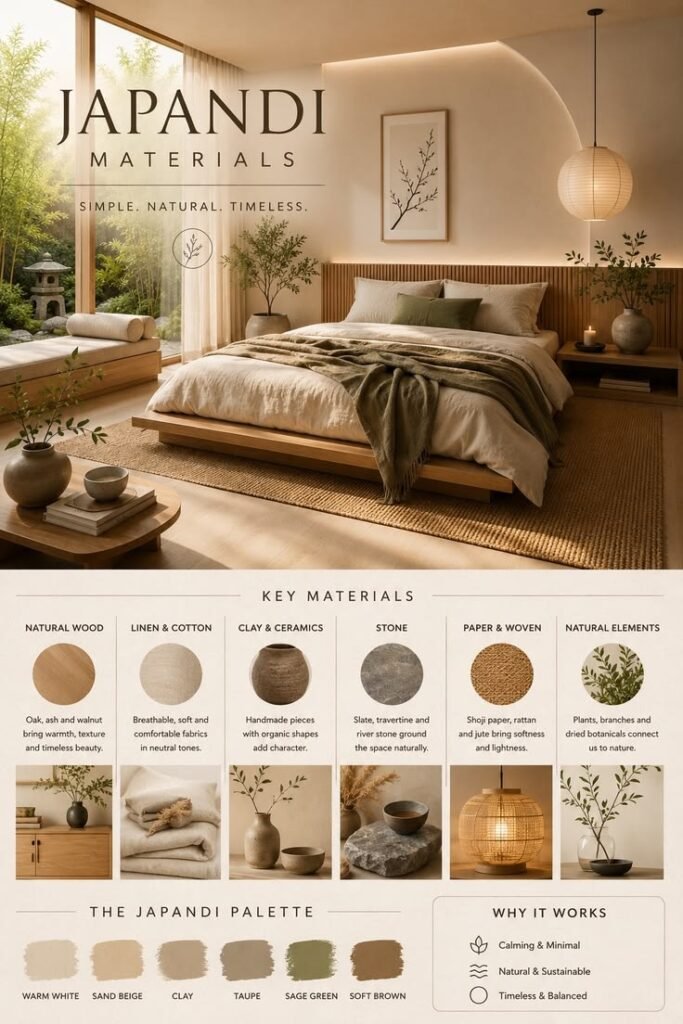
Before buying new furniture or redecorating an entire room, it’s helpful to understand the principles that make Japandi feel so different.
These ideas matter far more than purchasing specific products.
1. Less Clutter Creates More Calm
One of the biggest misunderstandings about minimalism is believing it means owning almost nothing.
Japandi doesn’t encourage empty rooms. Instead, it encourages thoughtful rooms.
Every item should have a purpose, whether it’s practical, meaningful, or simply beautiful enough to deserve its place.
Removing unnecessary decorations allows the pieces you truly love to stand out instead of getting lost among dozens of smaller objects.
A simple wooden coffee table with one ceramic vase often creates a stronger visual impact than a table covered with multiple decorative items.
2. Natural Materials Make a Home Feel Warmer
Wood is one of the defining features of Japandi interiors.
Light oak, walnut, ash, and bamboo introduce warmth without overwhelming a room.
Instead of glossy finishes, Japandi favors textures you can actually see and feel. Linen curtains move gently with natural light, woven baskets provide storage, handmade pottery adds character, and cotton fabrics make seating areas feel more inviting.
These materials also age gracefully.
Small imperfections often become part of their charm rather than something to hide.
3. Neutral Colors Never Feel Boring
Many people assume neutral colors make a room feel lifeless.
In reality, the opposite is often true.
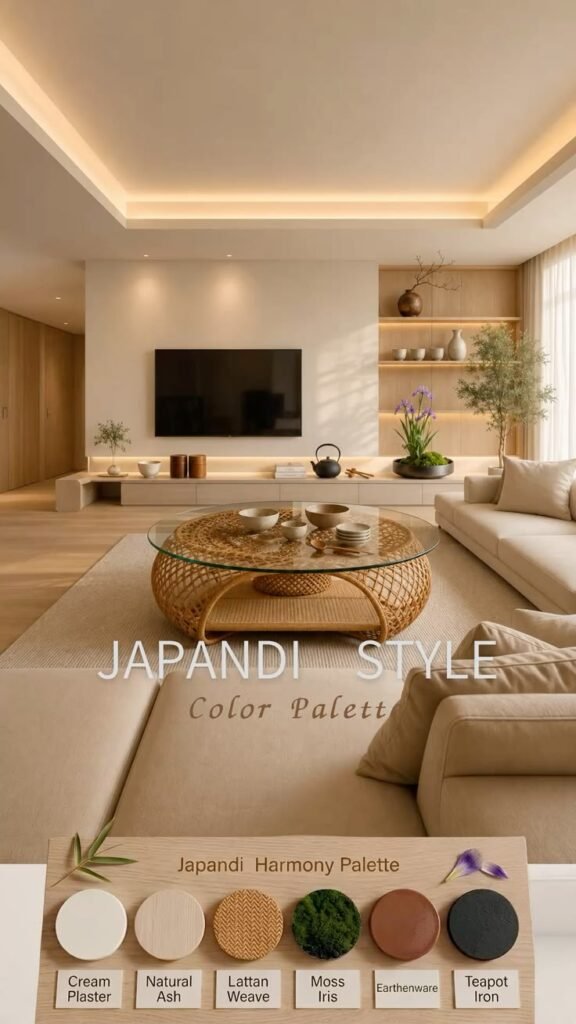
Soft whites, warm beige, stone gray, sand, taupe, and muted earth tones create a calm background that allows furniture and natural textures to become the focus.
Rather than introducing excitement through bright colors, Japandi creates interest through layers of texture.
A cream sofa, oak coffee table, linen cushions, woven rug, and ceramic lamp may all belong to similar color families, yet the room feels rich because every material reflects light differently.
The result is a space that feels balanced instead of busy.
4. Quality Matters More Than Quantity
One beautifully crafted chair often contributes more to a room than several cheaper alternatives.
Japandi encourages buying less but choosing better.
Instead of replacing furniture every few years because it’s no longer fashionable, people invest in timeless designs that continue working with changing styles.
This approach usually saves money over time because quality furniture lasts longer and rarely feels outdated.
It also reduces unnecessary waste by encouraging thoughtful purchasing rather than impulse shopping.
5. Every Object Should Have a Purpose
One of the easiest ways to recognize Japandi interiors is that almost everything serves a function.
A woven basket stores blankets.
A wooden bench provides seating while displaying a simple ceramic vase.
Open shelving holds books you actually read rather than random decorative objects.
Nothing feels excessive.
This doesn’t mean your home has to become completely minimalist.
It simply encourages asking one question before adding something new:
“Will this improve how I live, or is it simply filling empty space?”
Bring Japandi Into Your Living Room
The living room is often the easiest place to begin because it’s where people spend the most time.
Start by looking at the room as a whole rather than focusing on individual decorations.
Is every surface covered?
Are there decorative items you barely notice anymore?
Would the room actually feel better with fewer objects instead of more?
Begin by removing anything that feels unnecessary. You don’t have to throw items away—simply clearing a shelf or coffee table can instantly make the space feel lighter.
Next, introduce natural textures.
A wooden coffee table, linen cushion covers, a woven storage basket, or a soft neutral rug can completely change the atmosphere without requiring a full redesign.
Lighting also plays an important role.
Instead of relying only on bright ceiling lights, add warm table lamps or floor lamps that create softer illumination during the evening. This instantly makes the room feel more comfortable and inviting.
Finally, include a small connection to nature.A simple indoor plant, a branch displayed in a ceramic vase, or fresh greenery can bring life into the room without disrupting the clean aesthetic.
The goal isn’t to copy a photograph from Pinterest.
It’s to create a living room that feels calm, functional, and enjoyable to spend time in every day.
Create a Calm and Comfortable Japandi Bedroom
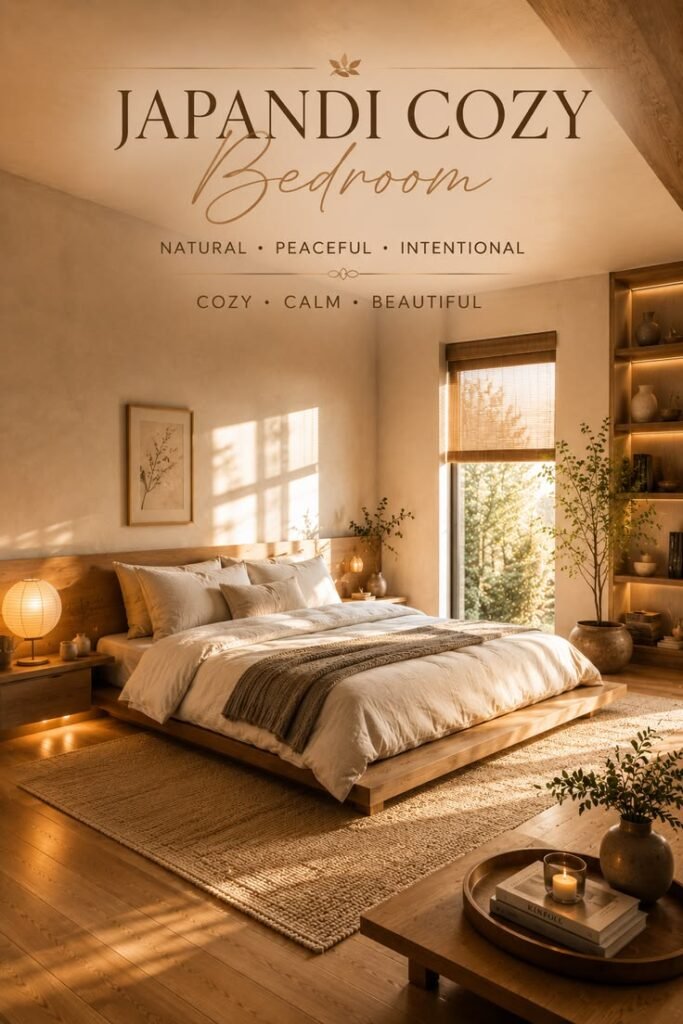
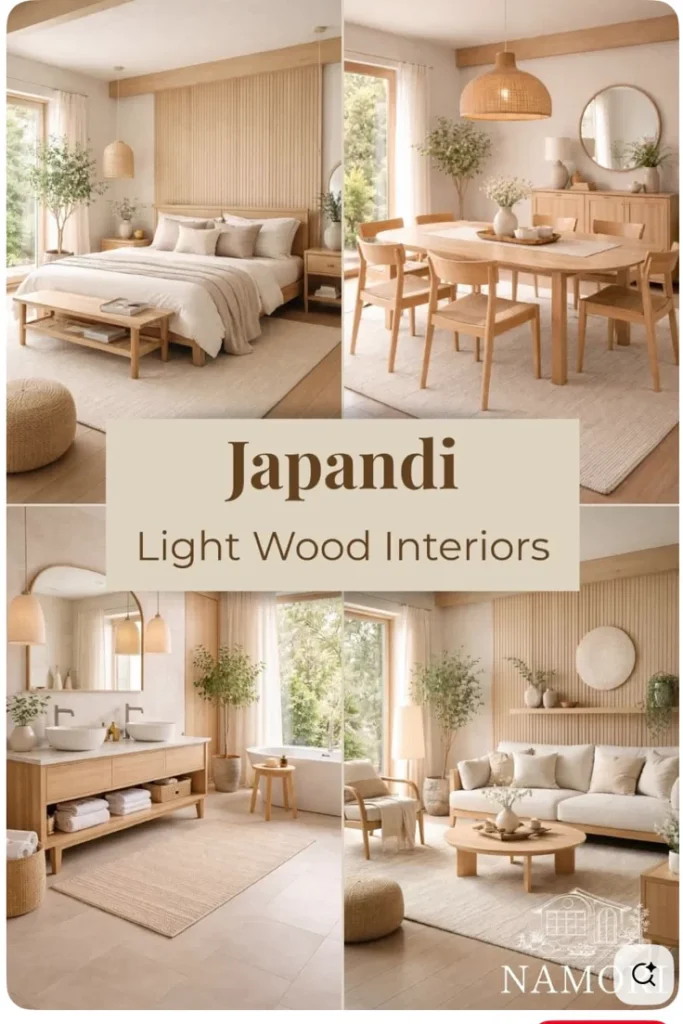
Your bedroom should be the easiest place to relax, but it’s often where clutter quietly builds up. Clothes on chairs, busy patterns, bright colors, and too many decorative items can make it difficult to switch off at the end of the day.
Japandi design approaches the bedroom differently. Instead of adding more furniture, it focuses on removing distractions and creating a peaceful environment.
Start with the bed, since it’s naturally the focal point of the room. Choose simple bedding in soft neutral shades such as white, beige, oatmeal, light gray, or muted earth tones. Layer different natural fabrics like cotton and linen instead of relying on bold colors to make the room feel inviting.
Bedside tables don’t need to be filled with decorations. A ceramic lamp, one favorite book, and a small plant are often enough. Leaving empty space around these objects makes the room feel cleaner and more intentional.
Storage also plays a huge role. Woven baskets, wooden drawers, or under-bed storage help keep everyday items out of sight while maintaining the minimalist look.
Natural light should be welcomed whenever possible. During the day, lightweight linen curtains soften sunlight without making the room feel dark. At night, warm lighting creates a relaxing atmosphere that’s much gentler than bright white ceiling lights.
The goal isn’t to design a luxury hotel room. It’s to create a bedroom that helps you slow down and sleep better.
If you’re struggling with cluttered spaces, our 10 Small Room Mistakes That Make Your Space Look Smaller guide explains simple changes that instantly improve any room.
Design a Dining Space That Encourages Conversation
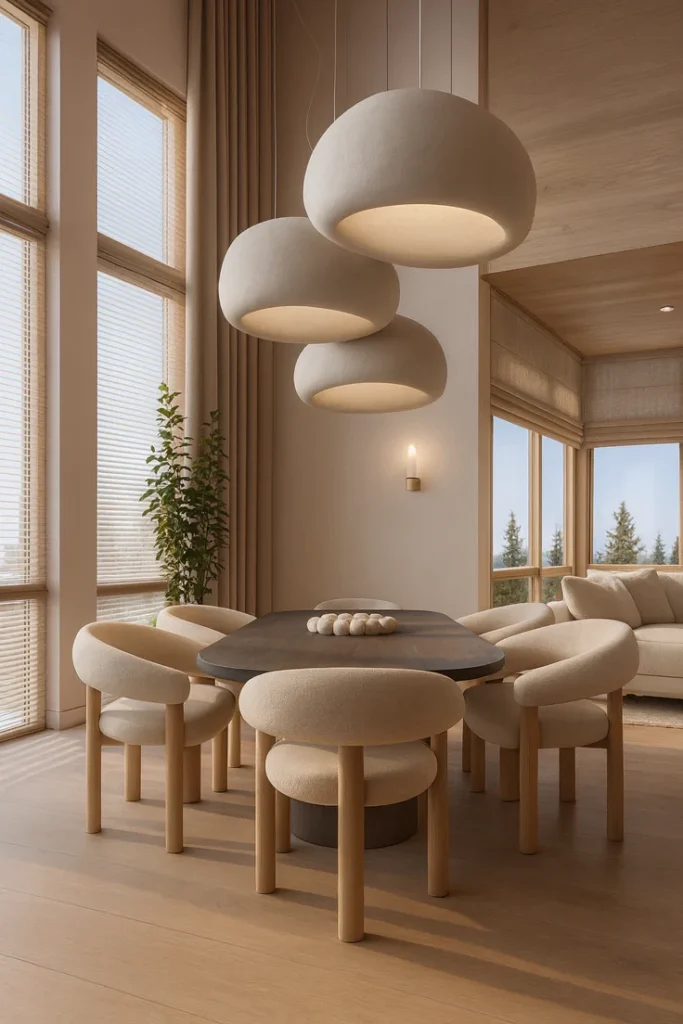
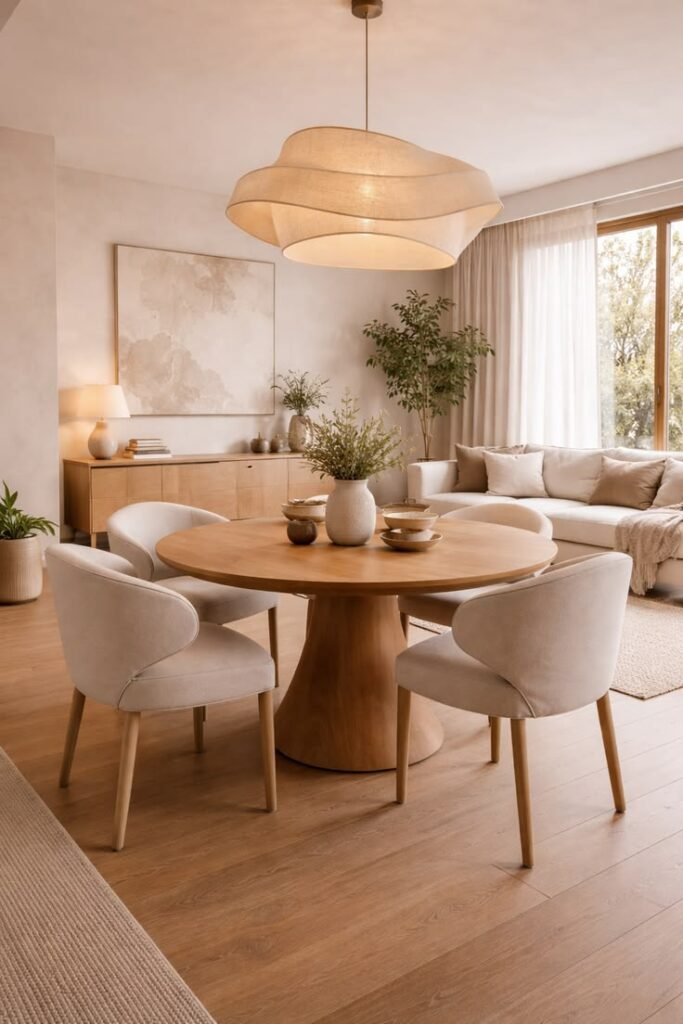
In many homes, the dining area becomes a place where random items collect throughout the week. Mail, shopping bags, laptops, and chargers often replace what the space was meant for.
Japandi brings the focus back to shared meals and simple living.
A wooden dining table becomes the centerpiece—not because it’s expensive, but because its natural texture creates warmth. Pair it with comfortable chairs that have clean lines and practical designs.
Instead of filling the table with seasonal decorations, keep it simple. A handmade ceramic bowl, a linen table runner, or a vase with fresh branches creates enough visual interest without making the room feel crowded.
Lighting is equally important.
A single pendant light above the table creates a welcoming atmosphere while helping define the dining space. Warm lighting encourages people to sit longer, enjoy meals, and spend time together.
Rather than decorating every corner, allow empty space to become part of the design. A room that can breathe often feels far more inviting than one filled with unnecessary objects.
Turn Your Home Office Into a Space You Actually Want to Use
Working from home has become part of everyday life for many people, yet home offices are often the most cluttered rooms in the house.
Stacks of paperwork, tangled cables, and random desk accessories create constant visual distractions that make concentrating more difficult.
Japandi solves this problem by simplifying the workspace.
Choose a desk with clean lines and enough surface area for only the items you regularly use. A notebook, laptop, desk lamp, and one small plant are usually all that’s needed.
Cable management makes a surprisingly big difference. Hiding charging cables instantly creates a cleaner appearance without buying any new furniture.
Storage should also remain simple. Instead of open shelves filled with miscellaneous items, use baskets, wooden organizers, or closed cabinets to reduce visual clutter.
If possible, position your desk near a window. Natural daylight not only improves the appearance of the room but can also make long working hours feel more comfortable.
A workspace doesn’t need to be filled with expensive gadgets to feel productive. Often, removing unnecessary distractions is the biggest improvement you can make.
What Most People Get Wrong About This Trend That Stop a Home From Feeling Japandi
Many people love the look of Japandi online but struggle to recreate it at home because of a few common decorating mistakes.
The first mistake is buying everything at once.
Some homeowners replace furniture, decorations, rugs, and lighting in a single shopping trip. Unfortunately, this often results in rooms that feel staged rather than naturally lived in.
Japandi develops gradually. Each purchase should have a purpose instead of simply matching a trend.
Another common mistake is confusing minimalism with emptiness.
Removing everything from a room doesn’t automatically create warmth. Japandi relies on texture, natural materials, and thoughtful furniture to make simple spaces feel comfortable instead of cold.
Color is another area where people often go wrong.
Bright accent colors aren’t forbidden, but too many bold shades compete with the calm atmosphere Japandi aims to create. Neutral tones usually allow natural materials to become the highlight of the room.
Poor lighting also changes the mood completely.
A single bright ceiling light can make even beautiful furniture feel flat. Layering floor lamps, table lamps, and soft warm lighting creates depth and comfort throughout the evening.
Finally, avoid chasing every decorating trend you see online.
One reason Japandi has remained popular is because it values timeless design over seasonal fashion. Choose pieces you’ll still appreciate years from now rather than buying something simply because it’s currently trending.
Affordable Ways to Create the Japandi Look
One of the biggest myths about Japandi is that it’s expensive.
In reality, the opposite is often true.
Because you’re buying fewer items, your budget can focus on better quality instead of greater quantity.
You don’t need to replace every piece of furniture overnight.
Start with one room.
Replace plastic storage boxes with woven baskets.
Swap colorful cushion covers for linen ones.
Choose wooden picture frames instead of glossy plastic.
Add one ceramic vase rather than several decorative ornaments.
Even changing your lighting to warmer bulbs can make a noticeable difference.
Houseplants are another affordable improvement. A single healthy plant introduces life, texture, and color without overwhelming the room.
The beauty of Japandi isn’t found in expensive shopping lists.
It’s found in thoughtful decisions that make your home feel calmer over time.
Looking for more budget-friendly inspiration? Explore our Modern Home Decor Trends 2026 for stylish ideas that don’t require a complete renovation.
A Home That Feels Better Every Day
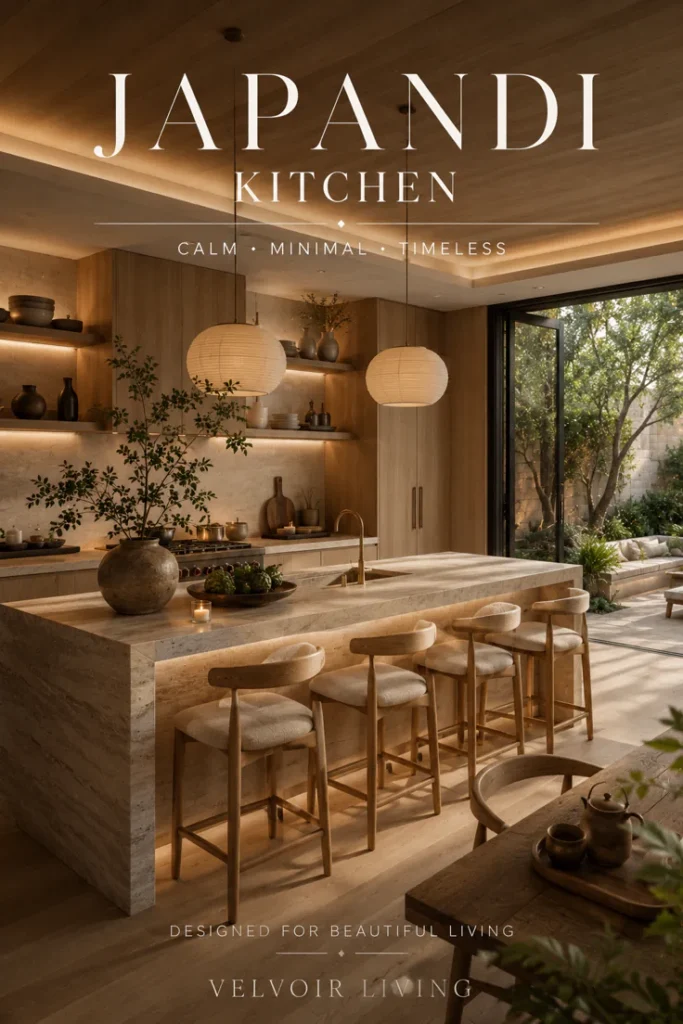
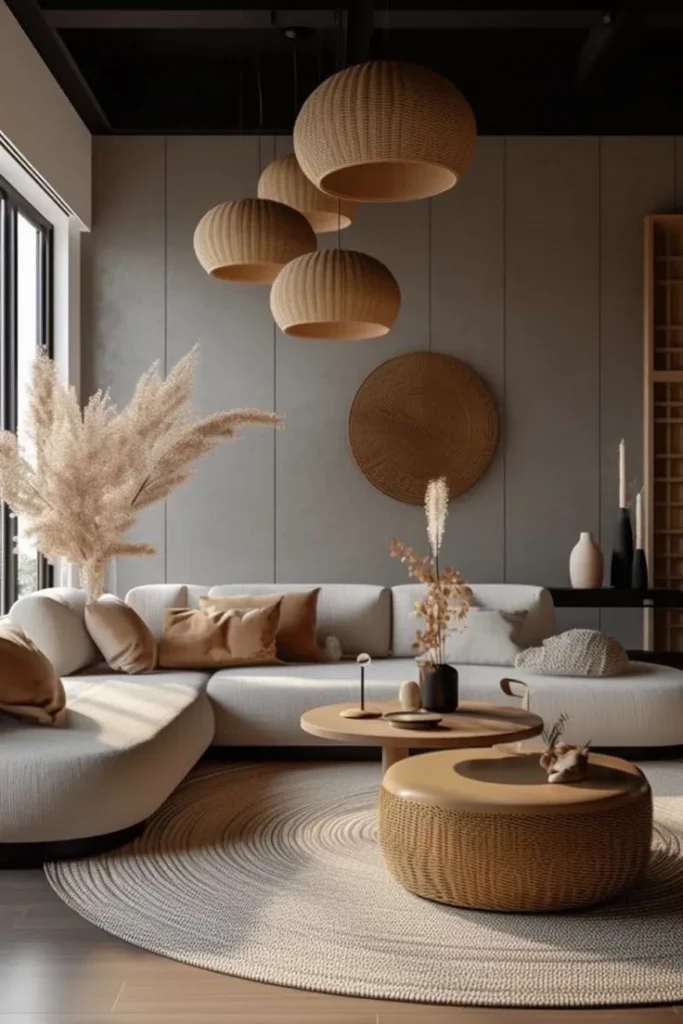
The popularity of Japandi isn’t really about furniture.
It’s about how people want their homes to make them feel.
Instead of creating spaces that impress visitors for a few minutes, Japandi encourages building rooms you’ll genuinely enjoy living in every single day.
You don’t need to copy every trend or replace your entire home to achieve this style.
Start small.
Clear one shelf.
Replace one unnecessary decoration with something meaningful.
Choose natural materials.
Let more light into the room.
Slowly, your home begins to feel less cluttered, more comfortable, and easier to enjoy.
The most beautiful homes aren’t always the ones with the most decorations.
They’re often the ones where every object has a purpose, every room feels balanced, and every day begins and ends in a space that brings a little more peace than the one before.
A calm workspace starts with fewer distractions. See our Minimal Desk Accessories 2026 guide for ideas that improve productivity without adding clutter.
Frequently Asked Questions
What is the difference between Japanese interior design and Japandi?
Traditional Japanese interiors focus on cultural architecture, tatami mats, sliding doors, and centuries-old design principles. Japandi combines Japanese simplicity with Scandinavian comfort, making it easier to adapt to modern homes and apartments.
Can I create a Japandi home on a budget?
Absolutely. Begin with small changes like decluttering, choosing neutral textiles, adding natural wood, woven baskets, ceramic décor, and warm lighting. You don’t need to replace everything at once.
Which colors work best in Japandi interiors?
Soft whites, beige, taupe, stone gray, warm brown, muted green, charcoal, and natural wood tones create the calm atmosphere associated with Japandi design.
Does Japandi only work in large homes?
No. In fact, Japandi works especially well in apartments and small spaces because it focuses on functionality, clean layouts, and reducing unnecessary clutter.
Which materials define Japandi style?
Natural oak, walnut, bamboo, linen, cotton, wool, stone, clay, rattan, woven baskets, and handmade ceramics are all common materials used in Japandi interiors.
Is Japandi still trending in 2026?
Yes. It remains one of the most popular interior design styles because it combines timeless design, sustainability, natural materials, and practical living rather than short-term decorating trends.
Image Note: Product images and visual references are included to help readers identify the products discussed and understand their appearance and features. Copyright in third-party product imagery remains with the respective rights holders unless otherwise stated.