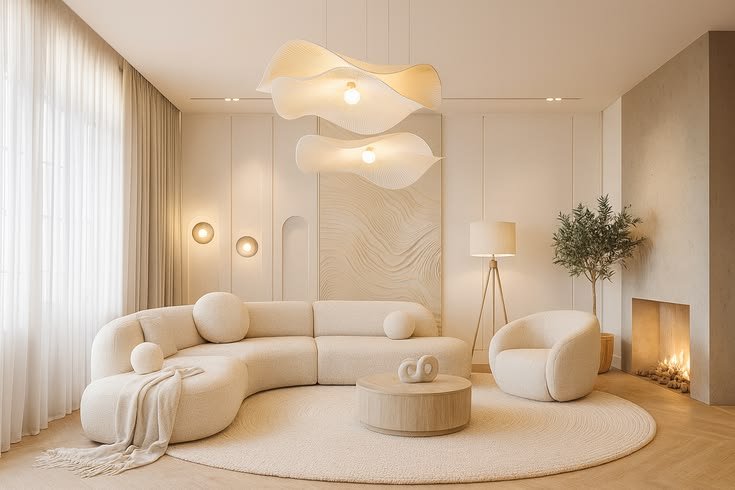
Thinking about refreshing your home without a major makeover? Discover why curved furniture is becoming one of the hottest interior design trends of 2026. Learn how curved sofas, rounded coffee tables, arched mirrors, bouclé chairs, and organic shapes instantly make any room feel warmer, softer, and more luxurious. Save these affordable decorating ideas for your next home upgrade.
Home Design Is Getting Softer—And There’s a Good Reason
Walk into a newly designed apartment, a luxury hotel, or even scroll through Pinterest for a few minutes, and you’ll probably notice something unusual.
Sharp corners are slowly disappearing.
Coffee tables have rounded edges. Sofas feature soft curves instead of straight lines. Mirrors are no longer simple rectangles, and even lamps, shelves, and decorative accessories have started adopting organic shapes.
At first glance, this might seem like just another interior design trend. But the growing popularity of curved furniture goes much deeper than appearance.
Over the last few years, people have started thinking differently about their homes. Instead of decorating spaces that simply look impressive in photographs, they’re choosing interiors that feel comfortable to live in every day. A home should feel welcoming after a long day, not cold or overly formal.
Curved furniture naturally creates that feeling.
Soft silhouettes make rooms appear calmer, encourage conversation, and often help smaller spaces feel less crowded. They introduce movement without adding clutter, allowing a room to feel modern while remaining timeless.
The best part is that you don’t need to replace every piece of furniture to embrace this trend. Even one carefully chosen curved item can completely change the atmosphere of a room.
Let’s explore why homeowners, interior designers, and renters alike are embracing curved furniture in 2026—and how you can bring this elegant trend into your own home.
Why Curved Furniture Is Everywhere in 2026
Interior design trends often come and go, but curved furniture has remained popular because it changes more than just the appearance of a room.
It changes how the room feels.
For years, modern interiors were dominated by clean lines, square furniture, and sharp geometric shapes. While these designs looked sleek, many homes gradually started feeling rigid and impersonal.
After spending more time at home in recent years, people began searching for interiors that felt warmer, calmer, and easier to relax in.
Curved furniture answered that need perfectly.
Instead of creating visual tension through straight edges and hard angles, rounded furniture introduces a sense of flow. Your eyes naturally move around the room instead of stopping at every corner.
Designers often describe this as creating “visual softness.” Even when the furniture is large, curved shapes help rooms feel more open and welcoming.
Another reason for the trend is flexibility.
Curved furniture complements many decorating styles rather than belonging to only one. Whether your home is minimalist, Scandinavian, Japandi, modern luxury, or contemporary, soft organic shapes blend naturally into the space.
Unlike highly decorative trends that quickly go out of fashion, rounded furniture has timeless appeal because its inspiration comes from nature rather than seasonal styling.
Think about the shapes we naturally find outdoors.
Pebbles.
Rolling hills.
Leaves.
Clouds.
River stones.
Very few natural forms are perfectly square.
That’s one reason curved interiors often feel peaceful without us even realizing why.
Why People Are Moving Away From Sharp Edges
This shift isn’t about deciding that square furniture is bad.
Instead, it’s about balance.
For decades, many homes were filled with rectangular sofas, square coffee tables, sharp kitchen islands, and straight-lined shelving. Individually, each piece looked attractive. Together, however, they sometimes created rooms that felt structured but slightly rigid.
Curved furniture softens that effect.
Rounded edges create smoother transitions between furniture pieces, making movement around a room feel more natural.
This is especially noticeable in smaller apartments.
A large square coffee table with pointed corners can interrupt walkways and make compact spaces feel tighter than they actually are.
A rounded coffee table occupies a similar amount of space while allowing people to move around it more comfortably.
Families with young children also appreciate this design for practical reasons.
Although curved furniture should never be considered safety equipment, fewer sharp corners often make everyday living a little more forgiving in busy households.
More importantly, curved furniture changes the emotional atmosphere of a room.
Sharp lines often communicate precision and structure.
Soft curves communicate relaxation and comfort.
That’s exactly what many homeowners are looking for today.
The Psychology Behind Curved Shapes
One reason curved furniture has become so popular is something many people never consciously notice.
Our brains naturally respond differently to curved shapes than to sharp ones.
Research in design and environmental psychology has shown that people often associate rounded forms with comfort, safety, and approachability, while sharp angles are more likely to feel formal or visually intense. That doesn’t mean straight lines are bad—they simply create a different emotional impression.
Think about where curves appear in everyday life.
The arc of a rainbow.
The shape of smooth river stones.
Clouds drifting across the sky.
The gentle curve of tree branches.
Nature rarely creates perfect rectangles, and that’s one reason organic shapes often feel calming without us realizing it.
Interior designers have quietly used this principle for years.
A curved sofa encourages conversation because people naturally face one another more comfortably.
An arched mirror breaks up long, straight walls and makes a room feel less rigid.
Even a rounded lamp or circular side table can soften an otherwise structured space.
These small details may seem insignificant individually, but together they help create rooms that feel more relaxed and inviting.
That’s why many modern luxury hotels, boutique cafés, and designer apartments have embraced curves so enthusiastically.
They’re designing spaces that people enjoy spending time in—not just photographing.
Curved Sofas vs. Traditional Sofas
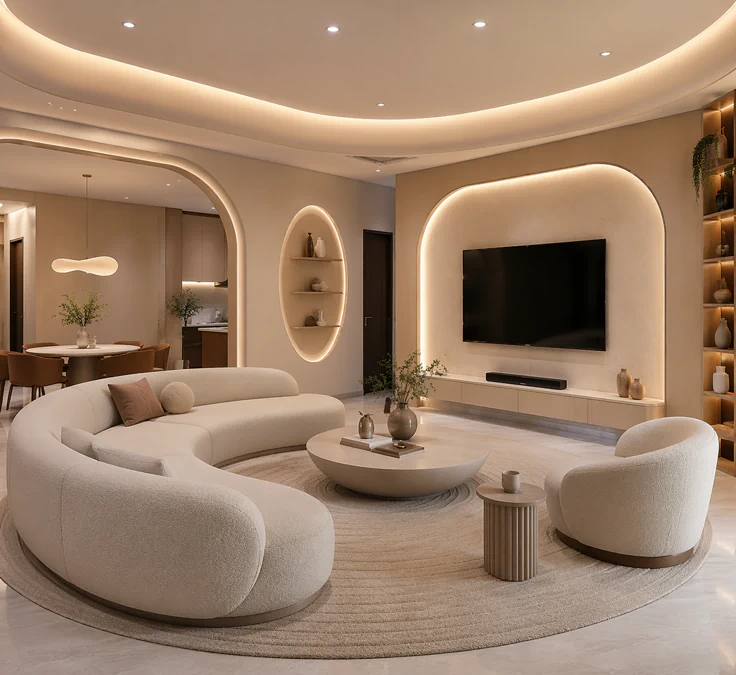
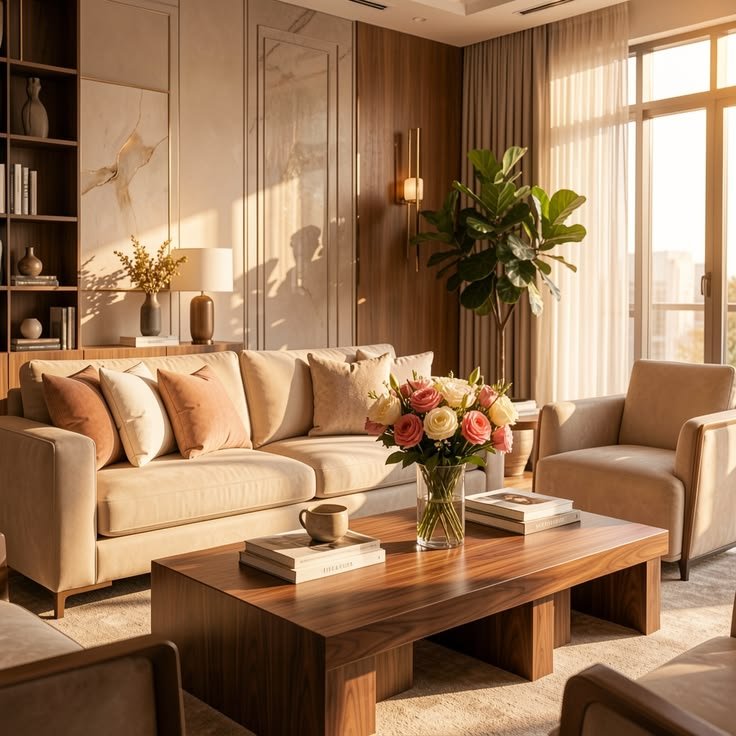
If one piece of furniture represents this trend better than anything else, it’s the curved sofa.
Traditional sofas have served homes well for decades. They’re practical, familiar, and fit neatly against walls.
Curved sofas take a different approach.
Instead of focusing entirely on straight lines, they introduce gentle curves that naturally become the centerpiece of a living room.
The difference isn’t only visual.
A curved sofa often makes conversations feel more comfortable because seating angles naturally encourage people to face one another. This creates a more welcoming environment when family or friends gather together.
Curved designs also help large living rooms feel less boxy.
Rather than dividing the room into strict rectangles, they introduce movement that makes the space feel more fluid.
That said, curved sofas aren’t the perfect choice for every home.
Smaller apartments may benefit from compact curved designs rather than oversized statement pieces.
Before buying one, consider your floor plan carefully.
Measure the available space.
Think about how people move through the room.
Leave enough walking space around the sofa so the room still feels open.
Another important consideration is fabric.
Neutral linen, textured woven fabrics, and bouclé upholstery tend to suit curved furniture particularly well because they reinforce the soft appearance of the design.
Bright patterns or heavy prints can sometimes distract from the elegant shape that makes curved sofas so appealing in the first place.
Rounded Coffee Tables: A Small Change That Makes a Big Difference
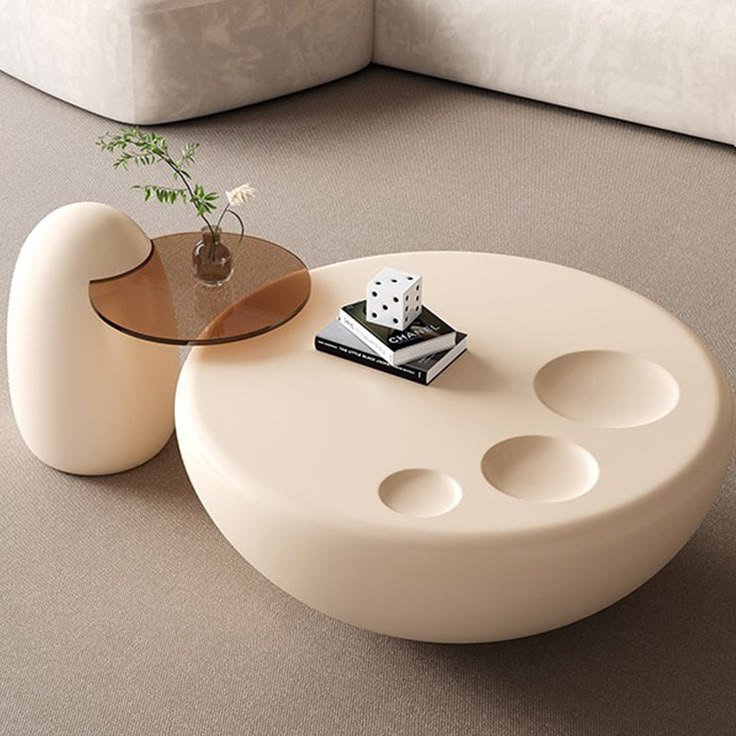
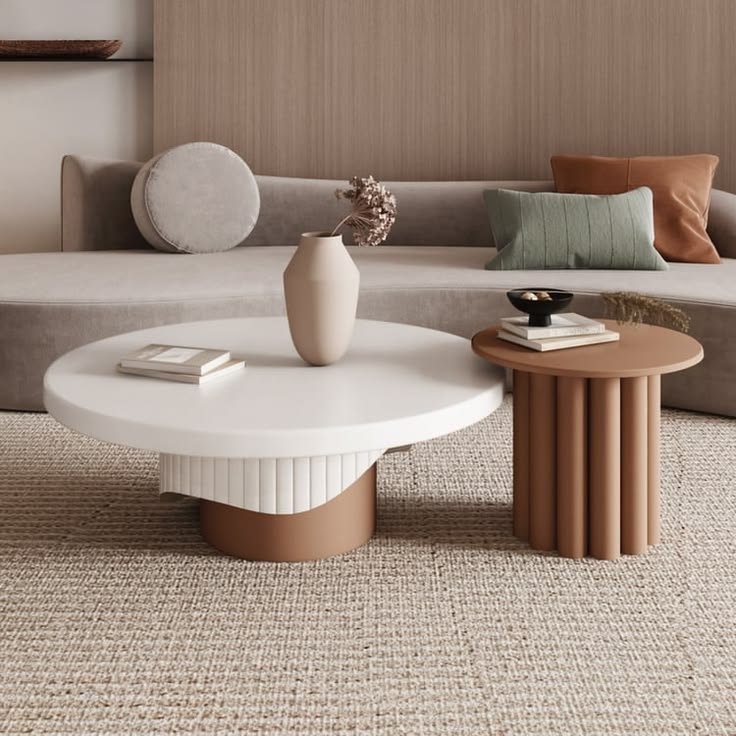
Not every decorating update requires replacing your largest furniture.
Sometimes the coffee table creates the biggest transformation.
Traditional rectangular coffee tables remain practical, especially in larger living rooms. However, rounded coffee tables introduce a noticeably softer appearance without changing the overall layout of the space.
One advantage is flexibility.
Because there are no pointed corners, moving around the table feels easier—particularly in compact living rooms where every step matters.
Rounded tables also improve visual balance.
If your room already contains a rectangular sofa, square television unit, and straight shelving, introducing one circular or oval coffee table immediately breaks up the repetition.
Materials make a difference here as well.
Natural oak creates warmth.
Walnut adds richness.
Stone tops introduce subtle luxury.
Glass keeps smaller rooms feeling open because it allows light to travel through the furniture rather than stopping at a solid surface.
Styling should remain simple.
Instead of covering the table with multiple decorations, try combining just a few carefully chosen objects.
A ceramic vase.
A stack of books.
A scented candle.
Perhaps a small bowl made from natural wood or stone.
Leaving some empty space is just as important as the objects themselves.
A coffee table doesn’t need to display everything you own.
Sometimes the most elegant styling comes from knowing when to stop adding more.
Arched Mirrors: The Simplest Way to Soften a Room
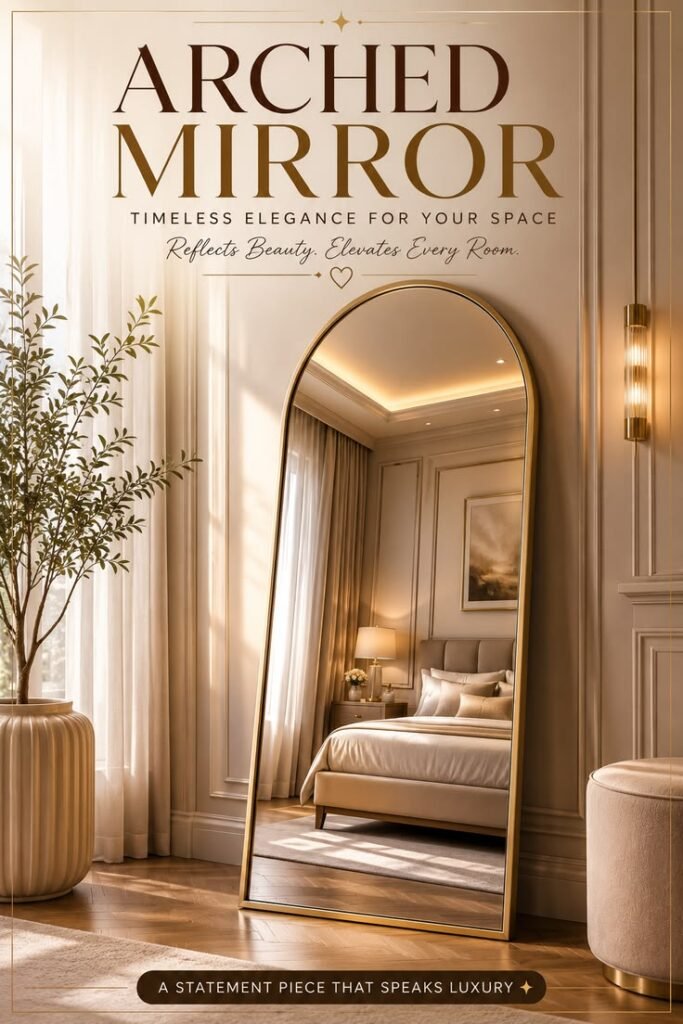
If you’re curious about trying the curved furniture trend but aren’t ready to replace your sofa or dining table, an arched mirror is one of the easiest places to start.
Unlike standard rectangular mirrors, arched designs naturally draw the eye upward, making walls appear taller and rooms feel more spacious. That’s one reason they’re frequently used in apartments, narrow hallways, and smaller living spaces.
They also soften walls that already contain lots of straight lines, such as cabinets, bookshelves, televisions, or picture frames.
Where you place the mirror matters just as much as its shape.
An arched mirror works beautifully:
- Above a console table in the entryway.
- Leaning against a bedroom wall for a relaxed, modern look.
- Above a fireplace to create a natural focal point.
- Opposite a window to reflect more daylight throughout the room.
When choosing a frame, think about the overall style of your home.
A slim black metal frame complements modern interiors, while natural wood adds warmth to Scandinavian and Japandi-inspired spaces. Brass or antique finishes work well if you’re aiming for a more classic or luxurious feel.
The mirror shouldn’t compete with everything else in the room—it should quietly make the space feel brighter, taller, and more open.
Bouclé Accent Chairs: Comfort Meets Texture
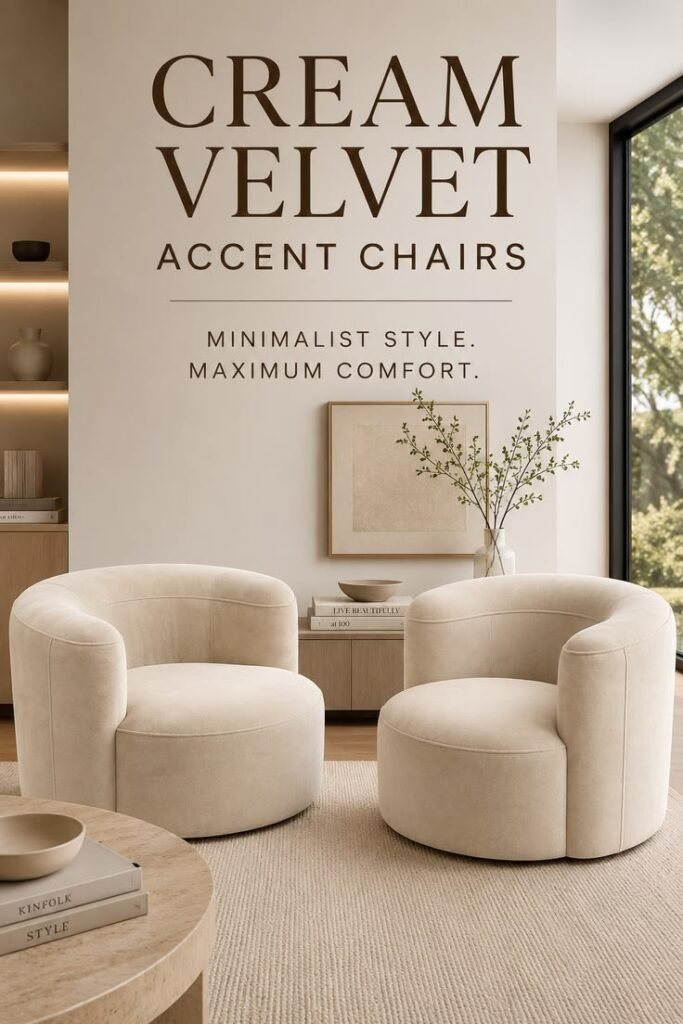
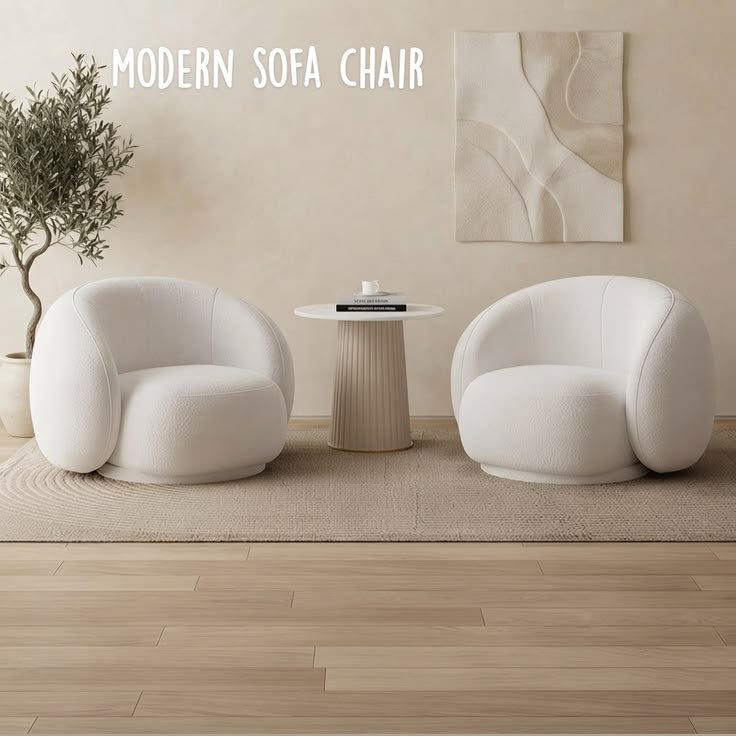
Few furniture pieces have become as recognizable in recent years as the bouclé accent chair.
Originally associated with luxury hotels and designer homes, bouclé has become much more accessible, allowing homeowners to introduce both texture and softness without redesigning an entire room.
Bouclé isn’t simply about appearance.
Its looped fabric creates visual depth while making furniture feel warm and inviting. Combined with rounded silhouettes, it creates a chair that looks comfortable before you even sit down.
A single bouclé chair can completely change the atmosphere of a room.
Place one beside a bookshelf with a floor lamp, and you’ve created a cozy reading corner.
Add one to a bedroom with a small side table, and suddenly an unused corner becomes a functional seating area.
Even in larger living rooms, a curved accent chair helps balance the straight lines of televisions, shelving, and rectangular sofas.
Neutral shades like cream, beige, oatmeal, and soft grey remain the safest long-term choices because they blend naturally with changing décor styles.
If you’re investing in one quality chair, choosing a timeless color usually offers more flexibility than following seasonal color trends.
Curved Lighting Creates a Softer Atmosphere
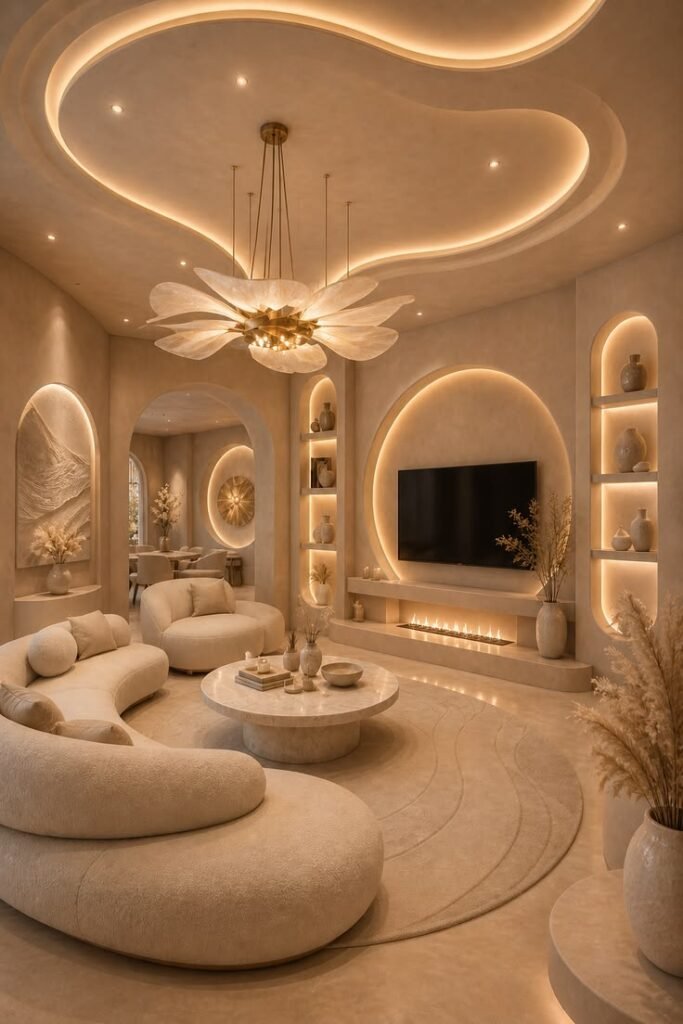
Furniture isn’t the only place where curves make a difference.
Lighting plays an equally important role.
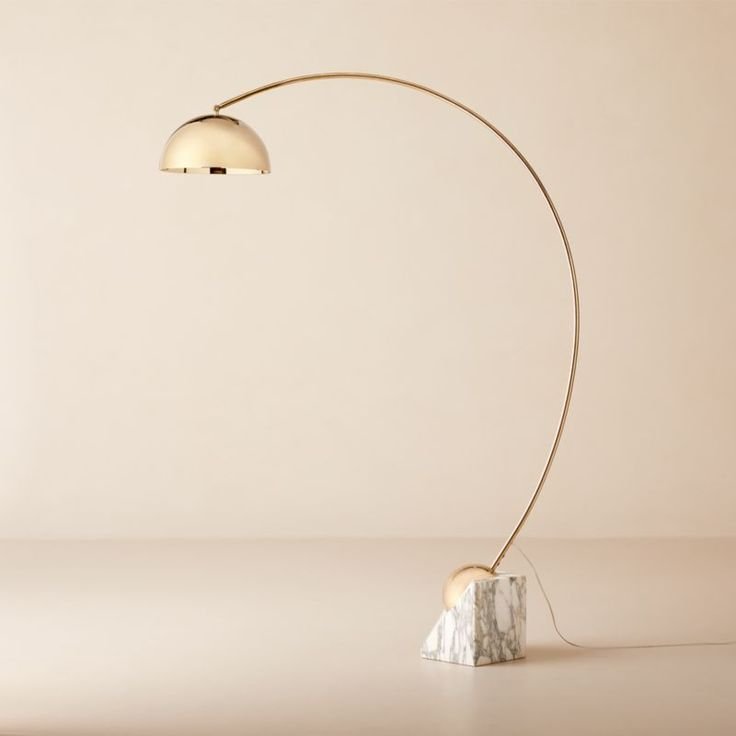
Many modern interiors now feature floor lamps with sweeping arches, rounded table lamps, globe-shaped pendants, and softly curved wall lights.
These fixtures introduce movement without making the room feel busy.
Instead of acting purely as a light source, they become sculptural design elements that add personality even during the day.
Curved lighting works especially well when paired with simple furniture.
A minimalist room often feels more interesting with one distinctive floor lamp than several smaller decorative accessories.
Warm lighting enhances this effect even further.
Soft white bulbs generally create a more comfortable atmosphere than bright, cool lighting, making curved furniture feel even more inviting during the evening.
Remember, lighting doesn’t just help you see your room—it changes how your room feels.
If you’re creating a productive workspace, the same principle applies. Our guide to minimal desk accessories for a clean and aesthetic workspace shows how thoughtful design choices can improve both comfort and focus.
Bringing Organic Shapes Into Every Room
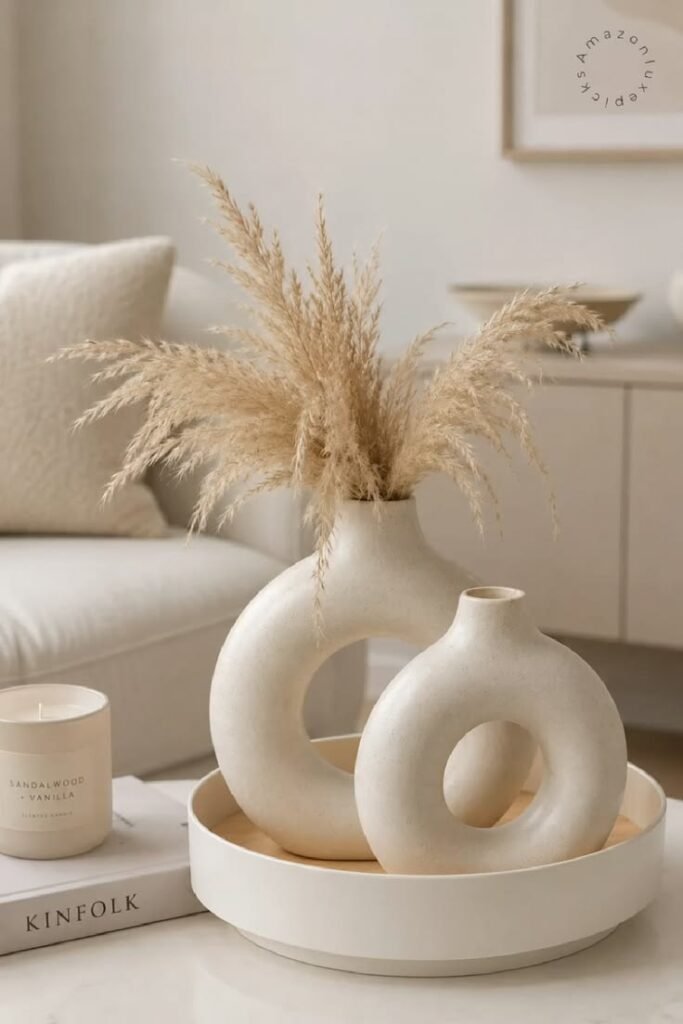
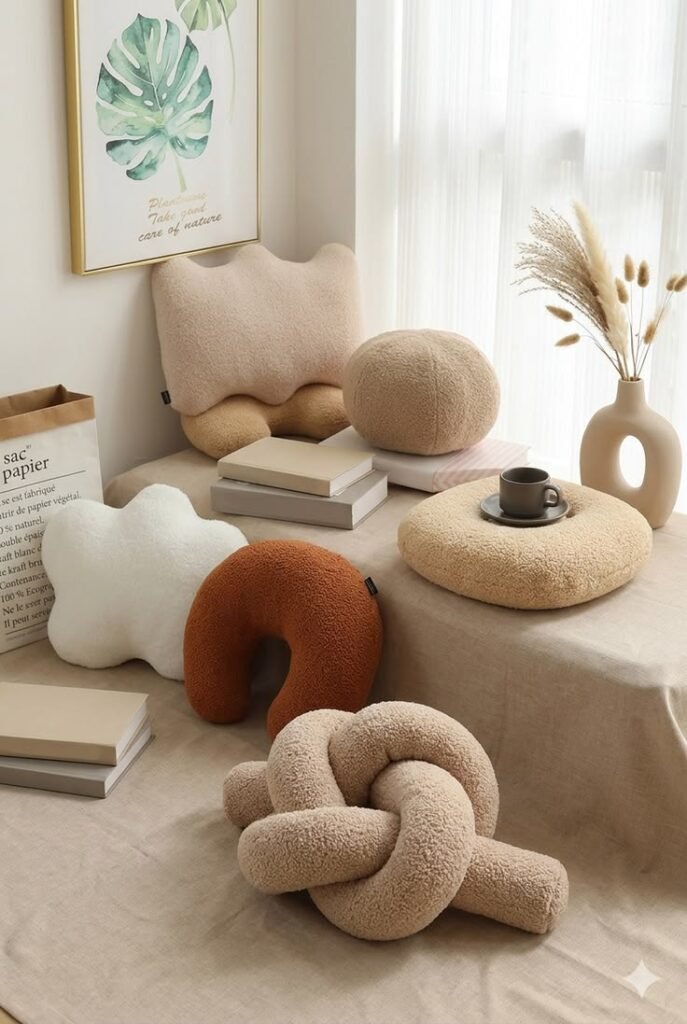
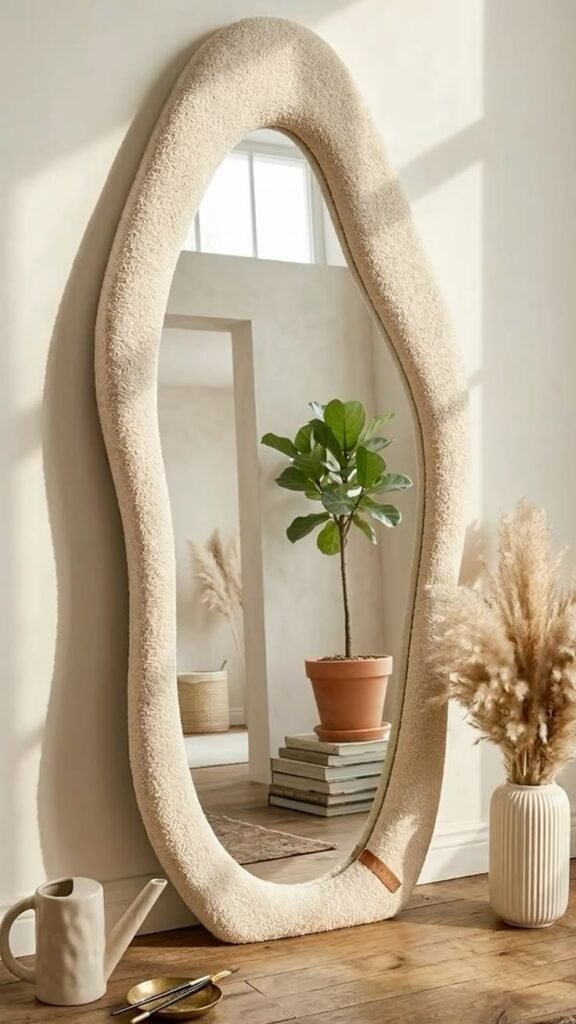
One of the biggest misconceptions about this trend is believing you need to replace every piece of furniture.
You don’t.
Organic shapes can be introduced gradually through smaller decorative details that cost far less than replacing an entire living room.
Consider adding:
- Rounded ceramic vases.
- Oval trays.
- Curved picture frames.
- Wavy-edge mirrors.
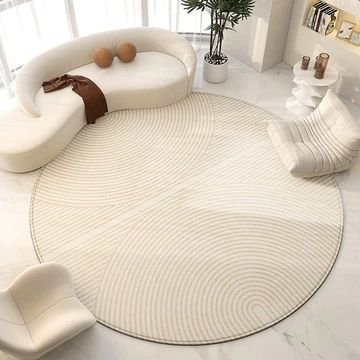
- Circular rugs.
- Softly shaped planters.
- Organic-shaped cushions.
Looking for more ways to create a stylish home without overspending? Explore our guide to modern home decor trends that bring affordable luxury into every room for more timeless decorating ideas
These subtle additions help tie a room together while reinforcing the overall design without overwhelming it.
The goal isn’t to make everything curved.
Instead, think about balancing straight architectural features with softer decorative elements.
Most homes naturally contain many hard lines—walls, ceilings, windows, doors, cabinets, and flooring. Introducing a few rounded objects creates contrast that feels intentional rather than forced.
How to Embrace the Trend Without Replacing Everything
One reason many people avoid decorating trends is the assumption that they’ll need to replace half their furniture.
Fortunately, curved interiors don’t work that way.
In fact, the most beautiful homes often evolve gradually rather than changing overnight.
Start by identifying the room you use most.
Perhaps it’s your living room.
Maybe it’s your bedroom.
Instead of shopping for multiple pieces at once, choose one item that introduces softer lines into the space.
If you’re decorating a compact apartment or bedroom, avoiding a few common layout mistakes can make an even bigger difference before buying new furniture. Read our guide on 10 small room mistakes that make your space look smaller (and how to fix them) to create a home that feels more open and balanced.
That could be:
- A rounded coffee table.
- An arched mirror.
- A curved floor lamp.
- A bouclé chair.
- A circular side table.
Live with that change for a while.
Notice how it affects the room before buying anything else.
This slower approach has several advantages.
First, it prevents expensive impulse purchases.
Second, it allows your personal style to develop naturally rather than copying someone else’s Pinterest board.
Most importantly, it helps you create a home that reflects your lifestyle instead of chasing every new trend.
Good interior design rarely happens in one shopping trip.
It develops through thoughtful decisions made over time.
What Most People Get Wrong About Curved Furniture
Curved furniture has become incredibly popular, but many people misunderstand how to use it successfully.
One common mistake is filling an entire room with rounded furniture.
While it may sound like a cohesive design, too many curves can actually make a space feel visually unstructured. The best interiors balance soft shapes with a few clean, straight-lined pieces that provide contrast.
Another mistake is choosing oversized statement furniture simply because it looks impressive online.
Large curved sofas often appear smaller in photographs than they do in real life. Without measuring carefully, they can overwhelm smaller living rooms and reduce comfortable walking space.
Many homeowners also underestimate the importance of proportion.
A delicate side table next to an oversized curved sofa may feel disconnected, while an enormous coffee table can dominate the room. Choosing furniture with similar visual weight creates a more balanced look.
Finally, avoid treating every decorating trend as permanent.
Instead of replacing perfectly good furniture, introduce curved shapes gradually through accessories, lighting, mirrors, or occasional furniture. This approach is more affordable, more sustainable, and allows your home to evolve naturally.
A Home That Feels as Good as It Looks
The growing popularity of curved furniture isn’t simply about following another decorating trend.
It’s part of a broader movement toward creating homes that feel calmer, warmer, and more comfortable to live in every day.
Soft organic shapes encourage balance without making a room feel overly decorated. Whether it’s a rounded coffee table, an elegant arched mirror, or a single bouclé chair, even small changes can transform the atmosphere of a space.
You don’t need to redesign your entire home to embrace this style.
Start with one thoughtful piece.
Live with it.
See how it changes the way your home feels.
The most beautiful interiors aren’t created by buying everything at once—they’re built through intentional choices that continue to work long after trends have faded.
When every piece serves a purpose and complements the rest of your home, your space feels more personal, more timeless, and ultimately more enjoyable to live in.
Frequently Asked Questions
Is curved furniture just a passing trend?
Curved furniture is fashionable right now, but rounded shapes have been used in interior design for decades. Choosing timeless materials and neutral colors makes curved pieces more likely to remain stylish even as trends evolve.
Does curved furniture work in small apartments?
Yes. In many cases, rounded furniture actually helps compact rooms feel less crowded because it softens visual lines and improves movement around the space. Just choose appropriately sized pieces for your room.
What decorating style works best with curved furniture?
Curved furniture blends well with modern, Japandi, Scandinavian, contemporary, minimalist, and even traditional interiors. Its versatility is one reason it has become so popular.
Do I need to replace all my furniture to follow this trend?
Not at all. Adding an arched mirror, rounded coffee table, curved lamp, or organic-shaped accessories can introduce the trend without replacing your existing furniture.
What colors work best with curved furniture?
Neutral tones such as beige, cream, white, taupe, grey, natural wood, and soft earthy colors create a timeless look. These shades also make it easier to update your décor over time.
Is curved furniture more expensive?
Some designer pieces are expensive, but many affordable brands now offer curved sofas, chairs, mirrors, and tables. Building your collection gradually is often the most budget-friendly approach.
Image Note: Product images and visual references are included to help readers identify the products discussed and understand their appearance and features. Copyright in third-party product imagery remains with the respective rights holders unless otherwise stated.