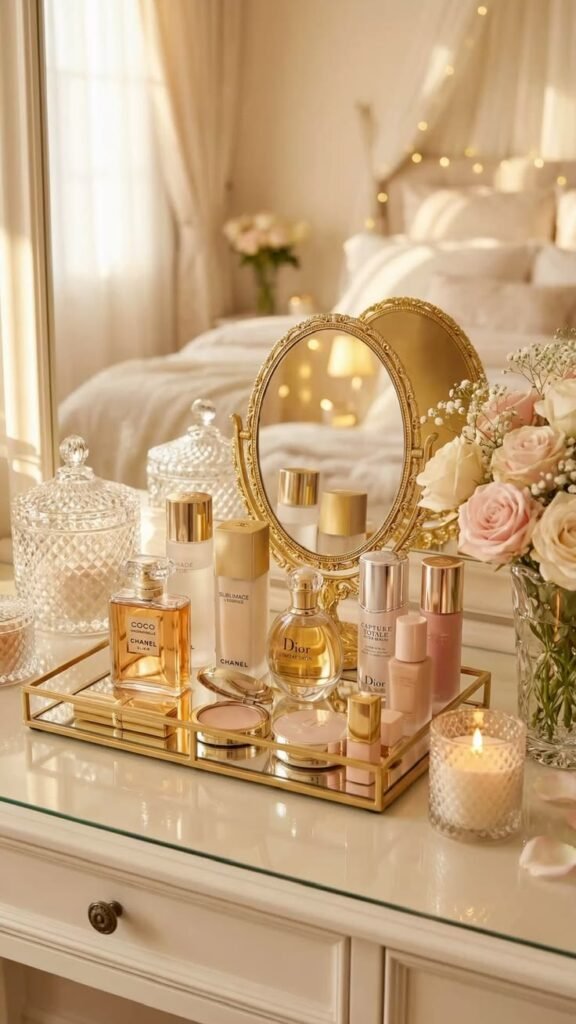
Does your favorite perfume disappear after just a few hours? Discover the hidden reasons your fragrance doesn’t last and learn simple tricks to make every spray last longer. From skincare and application tips to storage mistakes, this guide helps you enjoy your signature scent all day. Save these fragrance tips for your next perfume routine.
It Smelled Amazing This Morning… So Where Did It Go?
You spray your favorite perfume before leaving the house.
For the first hour, everything feels perfect. Every time you move, you catch a pleasant hint of your fragrance. It feels fresh, elegant, and exactly how you hoped it would.
Then, sometime before lunch, it seems to disappear.
Naturally, most people assume they bought the wrong perfume.
Maybe it wasn’t expensive enough.
Maybe the quality isn’t very good.
Or maybe the brand exaggerated how long it would last.
But surprisingly, that’s often not the real reason.
A fragrance can only perform as well as the way it’s worn. Your skin, the weather, where you spray it, how you store the bottle, and even small daily habits can all affect how long a scent stays noticeable.
That’s why two people wearing the exact same perfume can have completely different experiences. One person still smells amazing after dinner, while the other feels like their fragrance vanished before lunchtime.
The good news is that most of these problems are easy to fix.
You don’t necessarily need a new perfume—you may simply need a better routine.
Let’s look at the hidden reasons your fragrance fades faster than expected and the simple changes that can help every spray last much longer.
Your Perfume Isn’t Always the Problem
When a fragrance doesn’t last, the bottle usually gets the blame first.
It’s easy to think the perfume is weak or that the brand overpromised. While that can occasionally happen, it’s far more common for everyday habits to shorten a fragrance’s lifespan.
Think about it this way.
Even the highest-quality perfume can’t perform well if it’s sprayed onto dry skin, stored in a hot bathroom, or rubbed away immediately after application.
Many luxury fragrances are carefully designed to evolve throughout the day. The bright opening notes naturally fade after the first hour, allowing deeper heart and base notes to become more noticeable.
Some people mistake this normal transition for the perfume disappearing completely.
Another thing worth remembering is that your own nose adjusts surprisingly quickly.
After smelling the same fragrance for a while, your brain begins to filter it out so it can focus on new scents around you. This is completely normal and is often called “nose blindness.”
In many cases, the people around you can still smell your perfume even though you think it’s gone.
Before replacing an expensive fragrance, take a closer look at the way you’re wearing it.
Small adjustments often make a much bigger difference than buying another bottle.
Dry Skin Lets Fragrance Escape Faster
One of the biggest reasons perfume disappears quickly has nothing to do with the fragrance itself.
It starts with your skin.
Perfume performs best when it has a slightly moisturized surface to hold onto. Dry skin absorbs fragrance oils much more quickly, causing the scent to evaporate faster than expected.
That’s why someone with naturally oily or well-hydrated skin often notices better longevity using the exact same perfume.
The solution doesn’t require buying special fragrance products.
A simple, fragrance-free moisturizer applied a few minutes before spraying perfume can make a noticeable difference.
Moisturized skin creates a smoother surface that helps fragrance molecules stay in place longer.
Body lotions from the same fragrance collection can also extend longevity because they create matching scent layers without changing the perfume’s character.
If you don’t own a matching lotion, a lightweight unscented moisturizer works perfectly well.
Just remember to let it absorb before applying your fragrance.
This small habit takes less than a minute but can often add several hours to your perfume’s performance.
That Quick Wrist Rub Is Doing More Harm Than Good
Almost everyone has done it.
Spray perfume on both wrists.
Rub them together.
Walk away.
It feels natural because people have been doing it for years.
The problem is that this simple habit can change the way your fragrance develops.
When you rub your wrists together, you create friction and heat.
While this doesn’t instantly destroy your perfume, it can cause the delicate top notes to fade more quickly than intended.
Those bright citrus, fruity, and fresh opening notes are usually the first impression of a fragrance. Rubbing the perfume encourages them to disappear faster, making the scent feel flatter much sooner.
A better approach is surprisingly simple.
After spraying your wrists, let the perfume dry naturally.
Avoid touching the area for a few seconds and allow the fragrance to settle on its own.
This gives each stage of the perfume time to develop as the perfumer intended.
It may feel like a small change, but over time you’ll notice your fragrance unfolds more smoothly and lasts longer.
You’re Probably Spraying the Wrong Places
Where you apply perfume matters just as much as how much you apply.
Many people spray only their wrists because that’s what they’ve always seen others do.
While wrists are useful pulse points, they aren’t the only places that help fragrance perform well.
Areas that naturally generate gentle body heat help release scent gradually throughout the day.
These include:
- Behind the ears
- The sides of the neck
- Inside the elbows
- Behind the knees
- The upper chest
These spots allow fragrance to warm naturally as your body moves, creating a softer and more consistent scent trail.
Some people also lightly spray clothing.
This can increase longevity because fabric often holds fragrance longer than skin.
However, not every perfume is suitable for every material.
Silk, suede, leather, and delicate fabrics can sometimes stain or become damaged by perfume oils or alcohol.
If you choose to spray clothing, test an inconspicuous area first.
Hair is another popular option.
Instead of spraying perfume directly onto your hair—which may dry it out because of the alcohol content—consider lightly misting your hairbrush before brushing through your hair or using a fragrance specifically formulated for hair.
The goal isn’t to cover yourself in perfume.
It’s to place fragrance where it can naturally perform its best throughout the day.
Your Bathroom Might Be Shortening Your Perfume’s Life
Many perfume bottles live in the bathroom.
It seems like the most convenient place.
You get ready in the morning, your fragrance is within reach, and everything stays together.
Unfortunately, your bathroom is often one of the worst places to store perfume.
Every hot shower creates heat and humidityDaily temperature changes slowly affect the delicate fragrance oils inside the bottle.
Sunlight entering through bathroom windows can speed up this process even further.
Over time, the perfume may begin to smell slightly different or lose some of its original strength.
Instead, store your fragrances somewhere cool, dry, and away from direct sunlight.
A bedroom drawer, wardrobe shelf, or closed cabinet usually provides a much more stable environment.
Keeping the original box can also offer extra protection from light if you don’t display your bottles.
Good storage won’t magically make every perfume last all day, but it helps preserve the fragrance exactly as it was designed.
Considering that many perfumes are an investment, storing them properly is one of the easiest ways to protect both their scent and your money.
More Sprays Don’t Always Mean More Staying Power
When your perfume seems to disappear after a few hours, the first instinct is often to spray more of it.
It sounds logical. If two sprays didn’t last, maybe six or seven will.
Unfortunately, fragrance doesn’t always work that way.
Applying a large amount at once doesn’t automatically make a perfume last longer. In many cases, it simply makes the opening stronger while causing your nose to adapt to the scent much faster. This is known as olfactory fatigue, or “nose blindness.” After smelling the same fragrance continuously, your brain begins filtering it out, making you think it has completely disappeared even though people around you can still smell it.
Instead of covering yourself in extra sprays, focus on where and how you apply your fragrance.
For most perfumes, three to five sprays are enough for everyday wear. A stronger concentration such as Parfum may need even less, while lighter Eau de Toilette formulas may require an additional spray.
The goal isn’t to fill the room with fragrance. A well-worn perfume should be discovered naturally when someone is close to you, not announced from across the room.
Your Skin Changes More Than You Think
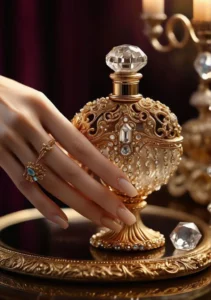
Have you ever noticed that your favorite perfume lasts longer during winter than it does on a hot summer afternoon?
That’s completely normal.
Your skin changes throughout the year, and those changes directly affect how fragrance performs.
During colder months, skin often becomes drier. While this can shorten longevity if you skip moisturizer, cooler temperatures also slow down evaporation, allowing many fragrances to stay noticeable for longer.
Summer creates the opposite effect.
Heat causes fragrance molecules to evaporate more quickly. Fresh citrus perfumes may smell vibrant at first but disappear faster in warm weather than richer woody or amber fragrances.
Your daily routine also plays a role.
If you’ve just finished exercising, spent time outdoors, or showered with strongly scented body wash, your perfume may behave differently than usual.
Even hydration can make a difference. Skin that is well cared for generally holds fragrance better than skin that feels dry or flaky.
Rather than assuming your perfume has changed, remember that your body changes too. Adjusting your fragrance routine with the seasons often produces better results than constantly buying new bottles.
Healthy, hydrated skin doesn’t just benefit your complexion—it also helps fragrance perform better. Learn how to build a simple skincare routine in our guide to Men’s Grooming Guide 2025: Skincare, Fragrances & Tools That Actually Work.
Not Every Perfume Is Designed to Last All Day
One of the biggest misconceptions in the fragrance world is believing every perfume should last from morning until bedtime.
The truth is that different fragrance concentrations are designed for different experiences.
Eau de Cologne is light, refreshing, and perfect for hot weather, but it naturally fades more quickly.
Eau de Toilette (EDT) offers moderate longevity and is popular for everyday wear because it feels fresh without becoming overwhelming.
Eau de Parfum (EDP) contains a higher concentration of fragrance oils, helping it remain noticeable for longer.
Parfum usually offers the richest and longest-lasting experience because it contains the highest concentration of perfume oils.
Even within the same category, ingredients matter.
Bright citrus, green, and aquatic notes naturally disappear sooner than heavier ingredients such as vanilla, sandalwood, patchouli, oud, or amber.
That doesn’t mean citrus fragrances are lower quality.
They’re simply designed to deliver a lighter, fresher experience.
Understanding this helps set realistic expectations. Sometimes your perfume is performing exactly as its creator intended.
Small Habits That Make a Big Difference
Long-lasting fragrance isn’t usually the result of one big secret.
It’s the combination of several small habits that work together.
Start by moisturizing your skin before applying perfume. As mentioned earlier, hydrated skin helps fragrance stay noticeable for longer.
Store your bottles somewhere cool and dry instead of leaving them in a warm bathroom.
Allow your perfume to dry naturally after spraying instead of rubbing your wrists together.
Apply fragrance to clean skin whenever possible. Freshly showered skin gives perfume a better surface to settle on than skin already covered with sweat or other strong scents.
If you know you’ll be out all day, consider carrying a small travel atomizer instead of bringing the full bottle with you. A light refresh in the afternoon often feels more natural than applying too much in the morning.
Finally, choose fragrances that match the season. Richer scents generally perform better during cooler months, while lighter compositions feel more comfortable in warm weather.
None of these habits require expensive products.
Together, however, they can noticeably improve the way your fragrance performs every day.
If you enjoy combining fragrances for a more personalized scent, our Perfume Layering Guide 2026 shows how to create combinations that smell balanced and last longer throughout the day.
Before You Blame the Bottle…
Sometimes the perfume isn’t the problem at all.
One overlooked issue is buying counterfeit fragrances.
Fake perfumes may look almost identical to the original packaging, but they often contain lower-quality ingredients and much weaker fragrance oils. As a result, they usually disappear much faster than authentic products.
Another mistake is expecting every fragrance family to perform the same way.
Fresh citrus perfumes are designed to feel clean and energetic. Heavy oriental or woody fragrances are created for depth and longevity. Comparing the two isn’t always fair because they’re built for different purposes.
Age also matters.
Although perfume doesn’t suddenly expire after a specific date, bottles stored poorly for several years may gradually lose some of their original character.
Finally, remember that your own nose isn’t always the best judge.
If friends or family still compliment your fragrance hours later, it’s probably still there—you’ve simply stopped noticing it yourself.
Before replacing your favorite perfume, take a closer look at your routine. A few simple changes often solve the problem far more effectively than buying another bottle.
Looking for your next signature scent? Explore our carefully selected recommendations in Top 5 Best Perfumes for Women in 2025 – Long-Lasting, Luxury & Compliment-Magnet Scents.
Make Every Spray Count
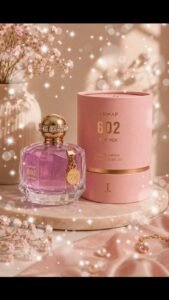
A great fragrance should become part of your personal style, not another product you constantly feel disappointed by.
The good news is that most perfumes perform better than we give them credit for.
Often, it’s the small habits surrounding the fragrance—not the fragrance itself—that make the biggest difference.
Taking a few extra seconds to moisturize your skin, storing your bottles properly, applying perfume to the right areas, and understanding how different fragrance types behave can completely change your experience.
The goal isn’t to make every perfume last forever.
It’s to help every bottle perform at its best.
When you understand how fragrance works, you’ll spend less time wondering where your scent disappeared and more time enjoying the confidence that comes with wearing it.
Frequently Asked Questions
How many sprays of perfume should I use?
For most people, three to five sprays are enough for everyday wear. Stronger fragrances may need fewer sprays, while lighter scents may benefit from one extra application.
Does perfume last longer on skin or clothes?
Skin allows the fragrance to develop naturally, while clothing can hold scent for longer. If spraying clothes, always test delicate fabrics first to avoid staining.
Can moisturizer really make perfume last longer?
Yes. Hydrated skin helps fragrance oils stay on the surface longer, reducing how quickly they evaporate.
Should I keep perfume in the refrigerator?
Usually no. A cool, dry cupboard or drawer away from sunlight is ideal. Frequent temperature changes inside a refrigerator aren’t necessary for most fragrances.
Why can other people smell my perfume but I can’t?
This is often caused by nose blindness. Your brain becomes accustomed to a scent you’ve been wearing for hours, even though others can still notice it.
Which fragrance concentration lasts the longest?
Parfum generally lasts the longest, followed by Eau de Parfum, Eau de Toilette, and Eau de Cologne.
Does weather affect perfume performance?
Yes. Heat speeds up evaporation, while cooler temperatures usually help fragrance last longer.
Image Note: Product images and visual references are included to help readers identify the products discussed and understand their appearance and features. Copyright in third-party product imagery remains with the respective rights holders unless otherwise stated.