Green marks from rings, bracelets, or necklaces don’t always mean your jewelry is dangerous. Discover what causes the discoloration, how to prevent it, which metals are safest for sensitive skin, and how to make affordable jewelry last longer. Save these jewelry care tips before your next purchase.
It Looked Great Until You Took It Off
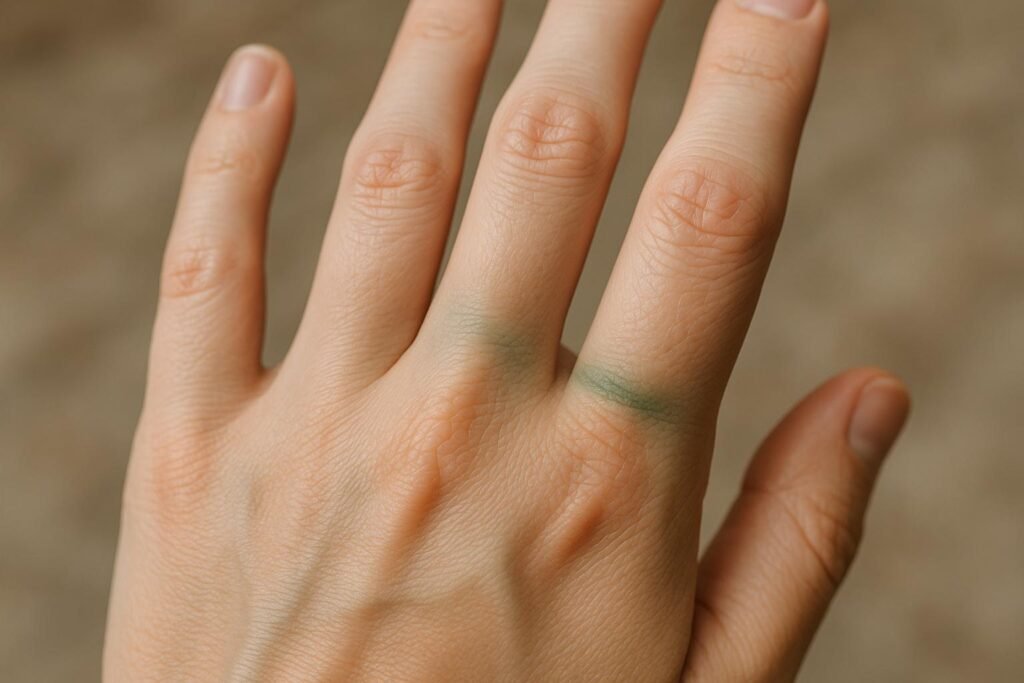
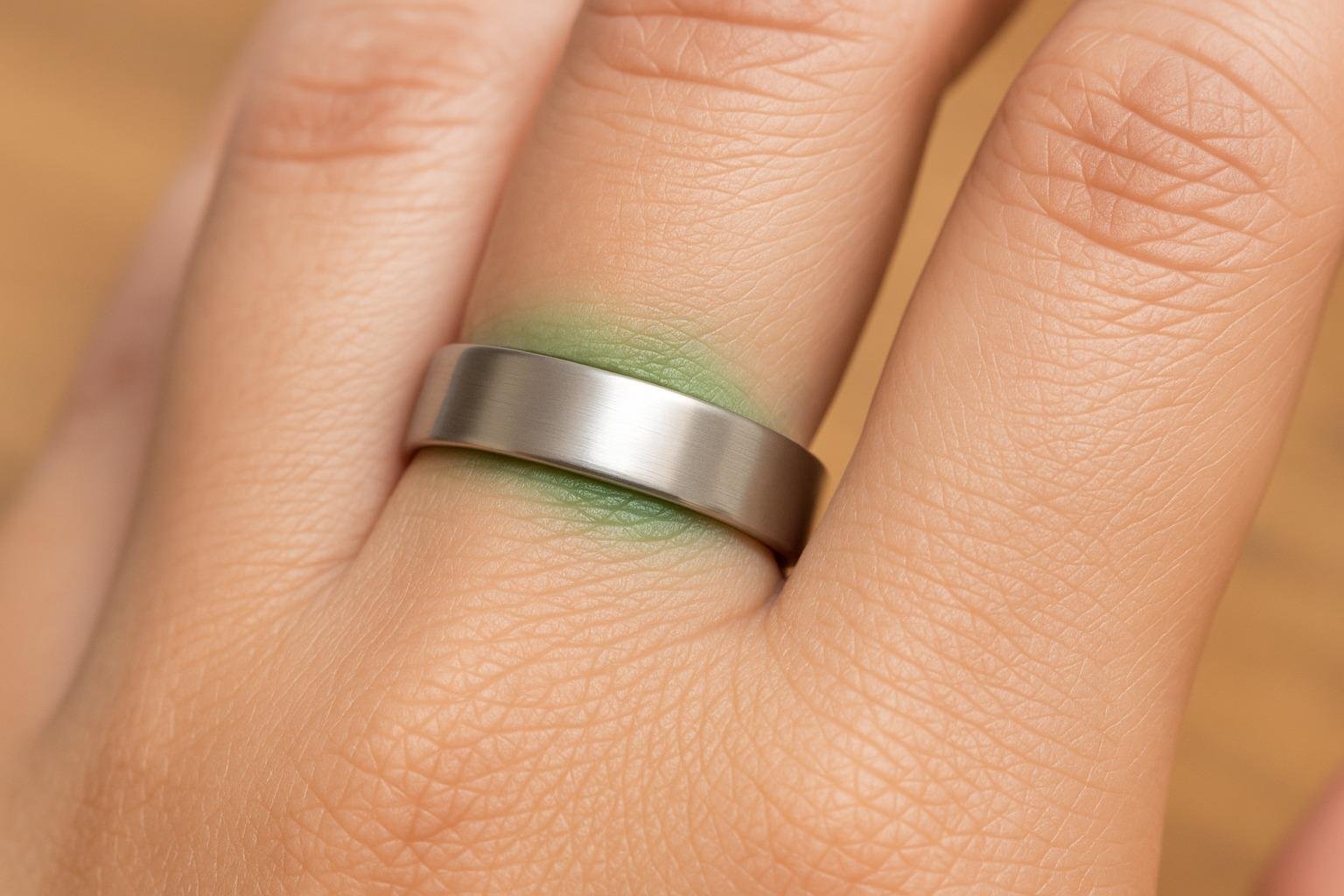
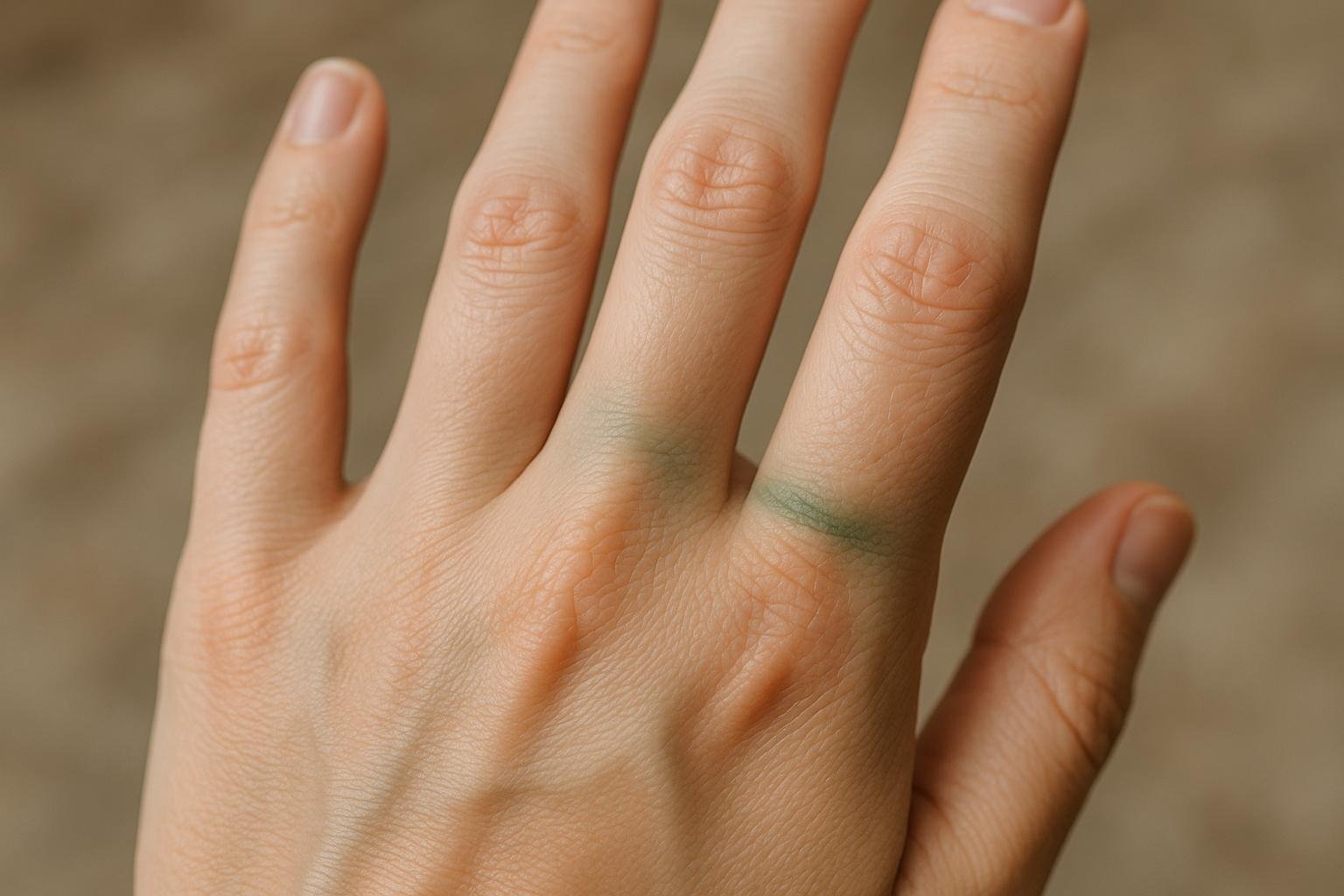
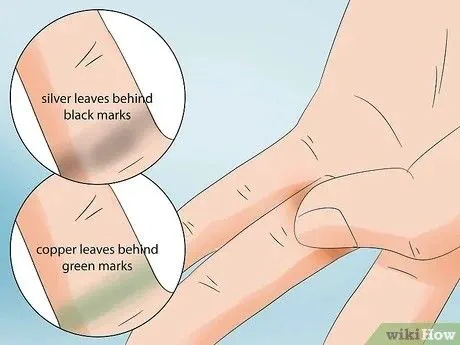
You wear a new ring for a few hours, glance at your hand later, and notice a faint green circle around your finger.
At first, it feels alarming.
Did the jewelry damage your skin? Is it a sign of an allergy? Does it mean the piece is fake?
The good news is that in most cases, a green mark is not dangerous. It’s usually the result of a chemical reaction between the metal in the jewelry and things your skin naturally produces, such as sweat, oils, and moisture.
That doesn’t mean you should ignore it completely, though.
Understanding why it happens can help you choose better jewelry, prevent discoloration, and make affordable pieces last much longer.
Let’s break down what’s actually happening—and how to stop your favorite accessories from leaving green stains behind.
The Green Color Isn’t Coming From Your Skin
Many people assume their skin is turning green.
In reality, the green color usually comes from the metal itself.
When certain metals are exposed to moisture, sweat, lotions, perfumes, or even the natural acidity of your skin, they can oxidize. The oxidation creates green compounds that transfer onto the surface of your skin.
The most common culprit is copper.
Copper is often mixed into inexpensive jewelry because it’s affordable and easy to work with. Brass and some fashion jewelry alloys also contain copper, which is why rings, bracelets, and necklaces made from these materials are more likely to leave green marks.
This reaction is similar to what happens when a copper roof or statue develops a green patina over time.
The difference is that on jewelry, the reaction happens much faster because the metal is constantly touching your skin.
The Metals Most Likely to Cause Green Marks
More likely to leave green marks
Common in fashion jewelry
- Copper
- Brass
- Bronze
- Low-quality metal alloys
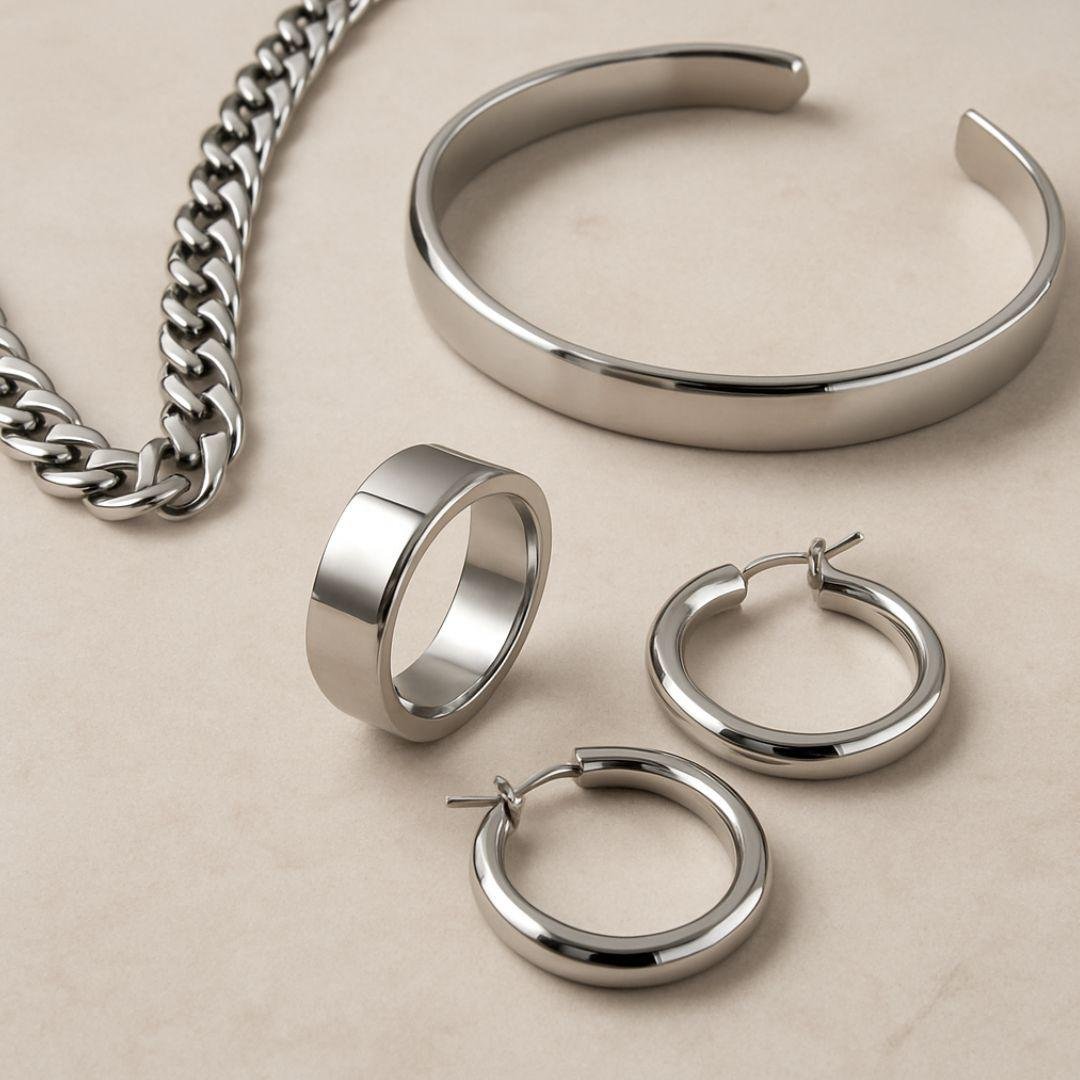
Usually safer for sensitive skin
Better long-term choice
- Stainless steel
- Titanium
- Sterling silver (925)
- Solid gold
- Platinum
Important: Even gold-plated jewelry can leave marks if the thin gold layer wears away and exposes the copper or brass underneath.
Sweat, Lotion, and Perfume Can Make It Worse
Have you ever noticed that a ring leaves a stronger green mark on a hot day?
That’s because sweat accelerates the reaction between your skin and the metal.
Other products can also contribute:
- Body lotion
- Hand cream
- Perfume
- Sunscreen
- Hair products
- Soap residue
These substances can interact with the metal coating and cause it to break down more quickly.
One simple habit that helps is applying perfume and skincare products before putting on your jewelry and allowing them to dry completely.
Does a Green Mark Mean the Jewelry Is Fake?
Not necessarily.
Some authentic fashion jewelry contains copper alloys and can still leave a green mark.
However, frequent discoloration may indicate that:
- The jewelry has a thin plating.
- The protective coating has worn off.
- The base metal contains a high amount of copper.
- The piece was made primarily for fashion rather than long-term durability.
A green mark doesn’t automatically mean the jewelry is counterfeit, but it can be a sign that the materials are lower quality than they appear.
The Difference Between a Green Mark and an Allergy
This is an important distinction.
A green mark is usually a harmless metal reaction.
An allergic reaction may include:
- Redness
- Itching
- Burning
- Swelling
- Rash or blisters
If your skin becomes irritated, painful, or develops a rash, stop wearing the jewelry and consider consulting a healthcare professional.
Many jewelry allergies are related to nickel, not copper.
How to Stop Jewelry From Turning Your Skin Green
1. Keep Jewelry Dry
Remove rings and bracelets before:
- Showering
- Swimming
- Washing dishes
- Exercising
2. Apply a Protective Barrier
A thin layer of clear nail polish on the inside of a ring can temporarily reduce direct contact between the metal and your skin.
Just remember that it wears off and needs reapplication.
3. Let Skincare Absorb First
Apply lotion, sunscreen, or perfume, wait a few minutes, and then put on your jewelry.
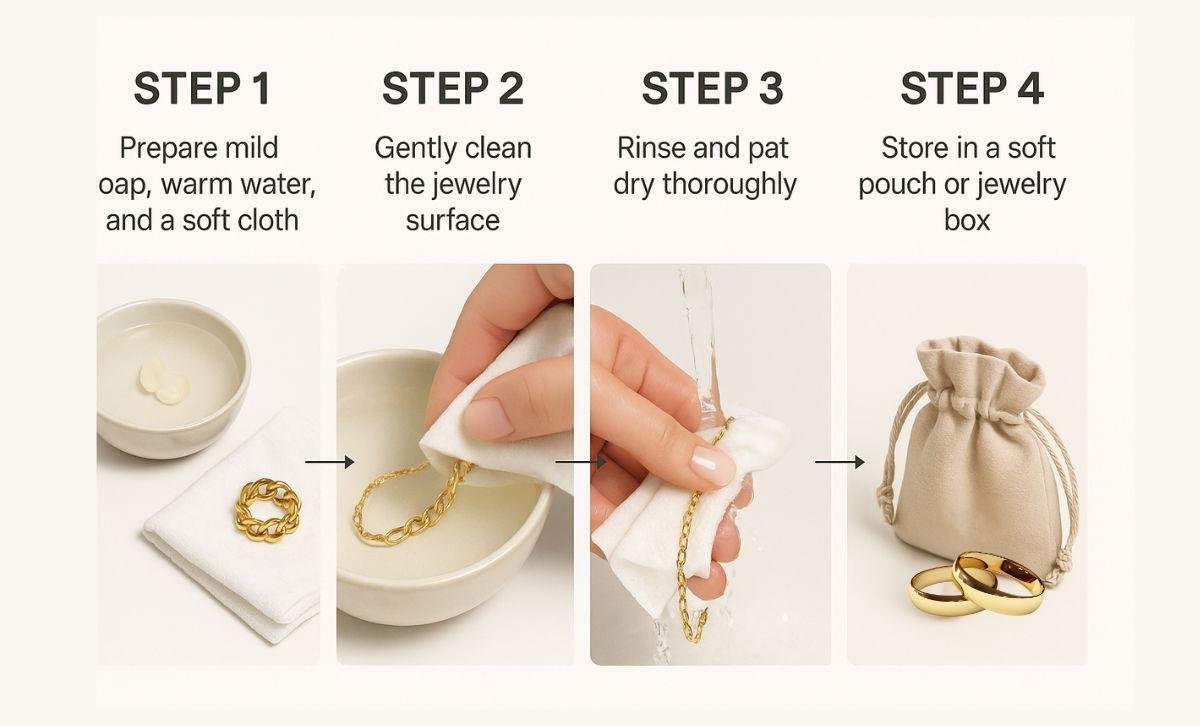
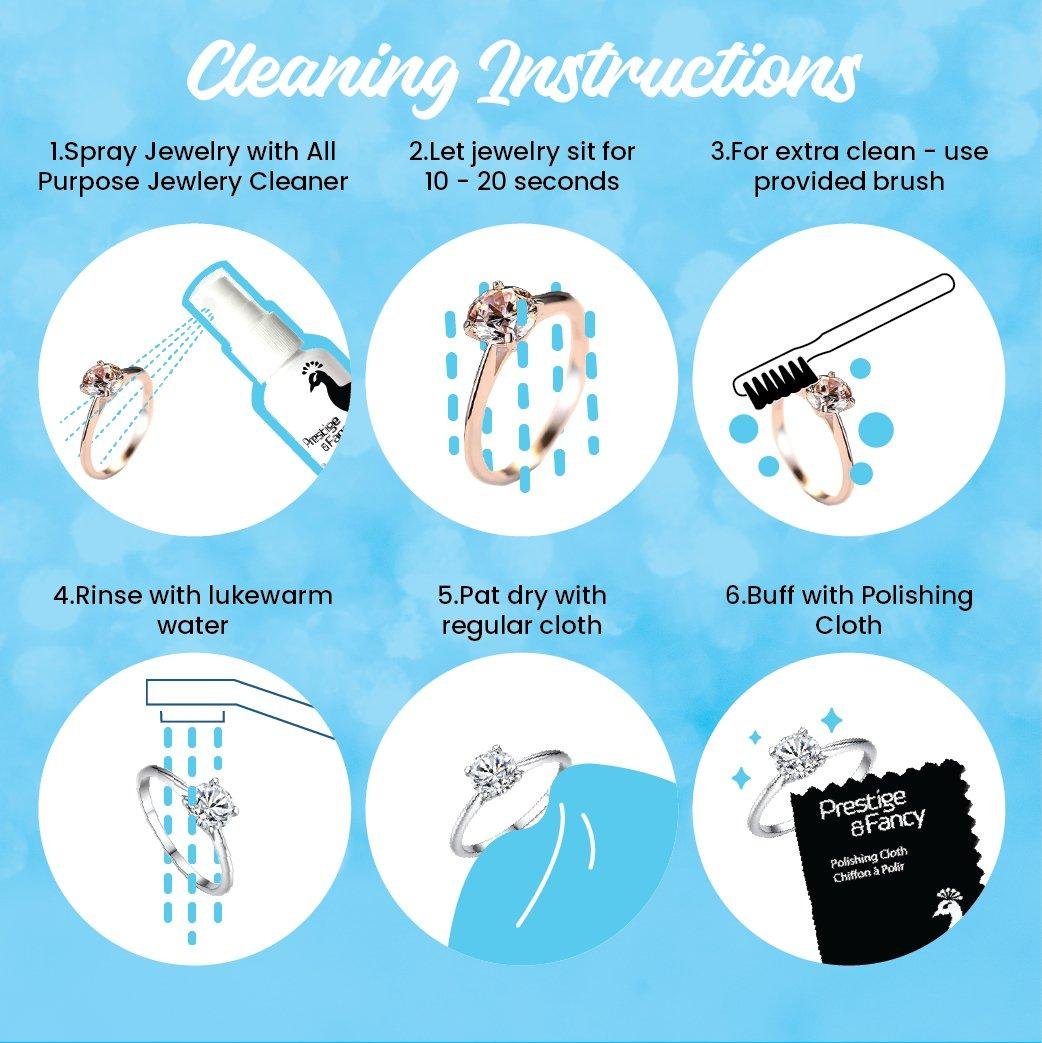
4. Clean Jewelry Regularly
Wipe pieces with a soft cloth after wearing them to remove sweat and oils.
5. Choose Better Materials
If a piece repeatedly leaves green marks, upgrading to stainless steel, titanium, or sterling silver is often the most effective long-term solution.
The Best Jewelry Materials for Sensitive Skin
| Material | Good for Sensitive Skin? |
|---|---|
| Stainless Steel | ✅ Yes |
| Titanium | ✅ Excellent |
| Sterling Silver | ✅ Usually |
| Solid Gold | ✅ Excellent |
| Platinum | ✅ Excellent |
| Brass | ⚠️ Sometimes |
| Copper | ⚠️ Often leaves marks |
| Nickel Alloys | ❌ Avoid if sensitive |
Making Affordable Jewelry Last Longer
You don’t have to buy expensive solid gold pieces to enjoy beautiful accessories.
Many affordable items can last much longer with proper care.
Try storing jewelry in:
- A dry jewelry box
- Soft fabric pouches
- Separate compartments
- Anti-tarnish bags if available
Avoid tossing multiple pieces together, as friction can wear down protective coatings.
Also rotate your jewelry instead of wearing the same plated piece every single day.
Giving it occasional breaks helps preserve the finish.
Building a smaller collection of versatile, higher-quality accessories often helps reduce issues like tarnishing and discoloration. See our guide on Capsule Accessories Guide 2026 | Build a Collection That Matches Every Outfit for smarter long-term accessory choices.
What Most People Never Realize
The goal isn’t to avoid all affordable jewelry.
It’s to understand which pieces are designed for occasional fashion wear and which are built for everyday use.
A trendy ring worn a few times a month may be perfectly fine.
A ring you wear every day—while washing hands, applying lotion, and exercising—needs much more durable materials.
Once you start matching the jewelry material to how often you’ll wear it, you’ll usually notice fewer green marks, less tarnishing, and better overall value from your purchases.
Before Your Next Jewelry Purchase
If a piece of jewelry has ever left a green mark on your skin, don’t panic.
In most cases, it’s simply a reaction between moisture, sweat, and copper-based metals—not a sign that your skin is damaged.
The real takeaway is this: materials matter.
For everyday wear, stainless steel, titanium, sterling silver, and solid gold are usually worth the investment because they resist discoloration and tend to be kinder to sensitive skin.
For occasional fashion pieces, affordable alloys can still look beautiful—you just may need to take a little extra care of them.
Understanding the difference helps you shop smarter, spend less on replacements, and enjoy your jewelry without worrying about the green mark you’ll find later.
Frequently Asked Questions
Is a green mark from jewelry dangerous?
Usually no. In most cases, it’s a harmless reaction between copper-based metals and moisture, sweat, or oils on your skin.
Can I stop a ring from turning my finger green?
Yes. Keeping the ring dry, applying a protective coating such as clear nail polish, and avoiding lotion or perfume directly under the ring can help.
Which jewelry metal is least likely to cause problems?
Titanium and high-quality stainless steel are among the safest choices for sensitive skin.
Does sterling silver turn skin green?
Genuine 925 sterling silver is less likely to leave green marks, though tarnishing can occur over time if it’s not cleaned properly.
Why does only some jewelry leave green marks?
Different pieces contain different metal alloys. Jewelry with a higher copper content is more likely to react with sweat and moisture.
Can perfume damage jewelry?
Yes. Perfume, hairspray, and some skincare products can break down plated finishes more quickly, especially on fashion jewelry.
How do I clean fashion jewelry safely?
Use a soft, dry cloth after wearing it. Avoid harsh chemicals or abrasive cleaners that can remove protective coatings.
Image Note: Product images and visual references are included to help readers identify the products discussed and understand their appearance and features. Copyright in third-party product imagery remains with the respective rights holders unless otherwise stated.