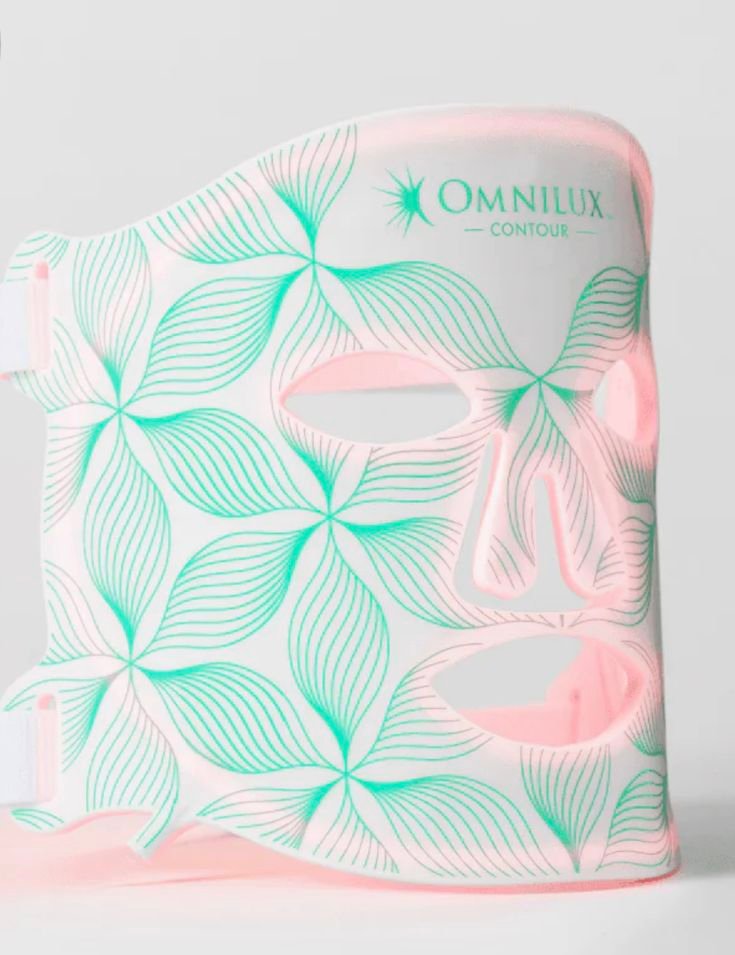
What Is the Omnilux Contour Face?
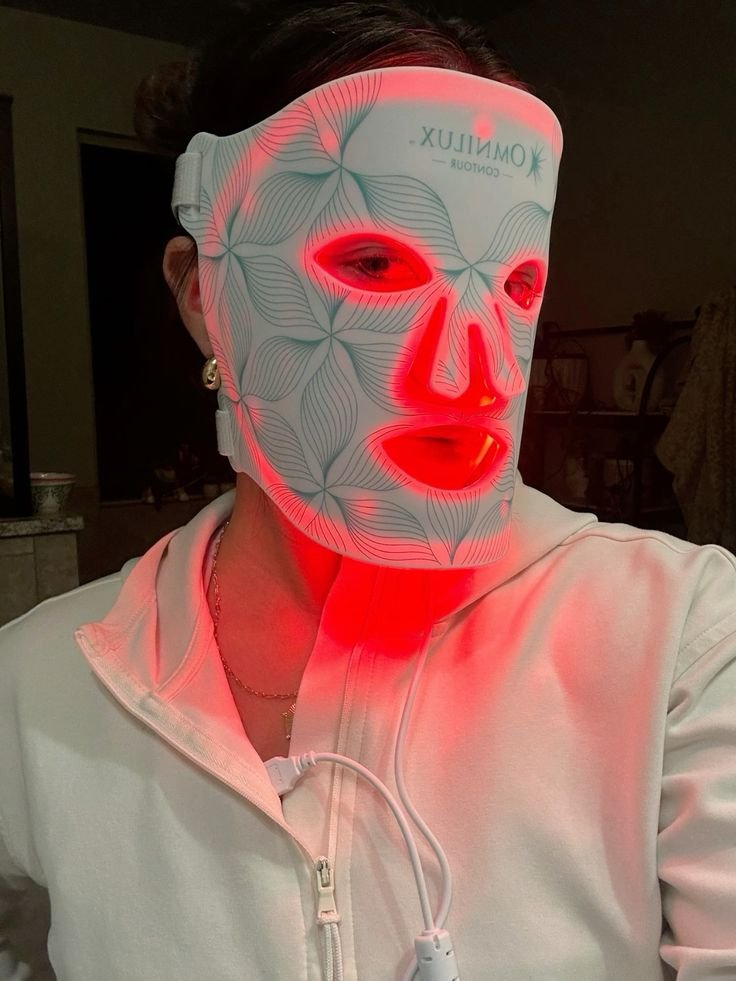
The Omnilux Contour Face is a flexible silicone LED mask designed for at-home light therapy.
Its approach is deliberately simple. Instead of using several technologies at once, it uses two specific light wavelengths:
- 633nm red light
- 830nm near-infrared light
The company says these wavelengths are intended to support skin rejuvenation and the appearance of firmer, smoother and healthier-looking skin. Omnilux also lists FDA, CE and TGA certifications for the device.
One important distinction is worth making here: FDA-cleared is not the same thing as FDA-approved. The 510(k) pathway generally means a device has been cleared as substantially equivalent to an existing legally marketed device for its intended use; it isn’t the same regulatory pathway as PMA approval.
That matters because skincare-device marketing can sometimes make regulatory language sound stronger than it actually is.
The Omnilux Contour Face is therefore better understood as a regulated, cleared LED skincare device with a specific intended use, rather than a machine that has been proven to transform everyone’s skin.
The Two Wavelengths Are the Main Story
The most interesting thing about the Omnilux isn’t the shape of the mask or the fact that it has become popular online.
It’s the wavelength combination.
633nm red light sits in the visible red-light range, while 830nm near-infrared light is invisible to the eye.
Omnilux says its 633nm light is associated with cellular repair and renewal, while the 830nm wavelength is intended to reach deeper tissue and support collagen and elastin production. Those are manufacturer explanations, so they shouldn’t be interpreted as a guarantee of a cosmetic result.
There is, however, research behind this general wavelength combination.
A published clinical study involving 31 subjects examined combination LED treatment using 633nm and 830nm wavelengths. After nine treatments, researchers reported statistically significant changes in several skin-surface measurements, while 81% of participants reported significant improvement in periorbital wrinkles. The researchers also noted that further work was needed to optimize treatment parameters.
That’s useful evidence for the technology, but it shouldn’t be presented as proof that every person using the modern Contour Face will experience exactly the same results.
That’s an important difference.
What Using the Mask Is Actually Like
One of the Omnilux Contour Face’s biggest advantages is its flexible construction.
The silicone mask sits directly against the face rather than behaving like a rigid plastic visor. That makes the device relatively easy to use while you’re doing something else.
The package includes the flexible face device, rechargeable battery controller, power supply and adapters, USB-C-to-USB-A cable and head straps. Omnilux lists a two-year device warranty and one-year controller warranty.
The recommended treatment is only 10 minutes, which is a major reason this type of device can fit into an existing routine.
You don’t need to spend half an hour wearing it.
Put it on, start the treatment, and get on with something else.
That sounds like a small advantage, but consistency is probably more important than having a complicated feature list with dozens of modes you’ll eventually stop using.
Independent reviews have also highlighted the mask’s portability and flexible design, although comfort isn’t universally described as perfect. The Independent, for example, praised its portability and close fit but noted that some testers found the area around the nose uncomfortable.
So the fit is one area where individual experience can vary.
What Can You Reasonably Expect From It?
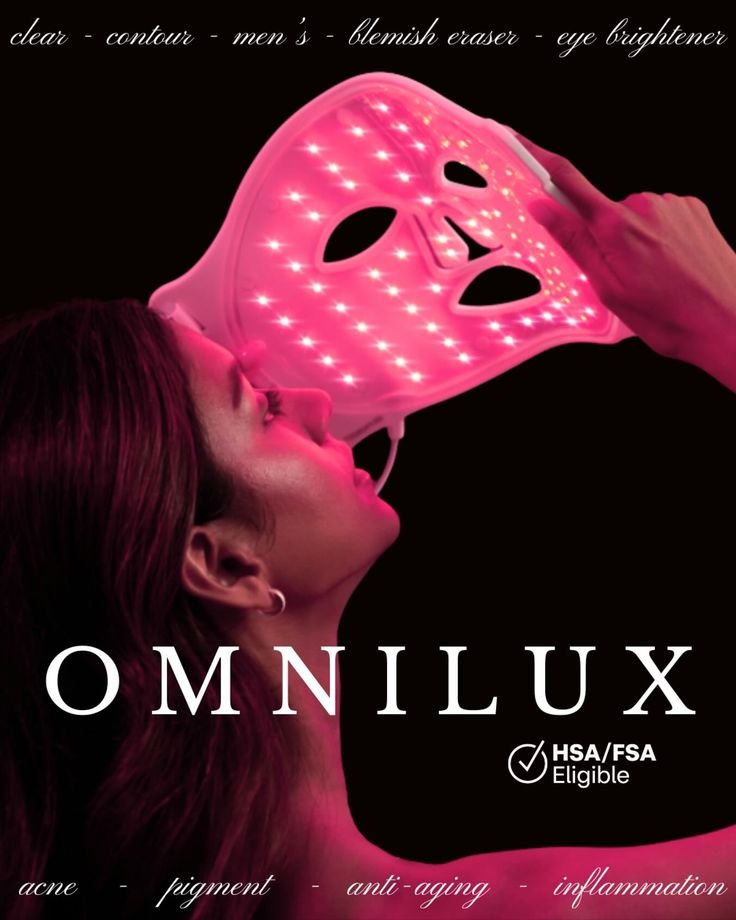
This is where I’d keep expectations realistic.
LED therapy isn’t the same thing as an overnight facelift.
If you’re expecting your face to look dramatically different after one week, this probably isn’t the type of device you’re looking for.
The available research around red and near-infrared LED therapy points more toward gradual changes in areas such as the appearance of fine lines, skin texture, tone and overall skin quality.
For example, an earlier clinical study of 633nm and 830nm LED treatment reported improvements in photoaging measures, with 52% of participants showing a 25–50% improvement in photoaging scores at week 12.
Another published study using Omnilux LED treatment reported that 91% of participants reported improved skin tone and 82% reported improved skin smoothness at 12 weeks.
Again, these findings shouldn’t be turned into a promise for the Contour Face.
Your skin, treatment consistency, starting condition and overall routine can all affect what you notice.
And that’s probably the most sensible way to look at an LED mask:
it’s a routine-based skincare device, not a shortcut.
Where the Omnilux Contour Face Makes Sense
I think the device makes the most sense for someone who wants a dedicated LED treatment rather than an all-in-one beauty gadget.
If you already enjoy skincare routines and can realistically commit to repeated treatments, the 10-minute format is convenient.
If you want to see how a more feature-heavy LED beauty device compares, check out our 7-Color LED facial massager for face and neck.
It’s also a good fit for someone who is specifically interested in red and near-infrared light rather than wanting blue light for acne-focused treatment.
That’s an important limitation.
The Contour Face isn’t designed to be an everything-in-one acne device. Its focus is red and near-infrared light.
If you’re comparing it with something like a multi-function device, the difference becomes obvious.
For readers who prefer LED specifically, that simplicity can actually be a positive.
What I Don’t Love About It
The biggest problem is the price.
The Omnilux Contour Face sits firmly in the premium beauty-device category, so this isn’t an impulse purchase for most people.
And because LED results are generally gradual, you’re paying a substantial amount for a device that requires repeated use before you can fairly judge whether it fits your expectations.
The design also isn’t perfect for every face.
The Independent found it comfortable and portable overall but reported that it could feel uncomfortable around the nose and somewhat large on smaller faces.
Another limitation is that there’s no huge menu of treatment modes.
Some people will see that as boring.
I actually think it’s one of the device’s selling points.
If you want an LED mask that does red light, blue light, cooling, heating, massage and several other things, this isn’t that product.
If you want a focused red/NIR device, the simplicity becomes much easier to appreciate.
How It Compares With Other Beauty Devices
This is where the Omnilux Contour Face fits nicely into a growing home-device category.
If you’re looking for a device that combines LED with several other facial technologies, our TheraFace PRO review takes a closer look at that all-in-one approach.
The broader point is that these devices shouldn’t all be judged by the same standard.
A microcurrent device is trying to do something different from an LED mask.
A cleansing device is solving another problem.
And a multi-function device such as TheraFace PRO is intentionally designed to combine several technologies.
The best choice depends on the result you’re actually trying to target.
Is Omnilux Contour Face Worth It?
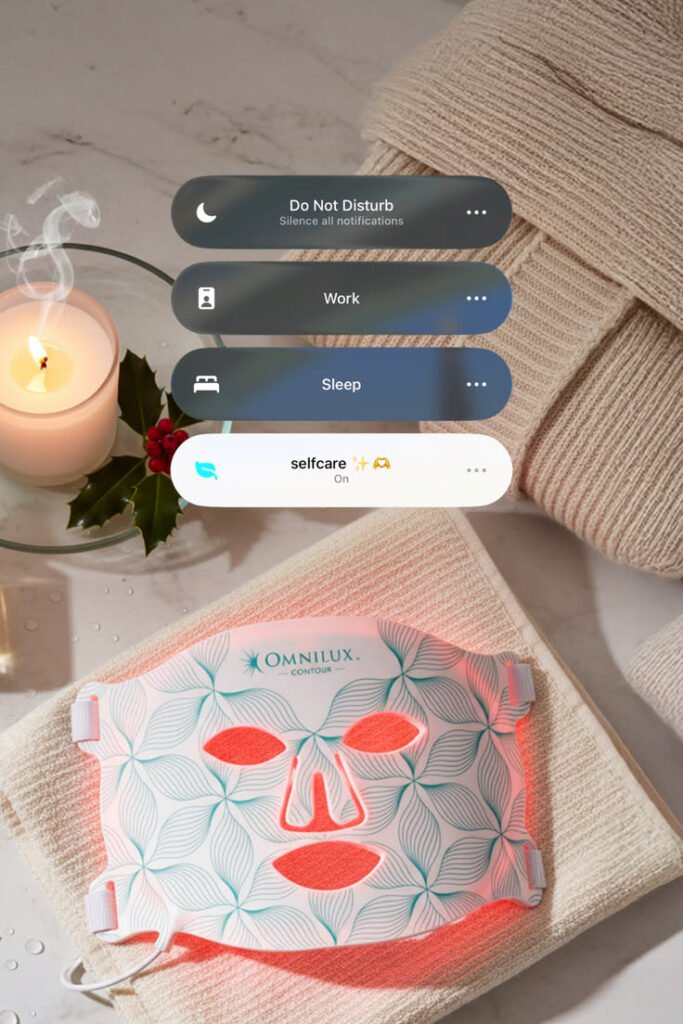
So… is Omnilux Contour Face worth the hype?
I think it’s one of the more interesting LED masks for people who specifically want red + near-infrared LED therapy and are willing to commit to regular use.
Its strengths are pretty clear: a focused treatment approach, a flexible design, a short 10-minute session and wavelengths that have been studied in the broader LED-light-therapy literature. Omnilux itself lists 633nm and 830nm as the device’s two wavelengths and recommends its specific treatment regimen.
But I wouldn’t buy it because social media makes LED masks look magical.
I’d buy it only if the following description sounds like you:
You want a dedicated LED device, you’re comfortable with gradual rather than instant cosmetic changes, and you’ll actually use it consistently.
If that sounds like you, the Omnilux Contour Face has a strong case.
If you know you’ll use it twice and leave it in a drawer, the premium price becomes much harder to justify.
If you’d rather explore a multi-mode K-beauty device instead of a dedicated LED mask, you can also read our MEDICUBE AGE-R Booster Pro review.
And that’s probably the most important takeaway from this review:
The technology matters, but consistency matters too.
Bottom line
Best for: People specifically looking for a dedicated red + near-infrared LED facial device.
Main strengths: 633nm + 830nm wavelengths, flexible silicone design, 10-minute treatment format and a focused approach.
Main drawbacks: Premium price, gradual results and a fit that may not be equally comfortable for every face.
Verdict: A serious LED-focused beauty device rather than just another viral skincare gadget — but only worth the investment if you’re prepared to use it consistently.
FAQ
What is the Omnilux Contour Face?
The Omnilux Contour Face is a flexible at-home LED facial device that uses 633nm red light and 830nm near-infrared light. Omnilux says it is designed to reduce the appearance of fine lines and wrinkles and improve the appearance of skin tone and firmness.
What wavelengths does Omnilux Contour Face use?
The Contour Face uses 633nm red light and 830nm near-infrared light. Omnilux says both wavelengths are delivered simultaneously through its dual-chip LED design.
How long do you use the Omnilux Contour Face?
The manufacturer’s current instructions recommend a 10-minute treatment. Omnilux currently recommends three to five 10-minute treatments per week for four to six weeks, followed by maintenance treatments as desired.
Does Omnilux Contour Face use blue light?
No. The Contour Face is specifically a red and near-infrared LED device. Omnilux offers separate products designed around blue-light treatment.
Is Omnilux Contour Face FDA-cleared?
Omnilux describes the Contour Face as FDA-cleared for the treatment of full-face wrinkles. The company also lists CE and TGA certifications for the device.
Does the Omnilux Contour Face really work?
There is research supporting red and near-infrared LED therapy, and Omnilux publishes clinical information relating to its technology. However, individual results can vary and should not be guaranteed. Published research has reported improvements in some measures of skin appearance following LED treatment, but those findings should not be interpreted as a guarantee of the same results for every Omnilux Contour Face user.
How soon can you see results from Omnilux Contour Face?
LED therapy should be approached as a gradual process rather than an overnight transformation. Omnilux recommends consistent use over several weeks, and published research on red and near-infrared LED treatment has generally evaluated results over multiple weeks rather than after a single treatment.
Can you use skincare products underneath the Omnilux mask?
Omnilux recommends using the device on clean, dry skin so that products do not create a barrier between the LEDs and your skin. Readers should follow the manufacturer’s current instructions regarding skincare products and treatment.
Is the Omnilux Contour Face comfortable?
The answer can depend on the individual. Its flexible silicone construction allows the mask to sit close to the face, but the fit and comfort may vary depending on face shape and personal preference.
Is Omnilux Contour Face good for acne?
The Contour Face is primarily designed around red and near-infrared light and is not the same as an acne-focused blue-light device. If active acne is your main concern, consider a device specifically designed and indicated for acne treatment.
Is Omnilux Contour Face worth the money?
It can make sense if you specifically want a dedicated red and near-infrared LED mask and are prepared to use it consistently. If you want several different technologies in one device, a multifunction beauty device may be a better fit.
Editorial note: This review is based on Omnilux’s published product information, available clinical research, manufacturer-reported testing, and independent editorial coverage. Anayzas has not independently laboratory-tested the device and does not guarantee individual cosmetic results. Product specifications, prices, availability, and manufacturer instructions can change, so readers should check the manufacturer’s current information before purchasing or using the device.