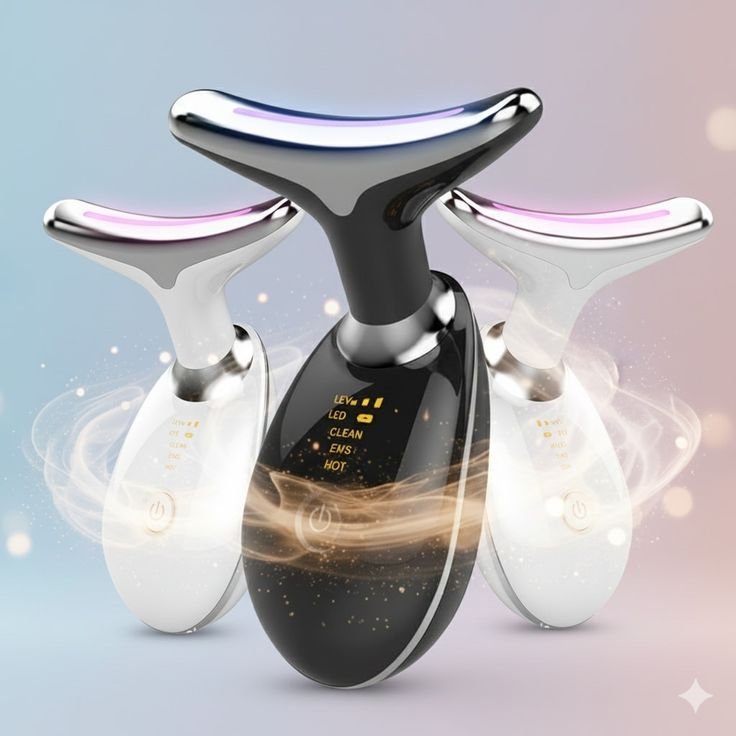
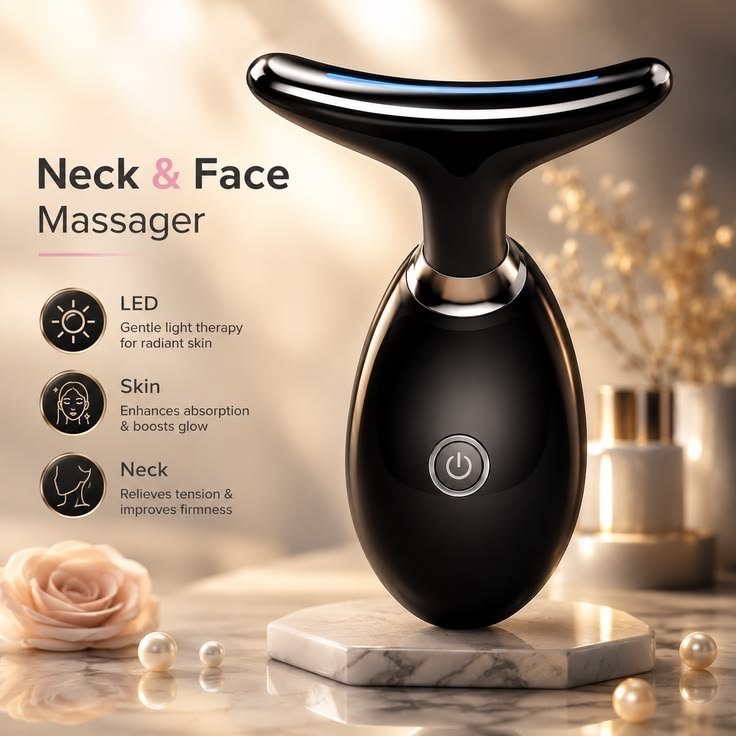
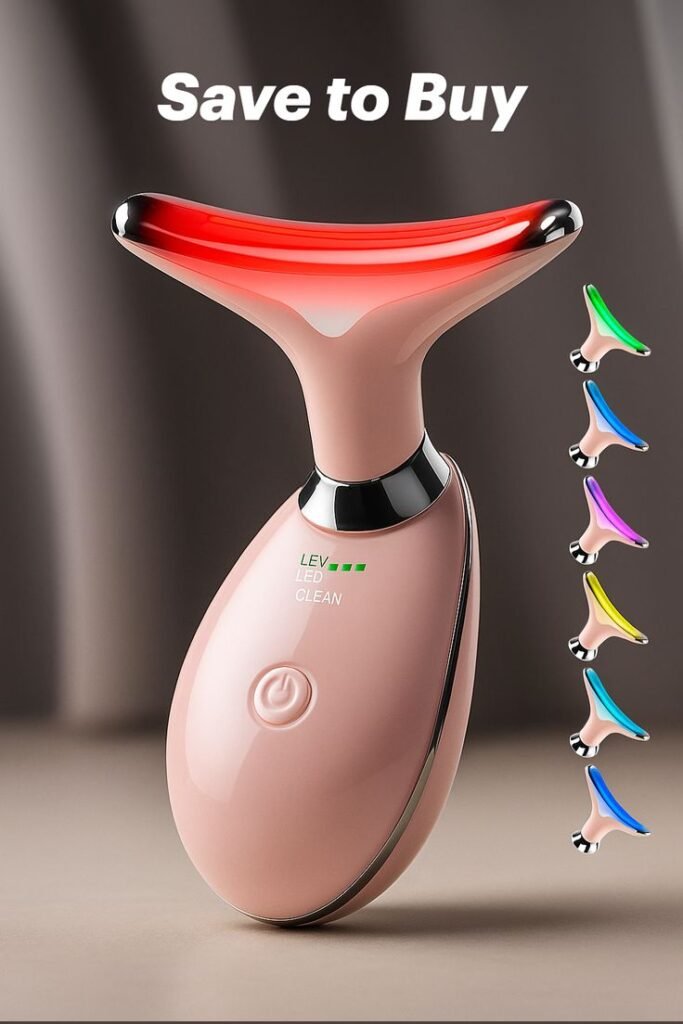
This 7-color LED face and neck beauty device combines light therapy, vibration, warmth, and microcurrent-style functions in one handheld tool. See what it actually offers, what the colors mean, and what to check before buying.A Small Beauty Gadget With a Lot Going On
Some skincare devices are built around one main idea. This one is different.
The device shown here is a compact handheld tool designed to be moved across the face and neck. Matching product listings describe versions that combine seven LED light modes with vibration, warming/thermal treatment, and microcurrent or ionic functions rather than relying on light therapy alone.
That sounds impressive at first, but it also creates an obvious question:
Do you actually need seven light colors and several treatment functions in one small device?
That is a better question than simply asking whether it “works.”
The product category is clearly designed around convenience. Instead of buying separate tools for facial massage, warmth, LED light, and electrical stimulation, the idea is to combine several features into one rechargeable device.
For someone who likes experimenting with beauty technology, that can be genuinely appealing.
But the marketing language around these devices can get ahead of the evidence. Claims such as lifting, firming, wrinkle reduction, collagen support, brightening, or “skin tightening” should be treated as intended cosmetic benefits, not guaranteed outcomes.
The Design Makes More Sense Once You Look at How It Is Used
The device has a curved treatment head and a handle that makes it easy to guide across the jawline, cheeks, forehead, and neck.
Matching listings describe versions with high-frequency vibration, ionic functions, microcurrent, and constant-temperature heat, while some also specify that the device only vibrates when the treatment head makes contact with the skin.
That contact-based design is practical.
You are not wearing it like a mask and waiting for a timer to finish. You have to move it across the treatment area yourself, which means the experience is closer to using a facial massage tool with added technology.
The downside is equally simple: your technique becomes part of the experience.
If you rush through the treatment, hold the device in one spot for too long, or use it differently from the manufacturer’s instructions, the actual experience can be very different from what the product page suggests.
Seven Colors Look Fun, but the Color Count Isn’t the Main Story
The most noticeable feature is probably the 7-color LED system.
Listings for matching versions describe seven different light modes and attach different cosmetic purposes to those colors. Some sellers associate red with firmness or collagen-related claims, blue with blemish concerns, green with tone, and other colors with calming, brightening, or recovery claims.
This is where I would be careful.
There is legitimate evidence behind specific red and blue light applications, but that does not mean every color in a generic seven-color beauty device has been independently validated for the specific skincare benefit printed on its product page.
The American Academy of Dermatology notes that some at-home visible-light devices using blue, red, or blue-and-red light are used for acne, but these devices are less powerful than professional systems and visible light is mainly useful for pimples—not blackheads, whiteheads, cysts, or nodules.
So I would not buy this kind of device simply because it offers “seven colors.”
The more useful questions are:
What wavelengths does it actually use?
What output does it provide?
What does the manufacturer document about each mode?
Without those details, the number seven is mostly a marketing feature rather than proof of seven different clinical effects.
If you’re more interested in a dedicated light-based treatment rather than a handheld multi-function tool, our guide to LED light therapy masks for home skincare takes a closer look at wavelengths, treatment schedules, comfort, and what to check before buying.
Red Light Is the Part With the Most Familiar Skincare Research
Red-light therapy is much easier to research than the full “seven-color” package.
The American Academy of Dermatology describes red and near-infrared light as forms of non-invasive photobiomodulation used in some dermatology settings for concerns including wrinkles and other signs of skin aging. It also notes that at-home devices are generally less powerful than those used by dermatologists and that more research is needed on long-term effects.
That distinction matters with this device.
If a matching product listing says red light can help with firmness or collagen, that is a product claim sitting within a broader area of research. It is not evidence that this particular generic handheld device will produce the same results seen in a controlled clinical study.
That is the kind of distinction I think buyers should look for.
A good beauty-tech product page should tell you what the device actually emits rather than simply saying “advanced photon therapy.”
Microcurrent and Vibration Give It a Different Feel From a Standard LED Tool
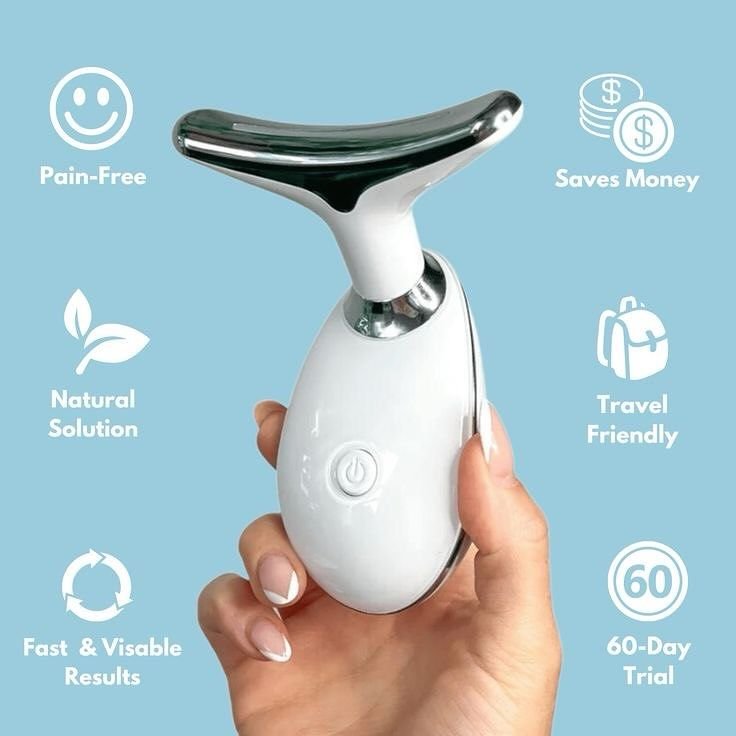
The other major difference is that this device isn’t just a light tool.
Matching listings describe microcurrent or ionic electrical stimulation combined with vibration. Some sellers position that combination as supporting facial massage, lifting, firming, or a more toned-looking appearance.
Research on home beauty devices suggests that multi-energy technologies—including light, microcurrent, radiofrequency, and ultrasound—can show improvements in some skin-aging measures, but researchers also point out that the evidence base varies considerably between devices and technologies.
That means you shouldn’t automatically transfer the results of one professionally studied multi-energy device onto a cheap generic handheld tool.
The reasonable way to think about the microcurrent feature is as one part of the device’s cosmetic experience, rather than proof that it will permanently lift facial tissue or remove wrinkles.
Heat Sounds Like a Small Feature Until You Actually Use It
Matching versions of this device are also described as having constant-temperature warming, with one listing specifying approximately 45°C.
Warmth can make a facial treatment feel more relaxing, and some versions are marketed around cleansing, hydration, or helping skincare products spread over the skin.
But “warm” should not automatically become “better absorption” or “deeper penetration” in your mind.
If you’re considering a device with heat, the more useful questions are whether the temperature is controlled, how long the warming function runs, and what the manufacturer says about safe contact with the skin.
That is especially important because the device is intended to be moved over the face and neck rather than simply held away from the skin.
The Device Is More Interesting for Convenience Than for Miracle Results
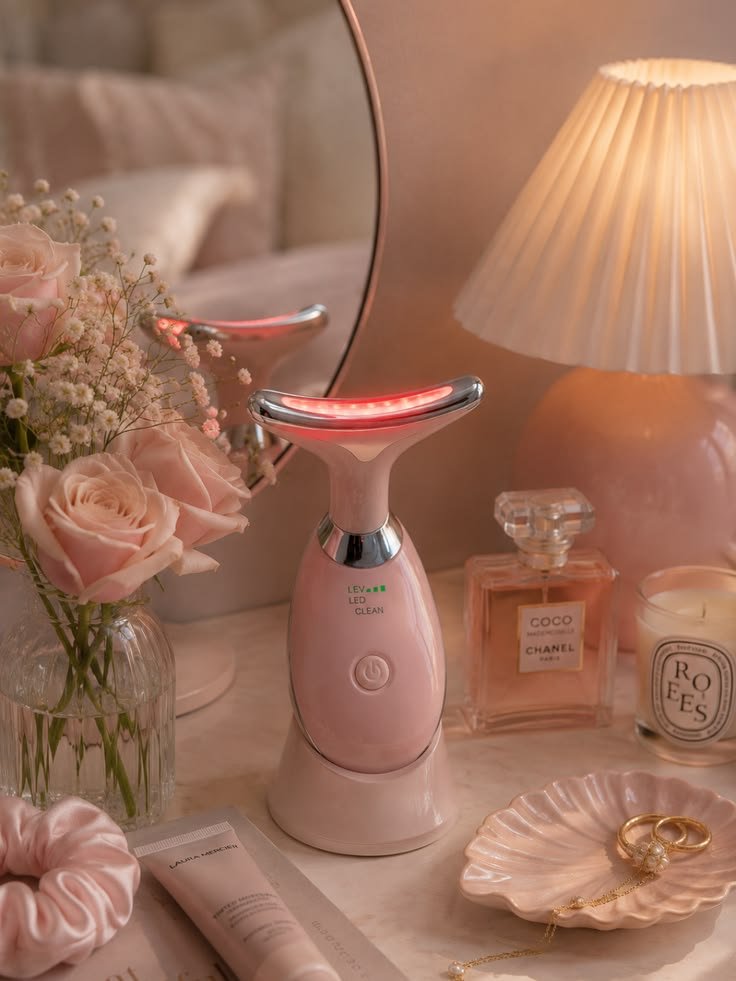
This is probably the strongest reason someone might actually enjoy using it.
Instead of having an LED mask, a facial roller, and a separate warming tool, the handheld device puts several functions in one small body.
Some matching listings describe a rechargeable battery and USB charging, with one specifying around two hours of charging time. One product listing also says the device cannot be used while charging.
There are also versions with automatic timing or standby behavior. One matching listing states that the device enters standby after four minutes and shuts off after a period of inactivity.
Those practical details matter more to me than a long list of beauty claims.
A device that’s simple to charge, easy to hold, and quick to use is much more likely to become part of a real routine.
What the Manufacturer Instructions Matter More Than the Marketing
This is where a device like this needs a little caution.
One matching product listing says each mode should be used only once a day and recommends using the modes successively once per day. It also says a slight current sensation can be normal with its ionic microcurrent function.
The same listing specifically advises against use in certain situations, including after facial cosmetic surgery, with subcutaneous metal implants, and during pregnancy; it also lists additional restrictions. Those are manufacturer-specific instructions, not a universal rule for every seven-color device, so buyers should read the manual that comes with their exact unit.
That’s an important distinction.
Don’t assume that an identical-looking device from another seller has exactly the same electrical output, temperature, treatment schedule, or warnings.
The Face Is Not the Only Place This Device Is Marketed For
The image and product listings clearly position this category as a face-and-neck beauty device.
Some matching listings also market similar versions for other body areas, but I’d keep expectations narrower for this article and focus on the face, jawline, and neck because that’s how the pictured device is presented.
For the neck in particular, I would treat phrases such as “swan neck,” “double-chin reduction,” or “neck lifting” as promotional language rather than established outcomes for the device.
A handheld beauty tool may temporarily make skin look more refreshed or create a massage-like experience, but that is very different from permanently changing the structure of the neck.
A Better Way to Judge This Device
If I were deciding whether this kind of tool belongs in my routine, I wouldn’t start with the seven colors.
I’d look at:
The actual wavelength information.
Does the seller provide real numbers rather than just color names?
The electrical specifications.
If microcurrent or EMS is advertised, is there meaningful information about the technology?
The temperature.
If there is a heating function, is the temperature stated and controlled?
The treatment instructions.
Does the manufacturer provide a clear routine instead of simply saying “use daily”?
The warranty and support.
Who do you contact if the device stops charging?
The return policy.
This matters even more for an electronic beauty tool.
The exact model.
A generic product photo can appear across several shops, so model identification matters before trusting specifications.
The Low Price Can Be a Strength—and a Warning
One reason these seven-color face and neck devices are everywhere is that many versions are inexpensive.
Marketplace listings show multiple variations at relatively low prices, sometimes with thousands of reviews or large sales numbers.
That makes the category accessible, but it also means quality can vary.
A low price isn’t automatically a red flag. It becomes a red flag when a seller gives you huge promises and almost no technical information.
If the listing tells you that the device can lift, tighten, erase wrinkles, brighten skin, improve circulation, reduce double chins, increase collagen, cleanse pores, and solve every skincare problem imaginable—but doesn’t tell you what the light wavelengths are—I’d slow down.
Where This Device Fits in a Real Skincare Routine
I see this type of tool as an optional add-on, not the foundation of a skincare routine.
Your basic routine still matters far more:
cleanse → moisturize → protect from UV exposure → use targeted products when appropriate.
The device can sit around that routine if you enjoy using it and the instructions are appropriate for you.
That mindset also keeps expectations realistic.
You’re not buying a replacement for sunscreen, a dermatologist, or a well-designed skincare routine.
You’re buying a small piece of beauty technology that may make your routine more interesting and, depending on its verified specifications and consistent use, may offer some cosmetic benefits.
Who Should Think Twice Before Using It?
If the device includes electrical stimulation, heat, and light rather than light alone, reading the safety information becomes even more important.
The American Academy of Dermatology recommends discussing at-home red-light therapy with a dermatologist when there are concerns about medical conditions, photosensitizing medications, or whether the treatment is appropriate for your skin. It also recommends following the manufacturer’s eye-protection instructions.
That advice becomes particularly relevant when a generic device combines multiple technologies.
Don’t assume that “beauty device” means universally safe for everyone.
And if the exact product manual says not to use it with certain implants, after cosmetic procedures, or in certain circumstances, follow that guidance rather than relying on a generic internet tutorial.
The Real Question Is Whether You’d Actually Use It
This is probably the most practical way to look at the device.
The seven colors sound exciting.
The vibration sounds relaxing.
The warming function sounds luxurious.
Microcurrent adds another layer of technology.
But none of those features matter if the device ends up in a drawer.
For someone who enjoys short skincare rituals and wants a compact face-and-neck gadget, the concept is genuinely interesting.
For someone who wants one scientifically validated treatment for a specific skin condition, I’d be much more careful and would look for a device with clearly documented specifications and an appropriate regulatory clearance for its intended use rather than relying on a generic “7-color” label. The FDA classification database, for example, distinguishes specific light-based devices intended for acne and lists devices that have undergone 510(k) review.
Is this 7-color LED device the same as a professional LED treatment?
No. At-home devices are generally less powerful than devices used by dermatologists, and the exact output and wavelengths vary between products.
Does every LED color have a proven skincare benefit?
No. Red and blue light have more established research and regulatory context for particular uses, while sellers may make broader claims about other colors without equivalent evidence for that exact device.
Can this device permanently lift the face or neck?
You should not assume that. “Lifting” and “firming” are common cosmetic marketing terms for these devices, but that does not establish a permanent structural lift.
Does the device use microcurrent?
Matching versions of this generic device are advertised with microcurrent or ionic electrical functions, but the exact specifications can differ between manufacturers and sellers. Check the manual and product specification page for the exact model you are considering.
Does it get warm?
Some matching versions include constant-temperature heat, with one listing specifying approximately 45°C. Because generic versions differ, verify the temperature for the exact device before purchase.
Can I use it every day?
Follow the instructions for the exact model. One matching product listing recommends each mode no more than once daily, but that instruction should not be assumed to apply to every visually similar device.
Is this a good first skincare device?
It could be appealing if you want an inexpensive multi-function beauty tool, but I’d choose based on verified specifications, safety information, warranty, and realistic expectations, not simply the number of light colors.