Thinking about buying a Seiko watch? This honest Seiko review looks beyond the logo at Seiko 5 Sports, Presage, Prospex, movements, design, comfort, value and the compromises buyers should know before spending their money.
Seiko is one of those watch brands that can look almost too familiar.
You see the name everywhere. There are affordable automatic watches, dive watches, dressier Presage models, GMTs, solar pieces, field watches and plenty of limited editions. That huge range is part of Seiko’s appeal, but it can also make the brand surprisingly difficult to judge as a whole.
One Seiko can feel like an obvious everyday buy. Another can look and feel much more refined. A third might have a great design but leave you questioning whether the specifications justify the price.
That is the interesting part of Seiko.
It isn’t really one watch brand experience.
It is a large collection of watches built around different priorities, from everyday mechanical watches in Seiko 5 Sports to more specialized Prospex models and the more design-focused Presage range. Seiko’s current lineup also includes King Seiko, Astron and other collections.
So instead of treating Seiko like a single product, this review looks at the brand from the buyer’s point of view: what makes Seiko attractive, where the compromises appear, and which type of buyer is most likely to appreciate it.
The Seiko Appeal Starts With Choice
The easiest thing to like about Seiko is the sheer variety.
Someone looking for a casual mechanical watch can look at Seiko 5 Sports. Someone who wants something more refined can move toward Presage. A buyer interested in diving and outdoor use has Prospex. There are also GMT, solar, quartz and other options throughout the wider catalog.
Seiko itself currently lists collections including King Seiko, Prospex, Presage, Astron and 5 Sports, giving the brand a much broader range than the typical affordable-watch label suggests.
That variety matters because watches are unusually personal purchases.
A specification sheet might tell you that one model has a certain movement or water-resistance rating. It cannot tell you whether you will actually enjoy wearing the watch six months later.
And real enthusiast discussions repeatedly come back to exactly that point.
In one recent Seiko discussion, a buyer comparing Seiko 5 and Prospex ultimately focused on wrist comfort, thickness, movement type and personal preference rather than simply choosing the technically more expensive series.
That is probably the healthiest way to approach Seiko.
Don’t automatically assume the more expensive line is the better watch for you.
Seiko 5 Sports Is Still the Easy Entry Point
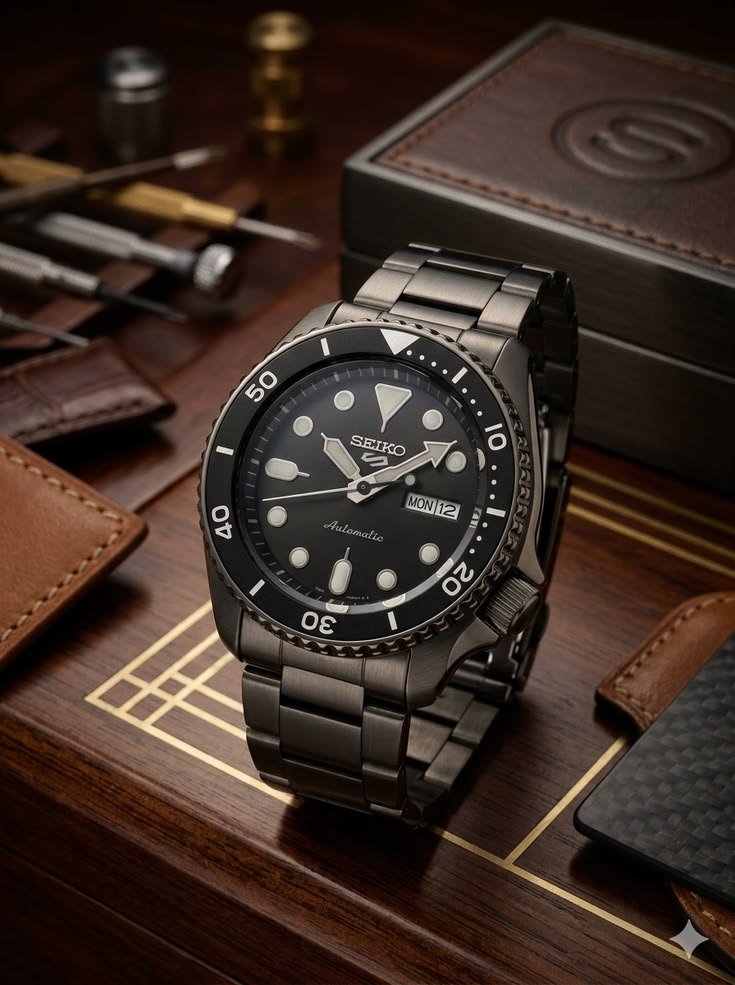
If someone told me they wanted their first mechanical Seiko, Seiko 5 Sports would be one of the first families I’d investigate.
The collection has been around for decades, and Seiko says the line has delivered reliability, durability, performance and value for more than 50 years. The modern collection includes SKX-inspired, field and SNXS series designs.
The current range also shows how broad Seiko 5 Sports has become.
There are regular three-hand models, GMT versions and numerous colors and case designs. Current official listings include models such as the SSK003 and SSK001, alongside a variety of other 5 Sports references.
The appeal isn’t necessarily luxury finishing.
It is the feeling that you can buy a proper mechanical watch with personality without needing to treat it like a museum piece.
That’s a big difference.
A Seiko 5 Sports can be the watch you wear with jeans, sneakers, a casual shirt or a weekend outfit without constantly worrying about whether you’re wearing something too precious.
And the enthusiast community clearly understands that appeal. Owners regularly describe Seiko 5 watches as pieces they continue reaching for even after buying more expensive watches.
The Movement Is Good, but Don’t Romanticize It
Mechanical movements are one of the reasons people become interested in Seiko in the first place.
But this is also where expectations need to stay realistic.
Many Seiko 5 Sports models use the 4R36 automatic movement, which includes practical features such as hand-winding and hacking seconds. Seiko’s own 55th-anniversary Seiko 5 Sports recreation, for example, uses the 4R36.
That makes the watch mechanically interesting without turning it into something unnecessarily complicated.
But a mechanical Seiko is still a mechanical watch.
Accuracy can vary.
Position, temperature, wear, magnetic exposure and the individual movement itself can influence how a mechanical watch performs.
That is why buying a Seiko because you expect quartz-level accuracy would be the wrong mindset.
Buy the mechanical model because you enjoy the mechanical experience.
If absolute accuracy is your priority, Seiko’s wider catalog includes quartz and solar options that make more practical sense.
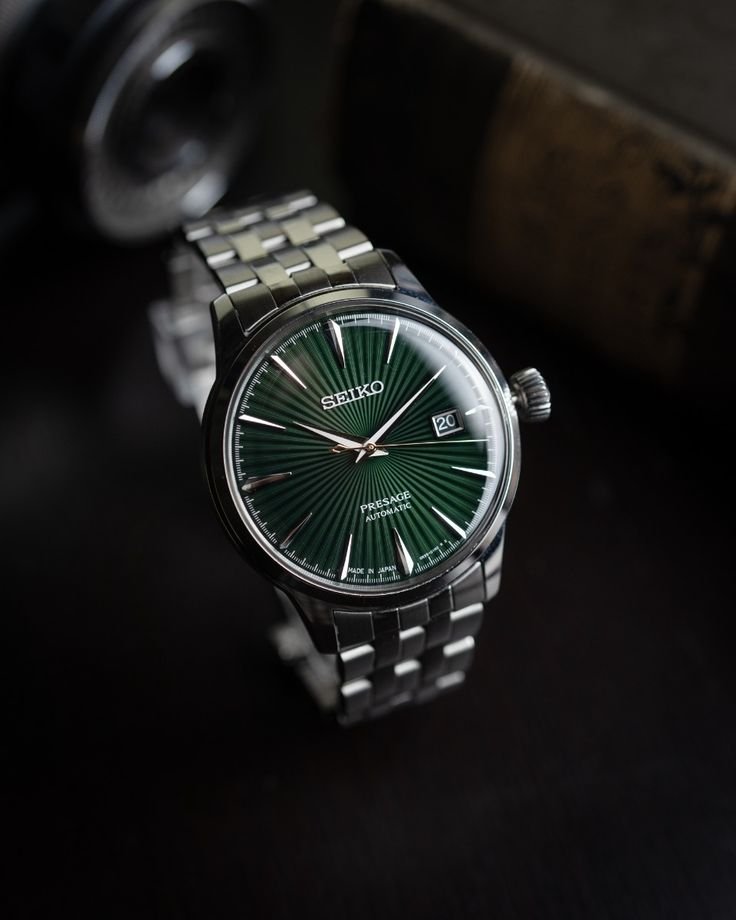
Presage Is Where Seiko Gets Seriously Pretty
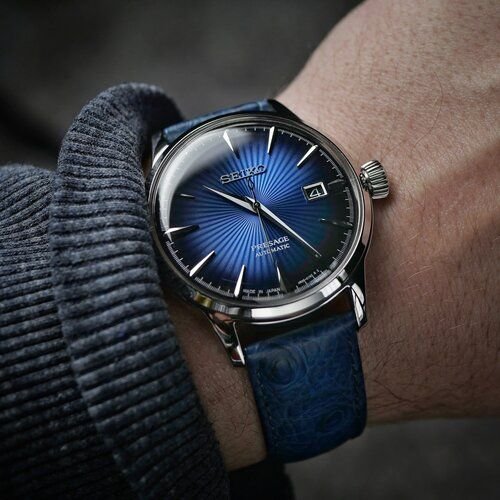
For me, this is one of the most interesting parts of the Seiko catalog.
Presage shows that Seiko isn’t only about sporty watches.
The collection is known for dial-focused designs, traditional Japanese influences and dressier proportions across different models. Current Seiko releases continue to expand the Presage family, including new Classic Series models.
And this is something enthusiasts consistently notice.
In watch-community discussions, Presage dials are repeatedly praised for their colors, texture and visual depth. One long-running enthusiast discussion specifically highlights Seiko’s Presage dials as particularly impressive at their price level.
That matters because the dial is what you actually look at.
You can spend hours comparing movements, crystals and specifications, but if the dial doesn’t excite you, none of that matters when the watch is sitting on your wrist.
Presage is therefore a strong option for someone who wants a Seiko that feels more polished and dress-oriented.
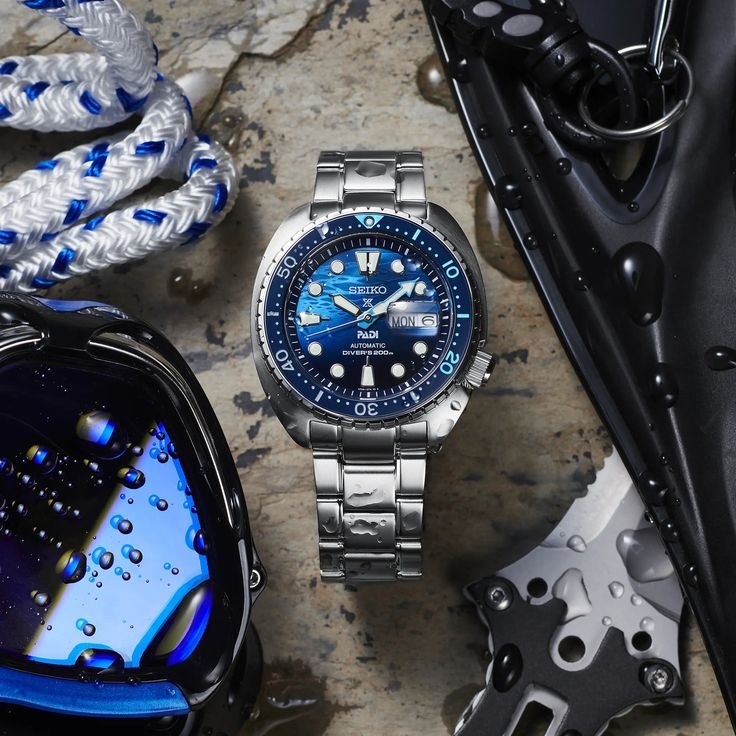
Prospex Plays a Completely Different Game
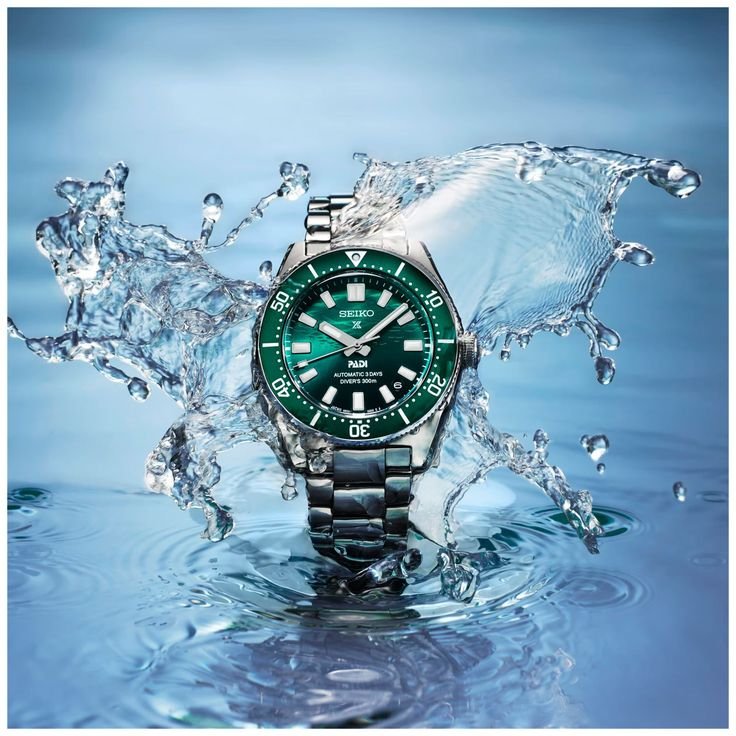
Then there is Prospex.
This is where Seiko moves toward professional-style sports watches, diving watches and more serious outdoor use.
The important thing here is not simply that Prospex costs more than Seiko 5.
It is that the design philosophy changes.
Prospex models are generally built around stronger tool-watch identities, and some are intended for genuinely demanding environments. Seiko’s current catalog includes a substantial Prospex range, including divers and newer heritage-inspired releases.
That distinction becomes obvious when enthusiasts compare Seiko 5 and Prospex.
In one recent discussion, owners pointed out that wrist size, thickness, comfort and even whether someone prefers quartz or automatic mattered more than simply moving up the product hierarchy.
That’s worth remembering.
Prospex isn’t automatically better just because it sits higher in the lineup.
If you’re comparing Seiko’s sportier side with the wider world of everyday sports watches, our Sports Watch Buying Guide 2026 breaks down the features that actually matter before you buy.
If you prefer the lighter, more casual personality of a Seiko 5, spending more may not improve your experience.
The Dial Work Is Often the Star
Seiko has a particular strength that specifications don’t fully capture: dial design.
This is especially obvious with Presage, but it appears throughout the brand.
Colors can change dramatically under different lighting. Textured surfaces can make relatively simple watches feel much more interesting. Some models deliberately use vintage-inspired details, while others lean into modern sports styling.
That visual personality is one reason Seiko watches have such a strong enthusiast following.
A buyer may initially arrive because of the price or movement.
Then the dial becomes the reason they actually buy it.
One owner describing their first Seiko 5 GMT said they eventually became so attached to the brand that they bought additional Seiko watches, including a Presage.
That’s a recurring theme with Seiko.
The watches can become collectible almost by accident.
There Are Some Things I Wouldn’t Ignore
Seiko isn’t perfect.
And pretending otherwise would make this review much less useful.
The enormous catalog can make choosing a model confusing.
Two watches can look similar while having meaningful differences in movement, crystal, dimensions, water resistance, bracelet and intended use.
The enthusiast community also frequently discusses issues such as case thickness, bracelet quality, alignment and movement accuracy. These concerns aren’t necessarily universal across every model, but they are worth checking before buying a specific reference.
For example, one recent buyer comparing Seiko 5 and Prospex specifically mentioned thickness and wrist comfort as deciding factors.
Another enthusiast discussion about Presage emphasized that specifications can change significantly between entry-level and higher-tier models, including differences in movement and crystal.
So don’t shop for “a Seiko.”
Shop for the exact Seiko reference.
That’s probably the single most useful buying lesson here.
Hardlex Isn’t Automatically a Deal Breaker
Crystal choice is another area where buyers can become overly focused on specifications.
Some Seiko models use Hardlex rather than sapphire.
Sapphire generally offers stronger scratch resistance, so buyers who are particularly hard on their watches may prefer it.
But that doesn’t automatically make every Hardlex-equipped Seiko a bad purchase.
The entire watch has to be considered together.
If you love the case, dial, proportions and movement, and the watch is priced appropriately, the crystal alone shouldn’t necessarily eliminate it.
On the other hand, if two similarly priced watches offer noticeably better specifications elsewhere, crystal type can become part of the decision.
The important thing is to judge the whole package, not one specification in isolation.
Wrist Size Matters More Than the Product Page Suggests
This is one area where watch shopping becomes very personal.
A watch that looks perfect in photographs can feel completely different once it is on your wrist.
Thickness, lug shape, bracelet articulation and case diameter all influence the experience.
Recent Seiko community discussions show exactly this problem. Some owners have found certain Seiko 5 models too thick for smaller wrists, while others prefer the same watches because of their sporty proportions.
Another buyer discussing a Presage model described feeling that a particular watch wore too much like a “brick” despite liking its appearance.
So if you’re buying an expensive Seiko, trying it on first is a genuinely useful step.
And if you’re thinking about how a watch actually works with the rest of your outfit, our 5 Watch Mistakes That Ruin Your Overall Look covers a few styling details that are easy to overlook.
Especially if you have a smaller wrist.
Seiko’s Biggest Strength Might Be Personality
There are watches that are technically impressive.
Then there are watches that you actually want to wear.
Seiko has spent decades building the second kind.
The brand doesn’t have to make every watch the thinnest, most luxurious or most technically advanced option available.
It just has to give people watches with enough personality to make them want to put one on.
That explains why enthusiasts can own several Seikos while still looking at another one and thinking, I wouldn’t mind having that.
The current catalog makes that temptation even easier, with everything from Seiko 5 Sports and Presage to Prospex and King Seiko.
Who Seiko Makes the Most Sense For
Seiko is particularly appealing if you:
- want your first mechanical watch
- like Japanese watchmaking
- care about dial design
- want a watch with personality rather than a generic fashion label
- want a broad selection of styles
- enjoy changing straps and experimenting with your look
- want something casual enough for everyday use
- are interested in mechanical watches without immediately entering luxury-watch pricing
It can also make sense for experienced collectors.
That’s one of the brand’s unusual strengths.
A beginner can appreciate Seiko.
A collector can appreciate Seiko.
They may simply choose completely different models.
When I Would Look Elsewhere
Seiko isn’t automatically the right answer.
If your top priority is extreme quartz accuracy, a mechanical Seiko may frustrate you.
If you want luxury-level finishing at every point, entry-level Seiko isn’t designed for that.
If you hate thicker sports watches, some Seiko models will probably feel excessive.
And if you’re buying purely because someone told you “Seiko is the best value,” slow down.
The exact model matters much more than the logo on the dial.
That’s especially important because Seiko’s enormous catalog spans very different price points and technologies.
The Price-to-Personality Equation Works
One reason Seiko remains interesting is that the brand doesn’t rely entirely on status.
A Seiko 5 Sports can be fun because of its design.
A Presage can be attractive because of its dial.
A Prospex can appeal because of its tool-watch character.
A GMT can make sense because of the functionality.
Those are tangible reasons to own a watch.
And that’s better than buying something simply because the logo is recognizable.
Current Seiko 5 Sports pricing on the official US site, for example, places several models in the roughly $300–$500 range, depending on the reference, while the wider Seiko catalog extends considerably beyond that.
So the brand isn’t really about one fixed definition of value.
It’s about finding the point in the lineup where the watch gives you the combination you actually want.
The Seiko 5 GMT Is a Good Example of the Brand’s Formula
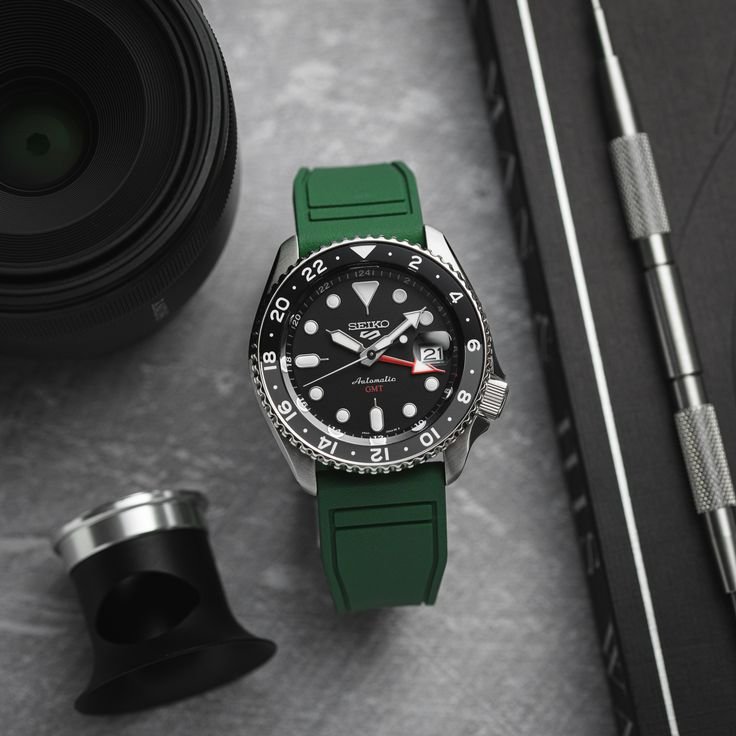
The Seiko 5 GMT range shows how Seiko can take a familiar idea and make it accessible to a much wider audience.
A recent owner described buying an SSK003 as their first Seiko and later adding a Presage to their collection. Their comments are revealing: they acknowledged that Seiko wasn’t delivering the highest level of finishing or the prettiest movement, but they still found themselves repeatedly reaching for the watch.
That’s the Seiko formula in a nutshell.
The watch doesn’t have to win every technical category.
It needs to make you want to wear it.
My Seiko Buying Strategy Would Be Simple
If I were helping someone choose their first Seiko, I wouldn’t start with the most expensive model they can afford.
I’d start with the reason they want the watch.
Everyday casual: Seiko 5 Sports.
Dressier style: Presage.
Diving or serious sports identity: Prospex.
Travel: look at Seiko’s GMT options.
Maximum convenience: consider quartz or solar rather than automatically choosing mechanical.
Then I’d narrow the search by wrist size, case thickness, crystal, movement, bracelet and water resistance.
Only after that would I worry about the exact price.
If you’re building a smaller collection where every accessory has a purpose, our Capsule Accessories Guide 2026 takes the same practical approach to putting everything together.
That approach is much less likely to leave you with an expensive watch that looks great online but doesn’t actually suit your lifestyle.
The Verdict: Seiko Still Has a Lot Going for It
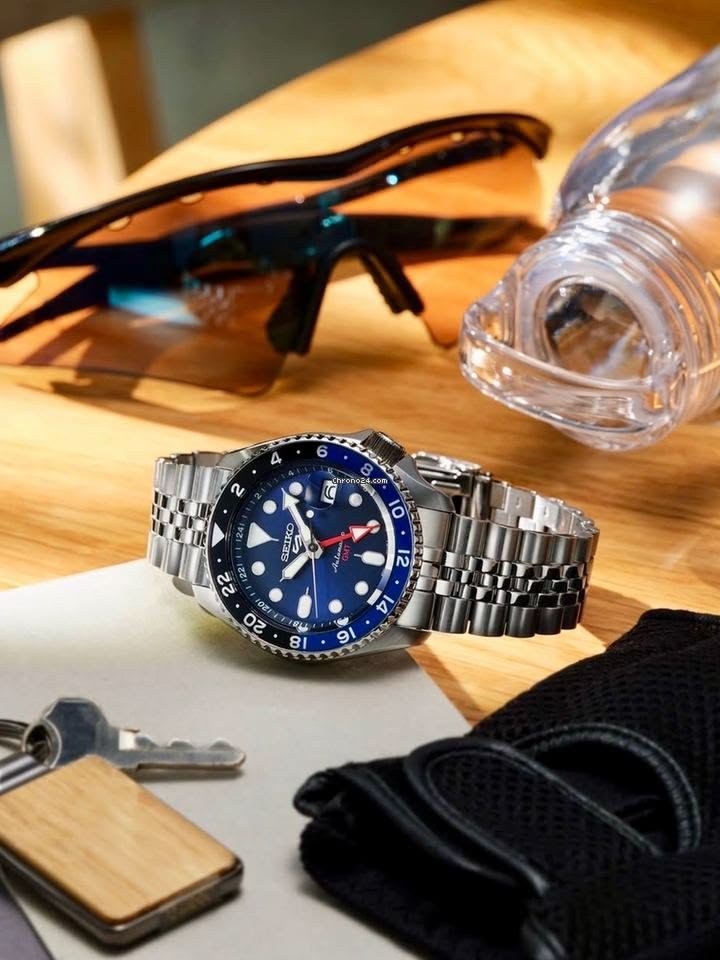
Seiko’s biggest advantage isn’t that every model is unbeatable.
It isn’t.
Some watches are better buys than others, and the huge catalog means you need to pay attention to the exact reference.
But the brand continues to do something very few watch companies manage this well: it gives buyers a reason to care about the watch itself.
The designs have personality.
The mechanical options are approachable.
The Presage collection can be genuinely beautiful.
The Prospex range has serious tool-watch appeal.
And Seiko 5 Sports remains an easy gateway into mechanical watches. Seiko itself continues to expand these collections, including new 2026 releases and anniversary models.
So, is Seiko worth considering?
Yes — but don’t buy “a Seiko.” Buy the Seiko that fits the way you actually live.
That’s where the brand makes the most sense.
Frequently Asked Questions About Seiko Watches
Is Seiko a good watch brand?
Yes. Seiko is a strong choice for buyers who value Japanese watchmaking, distinctive designs and a wide range of mechanical, quartz and solar watches. The important thing is choosing the right Seiko collection and exact model rather than judging the entire brand as one product.
Are Seiko watches worth buying in 2026?
For many buyers, yes. Seiko’s current lineup still covers a broad range, including Seiko 5 Sports, Presage, Prospex, King Seiko and Astron. The best value depends on the specific model, its movement, materials, finishing and price.
Is Seiko 5 Sports good for everyday wear?
Yes. Seiko 5 Sports is designed around everyday mechanical-watch appeal, with current models covering SKX, Field and SNXS styles. Seiko describes the collection as emphasizing reliability, durability, performance and value.
Is Seiko Presage better than Seiko 5?
Not necessarily. Presage generally focuses more heavily on classic styling and dial design, while Seiko 5 Sports has a more casual and sporty personality. The better choice depends on how and where you plan to wear the watch. Current watch coverage similarly describes Presage as more traditional and Prospex as more oriented toward sports and adventure.
Is Seiko Prospex worth the extra money?
It can be, particularly if you want a more serious sports or dive-watch design and features. Prospex includes dedicated diving, land, speed-timing and other sport-focused lines, so it serves a different purpose from an entry-level Seiko 5 Sports watch.
Are Seiko automatic watches accurate?
Mechanical Seiko watches can provide good everyday performance, but they should not be expected to behave like quartz watches. Accuracy varies by movement, individual watch and wearing conditions. If precise timekeeping is your highest priority, consider Seiko’s quartz or solar options as well.
Does Seiko make luxury watches?
Seiko operates across a very wide range of watches, from accessible Seiko 5 Sports models to higher-end collections such as King Seiko and specialized Prospex models. It is therefore more useful to look at the specific collection and reference rather than simply labeling the entire brand as affordable or luxury.
Which Seiko watch is best for a first-time buyer?
There isn’t one universal answer. Seiko 5 Sports is a natural starting point for someone who wants an accessible mechanical sports watch, while Presage can make more sense for someone who prefers a dressier design. Prospex is better suited to buyers specifically drawn to sports and dive-watch styling.
Editorial note: This review is based on Seiko’s published product information, official specifications, available watch-industry coverage, enthusiast discussions and independent editorial sources. Anayzas has not independently laboratory-tested or personally hands-on tested every watch discussed and does not guarantee individual product performance or accuracy. Specifications, prices, availability, model references and manufacturer information can change, so readers should check the current manufacturer’s information before purchasing.
Product images and visual references are included to help readers identify the products discussed and understand their appearance and features. Copyright in third-party product imagery remains with the respective rights holders unless otherwise stated.