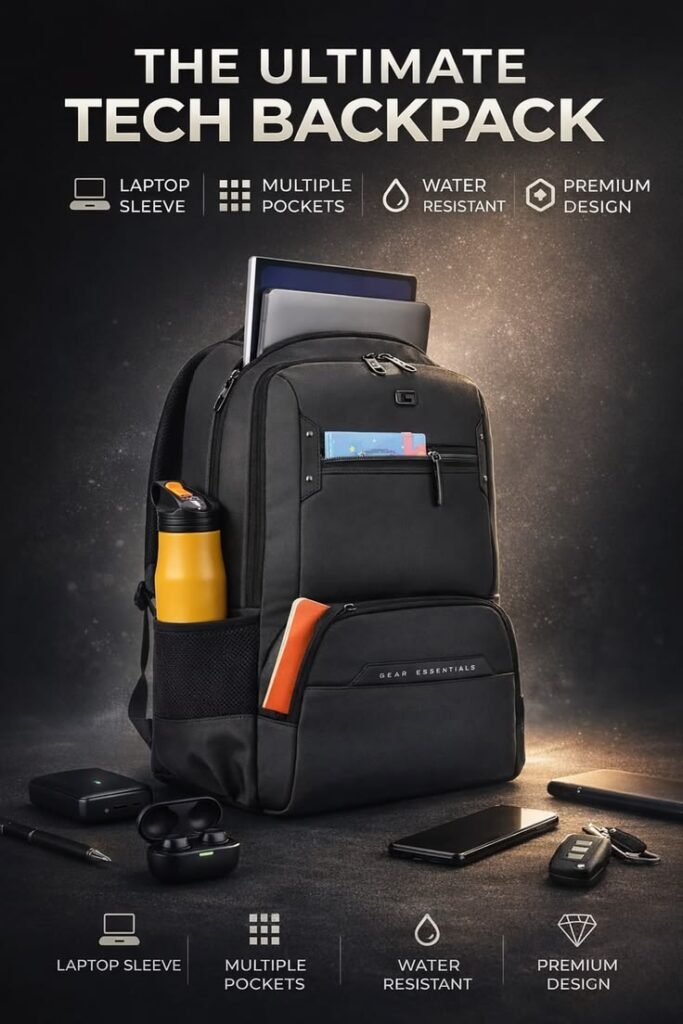
Buying a new backpack? Don’t focus on looks alone. Learn which features actually matter for work, college, travel, and everyday life so you choose a backpack you’ll enjoy using every day. Save this guide before your next purchase.
A Good Backpack Should Make Life Easier—Not More Complicated
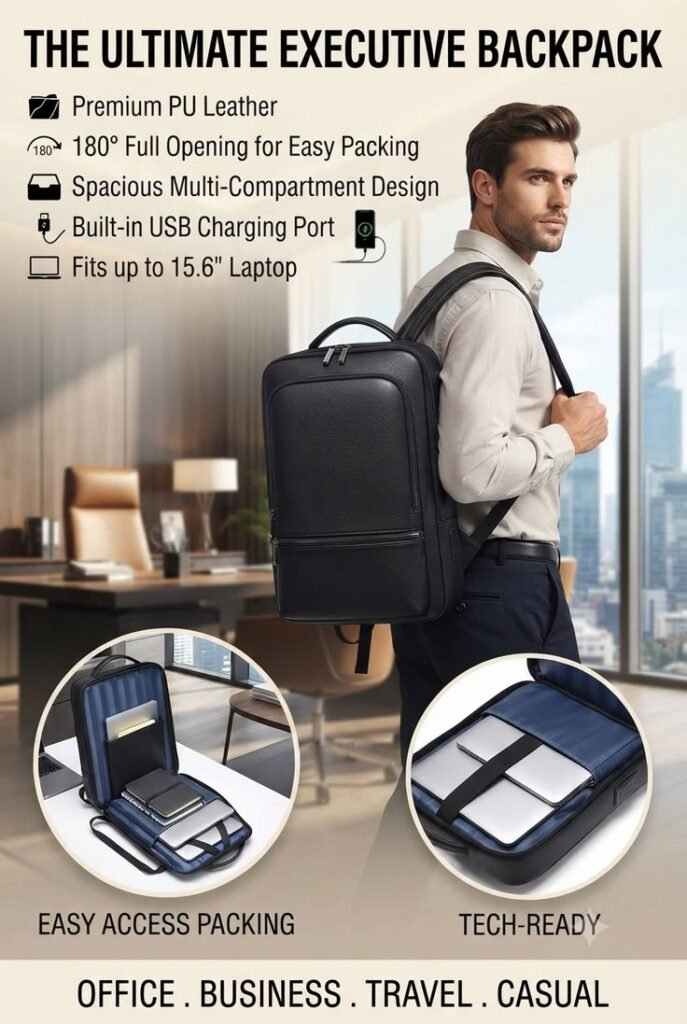
Most people don’t think much about buying a backpack.
They see a design they like, check if the color looks good, and place the order.
A few weeks later, small problems begin to appear.
The straps dig into their shoulders during a long commute.
Their laptop barely fits inside.
The zipper gets stuck every morning.
Finding keys takes longer than it should because everything ends up at the bottom of one large compartment.
Eventually, the backpack becomes something they tolerate instead of something they enjoy using.
The truth is that a backpack isn’t just another fashion accessory.
Whether you’re heading to university, commuting to work, catching a flight, or simply carrying your daily essentials, the right backpack quietly makes every trip more comfortable and organized.
The best backpacks aren’t necessarily the most expensive.
They’re the ones designed around the way real people actually live.
Before buying your next backpack, it’s worth looking beyond colors and brand names.
Small design details can make a much bigger difference than you might expect.
Looks Matter—But Comfort Matters More
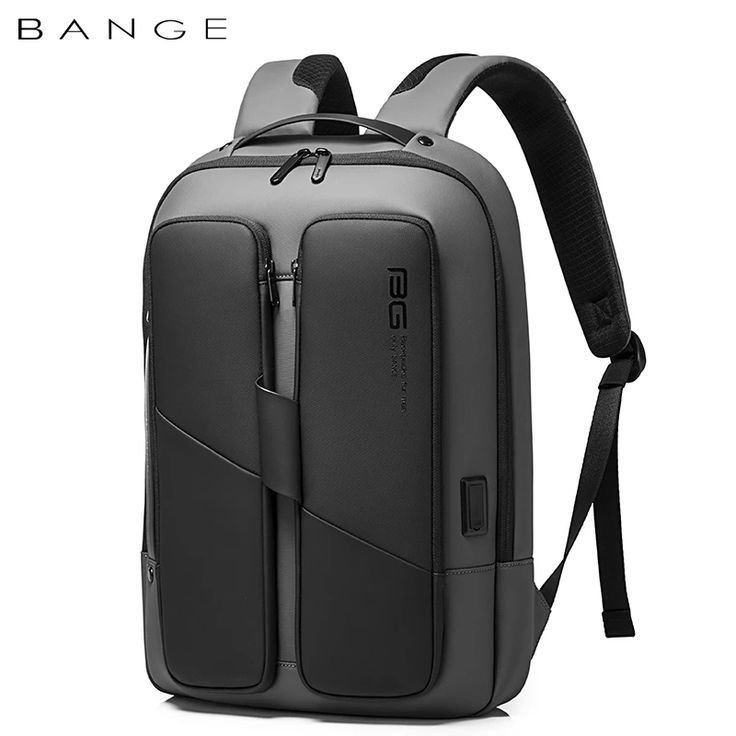
It’s easy to fall in love with a backpack that looks stylish in photos.
Modern colors, sleek shapes, and premium materials certainly catch your attention.
But once you’re carrying that backpack every day, appearance quickly becomes less important than comfort.
Think about how often you’ll actually wear it.
Walking across campus.
Commuting on public transport.
Moving through airports.
Carrying groceries on the way home.
Even a few extra pounds can start to feel surprisingly heavy after an hour.
That’s why shoulder straps deserve more attention than many buyers give them.
Wide, padded straps spread weight more evenly across your shoulders, helping reduce pressure during long periods of wear.
Thin straps often look cleaner, but they can become uncomfortable once the backpack is full.
The back panel also plays an important role.
Breathable mesh padding improves airflow and helps reduce heat buildup, especially during warmer months or longer walks.
If you’re buying a backpack for everyday use, comfort should never be considered an optional feature.
You’ll appreciate it every single day.
One Large Pocket Isn’t Always Better
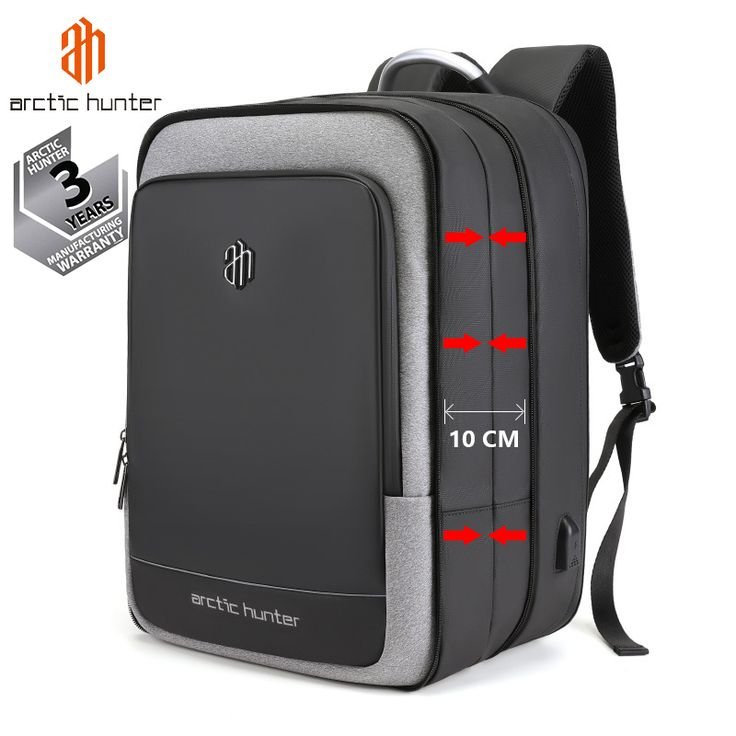
At first glance, one huge compartment seems practical.
You can fit almost anything inside.
The problem begins when you actually need to find something.
Your charger disappears underneath a notebook.
Your headphones become tangled with pens.
Your wallet ends up beneath your lunch container.
Instead of saving time, you’re constantly searching through everything you packed.
Good organization makes a backpack feel much larger than it really is.
Look for features like:
- A padded laptop sleeve.
- Separate tablet compartment.
- Small zippered pockets for valuables.
- Elastic bottle holders.
- Interior organizer pockets.
- Easy-access front pocket.
These small details may seem insignificant while shopping, but they become incredibly useful once you start using the backpack every day.
The goal isn’t simply carrying more.
It’s finding everything quickly when you need it.
The Right Size Depends on Your Lifestyle
Bigger isn’t always better.
Many people choose oversized backpacks thinking they’ll have extra space “just in case.”
Most of the time, that extra space stays empty while making the backpack bulkier than necessary.
Instead, think about how you’ll actually use it.
A university student carrying textbooks and a laptop has different needs than someone using a backpack for short city trips.
Likewise, a frequent traveler may prioritize airline-friendly dimensions over maximum storage.
Before buying, ask yourself a few simple questions.
Do you carry a laptop every day?
Will you use it mainly for commuting?
Do you travel often?
Will it replace your gym bag?
Your answers should determine the size—not the latest trend.
A backpack that matches your daily routine usually feels lighter, more balanced, and much easier to carry.
Don’t Ignore the Zippers
Most people pay attention to the fabric.
Very few inspect the zippers.
Ironically, zippers are one of the first things to fail on poorly made backpacks.
A broken zipper can make an otherwise perfect backpack almost unusable.
Before buying, check whether the zippers feel smooth rather than stiff.
Strong stitching around the zipper area is another good sign because this part experiences constant stress.
If you’re shopping online, take a close look at customer photos and reviews.
People often mention zipper quality after several months of use, providing a better picture than promotional product images.
Replacing an entire backpack because of one broken zipper is frustrating.
Spending a few extra minutes checking this detail can save you that disappointment later.
Water Resistance Is More Useful Than You Think
You don’t have to hike through mountains to appreciate a water-resistant backpack.
Imagine walking home when unexpected rain starts falling.
Or placing your backpack on slightly damp ground while waiting for public transport.
Even accidental drink spills inside a café can happen.
A water-resistant outer material helps protect electronics, notebooks, and other essentials from everyday accidents.
This doesn’t mean every backpack needs to be fully waterproof.
For most people, water-resistant fabric offers the right balance between protection, weight, and price.
If you regularly carry a laptop, camera, or important documents, this feature quickly becomes one you’ll be grateful for.
Small Features You’ll Appreciate Every Day
When comparing backpacks, people often focus on the obvious things like color and storage capacity.
However, it’s usually the smaller features that make everyday life easier.
For example, a luggage strap on the back allows you to slide your backpack securely over a suitcase handle while traveling through airports.
A hidden zip pocket against the back panel provides a safer place for your passport, wallet, or phone in crowded areas.
Compression straps help keep the bag balanced even when it’s only half full.
Reflective details improve visibility during evening walks or bike rides.
Some backpacks even include USB cable ports, key clips, or quick-access pockets for sunglasses.
None of these features are essential on their own.
Together, though, they create a backpack that’s noticeably easier and more enjoyable to use every day.
Rather than asking which backpack has the most features, ask which features genuinely fit your lifestyle.
The answer will usually lead you to a much smarter purchase.
Materials Matter More Than the Brand Name
When shopping for a backpack, it’s easy to focus on the logo.
A familiar brand often feels like a safer choice, but the material used to make the backpack usually has a bigger impact on how well it performs over time.
A backpack made from durable fabric with strong stitching can outlast a poorly made designer bag that costs much more.
One of the most common materials you’ll come across is polyester.
It’s lightweight, affordable, and suitable for everyday use. Modern polyester backpacks are also available with water-resistant coatings, making them practical for commuting, college, and casual travel.
Nylon is another excellent choice.
It’s generally stronger than polyester, resists tearing well, and handles heavy daily use with ease. If you travel frequently or carry a laptop every day, nylon is often worth considering.
For those who prefer a premium look, canvas offers timeless style. However, untreated canvas may absorb water more easily, so it’s worth checking whether the fabric has a protective coating.
Pay attention to stitching as well.
Loose threads, uneven seams, and thin fabric around stress points often indicate shortcuts during manufacturing.
Even the strongest material won’t last if the construction is poor.
Rather than asking, “Which brand should I buy?” ask yourself, “Will this backpack still feel reliable a year from now?”
That question usually leads to a better purchase.
One Backpack Doesn’t Fit Every Lifestyle
A backpack that’s perfect for university isn’t always ideal for business travel.
Likewise, a hiking backpack may feel oversized for daily commuting.
Choosing the right style starts with understanding how you’ll actually use it.
For students
A padded laptop sleeve, room for notebooks, water bottle pockets, and comfortable shoulder straps are usually the most important features.
Since students often carry their backpack for several hours each day, comfort should never be overlooked.
For office professionals
A clean, structured design usually works best.
Dedicated laptop protection, organized compartments for chargers and documents, and a professional appearance help the backpack transition smoothly between meetings and commuting.
For travelers
Look for luggage sleeves, hidden security pockets, lockable zippers, and dimensions that meet airline carry-on requirements.
These features may seem minor until you’re rushing through an airport.
For everyday use
If you’re mainly carrying daily essentials, choose a lightweight backpack with practical storage instead of unnecessary compartments you’ll rarely use.
Matching the backpack to your lifestyle is often more valuable than buying the model with the longest feature list.
Expensive Doesn’t Always Mean Better
Many shoppers believe spending more automatically guarantees better quality.
Sometimes that’s true.
Sometimes it isn’t.
A premium backpack may use stronger materials, better zippers, and higher-quality stitching that justify the price.
However, paying extra simply for a designer logo doesn’t always improve durability or comfort.
Instead of looking only at the price tag, compare what you’re actually getting.
Does the backpack include padded shoulder straps?
Is the laptop compartment properly protected?
Are the zippers sturdy?
Does the fabric feel durable?
Can it comfortably handle your daily routine?
A well-made mid-range backpack often offers better long-term value than an expensive bag chosen mainly for its appearance.
The smartest purchase isn’t always the most expensive one.
It’s the one you’ll still enjoy carrying years later.
Buying fewer, higher-quality accessories often saves money over time. If you’re building a smarter wardrobe, explore our Capsule Accessories Guide 2026 | Build a Collection That Matches Every Outfit for practical tips on choosing timeless pieces.
The Small Details You’ll Notice Every Day
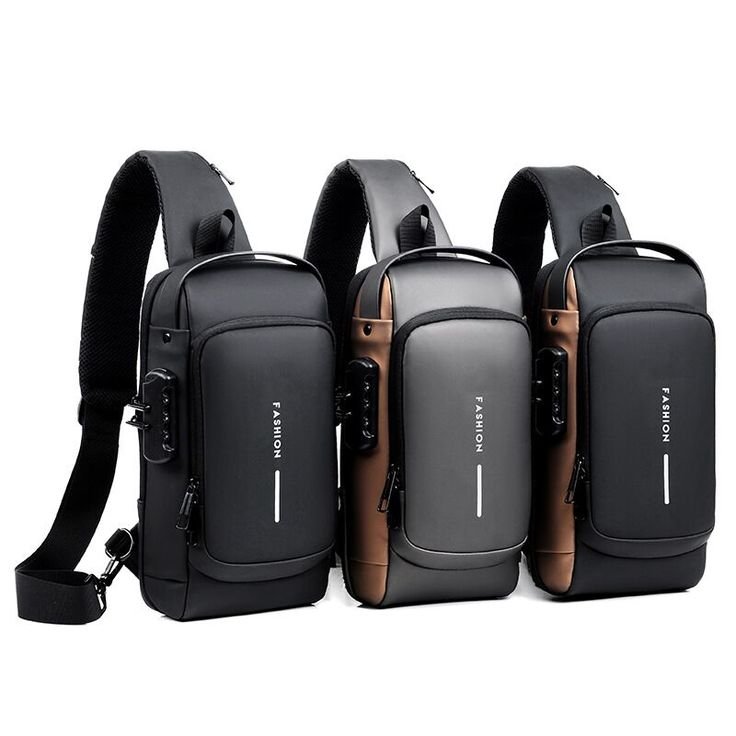
Some backpack features don’t seem important while shopping.
After a few weeks of daily use, they become the things you appreciate the most.
A sturdy top handle makes grabbing your backpack much easier when you’re getting into a car or lifting it onto a luggage rack.
Double zipper pulls let you open compartments from either side, saving time when you’re in a hurry.
Elastic bottle pockets keep drinks upright instead of rolling around inside your bag.
A reinforced bottom panel helps protect the backpack when it’s placed on the floor repeatedly throughout the day.
Even adjustable chest straps can make a noticeable difference by distributing weight more evenly during longer walks.
None of these features are exciting enough to appear in advertisements.
Yet they’re often what separates a backpack that’s merely attractive from one that’s genuinely enjoyable to use.
A quality backpack pairs perfectly with a reliable everyday timepiece. Our Sports Watch Buying Guide explains which features are worth paying for if you want a watch that fits an active lifestyle.
Before You Click “Buy”
Online shopping makes it easy to choose a backpack based on photos alone.
Unfortunately, beautiful product images rarely tell the whole story.
Before placing an order, spend a few extra minutes reading customer reviews.
Look beyond the overall star rating.
Instead, search for comments about comfort after several months, zipper durability, stitching quality, and real-life daily use.
Customer photos are equally valuable because they show how the backpack looks outside professional studio lighting.
If multiple people mention the same issue—such as weak straps or broken zippers—it’s worth paying attention.
Buying thoughtfully usually saves far more money than replacing a disappointing backpack a few months later.
Carry Less Stress, Not Just Your Belongings
A backpack should do more than carry your belongings.
It should make everyday life feel a little easier.
The right design helps you stay organized, protects the things you use most, and remains comfortable whether you’re walking across campus, commuting to work, or boarding your next flight.
Instead of choosing the first backpack that catches your eye, take a closer look at the features that truly matter.
Comfort.
Organization.
Durability.
Practical storage.
Reliable materials.
These are the details you’ll appreciate long after trends have changed.
A good backpack isn’t remembered because of its logo.
It’s remembered because it quietly makes every day a little more convenient.
Frequently Asked Questions
What size backpack is best for everyday use?
For most people, a 20–30 liter backpack provides enough space for daily essentials without feeling bulky. If you regularly carry a laptop, books, or gym clothes, you may prefer a slightly larger size.
Is a water-resistant backpack worth buying?
Yes. Water-resistant materials help protect electronics, documents, and other valuables from light rain and accidental spills. While they aren’t fully waterproof, they provide excellent everyday protection.
Which material lasts longer: polyester or nylon?
Both are durable, but nylon generally offers better tear resistance and is often preferred for heavy daily use. Polyester is lightweight, affordable, and suitable for most everyday activities.
Should I buy a backpack with a laptop compartment?
If you carry a laptop regularly, a padded laptop sleeve is highly recommended. It provides extra protection and keeps your device separate from other items inside the bag.
How do I know if a backpack is comfortable?
Look for wide padded shoulder straps, breathable back panels, adjustable straps, and even weight distribution. Reading long-term customer reviews can also provide useful insights.
How long should a good backpack last?
With proper care, a well-made everyday backpack can last several years. Durability depends on the quality of materials, stitching, zippers, and how frequently the backpack is used.
.Image Note: Product images and visual references are included to help readers identify the products discussed and understand their appearance and features. Copyright in third-party product imagery remains with the respective rights holders unless otherwise stated.