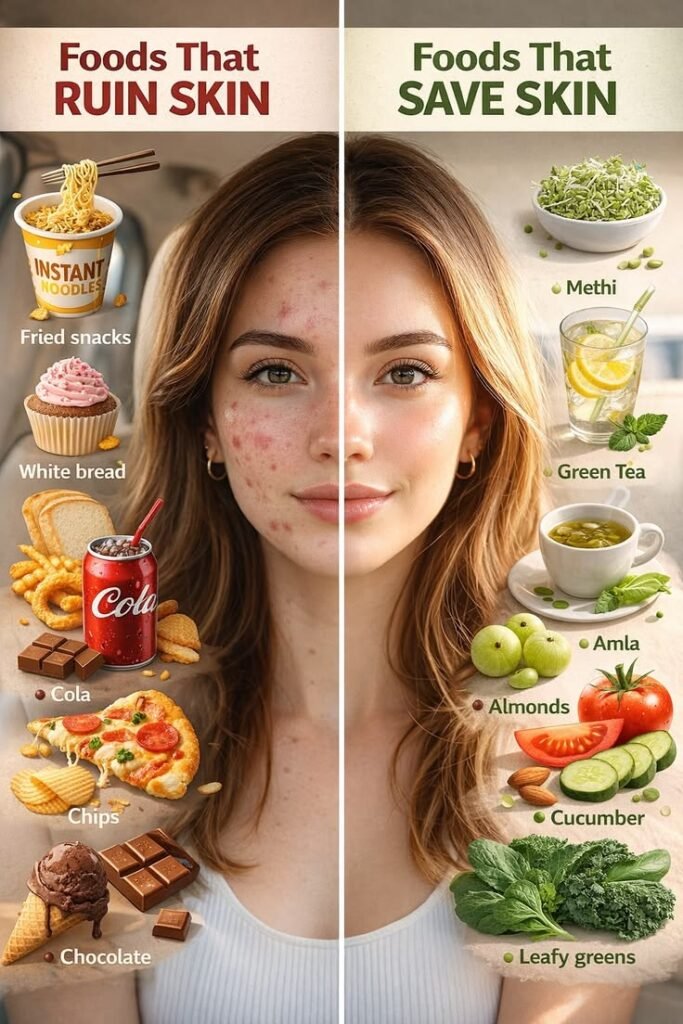
Healthy-looking skin isn’t just about skincare products. Discover the foods that nourish your skin from within, nutrients that support a natural glow, and everyday eating habits that can make a real difference. Save this guide before planning your next grocery trip.
Healthy Skin Starts Long Before Your Skincare Routine
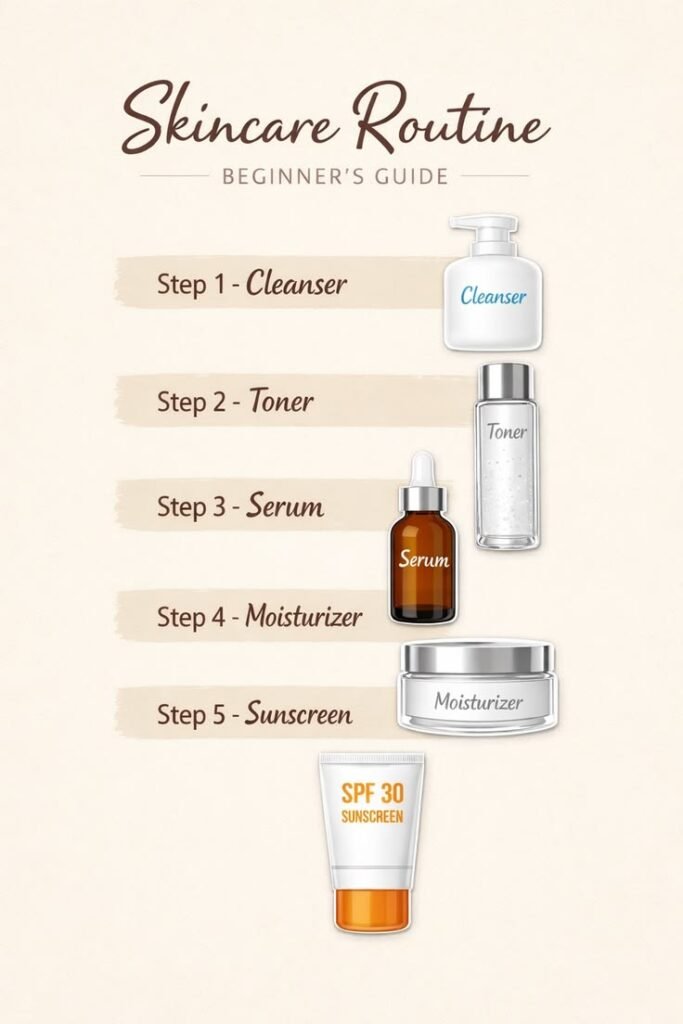
When people want healthier skin, the first thing they usually buy is a new skincare product.
A cleanser promises clearer skin.
A serum claims to brighten dullness.
A moisturizer advertises deep hydration.
While quality skincare products certainly play an important role, they don’t tell the whole story.
Your skin is your body’s largest organ, and like every other organ, it relies on the nutrients you eat every day to repair itself, stay hydrated, and function properly.
Think of skincare as taking care of the outside.
Nutrition helps support everything happening underneath.
This doesn’t mean eating one avocado or drinking a green smoothie will suddenly transform your skin overnight.
Healthy skin develops gradually through consistent habits, balanced nutrition, proper hydration, quality sleep, and a simple skincare routine that works for your skin type.
The encouraging part is that many of the foods supporting healthy skin are already found in an everyday balanced diet.
Rather than chasing expensive supplements or trendy “beauty foods,” understanding what your skin actually needs can help you make smarter choices every day.
Let’s explore how the food on your plate may influence the way your skin looks and feels.
The Connection Between Nutrition and Healthy Skin
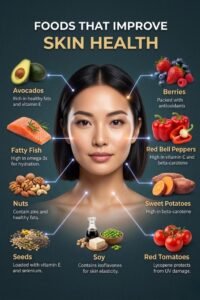
Your skin is constantly renewing itself.
Every day, old skin cells are replaced with new ones, tiny areas of damage begin repairing, and your skin barrier works around the clock to protect you from pollution, bacteria, sunlight, and moisture loss.
All of these processes require nutrients.
Without enough protein, vitamins, healthy fats, minerals, and water, your skin has fewer building blocks available to support its normal functions.
This doesn’t mean every skin concern begins with diet.
Hormones, genetics, stress, environment, age, and skincare habits all play important roles too.
However, nutrition is one factor you can improve consistently over time.
Instead of looking for a single “superfood,” it’s more helpful to think about overall eating patterns.
A colorful, balanced diet provides a wide variety of nutrients that work together rather than relying on one ingredient to do everything.
Healthy skin isn’t usually created by one perfect meal.
It’s the result of hundreds of good choices made over weeks and months.
Protein: The Building Block Your Skin Depends On
When people hear the word protein, they often think about building muscle.
Few realize that protein is equally important for healthy skin.
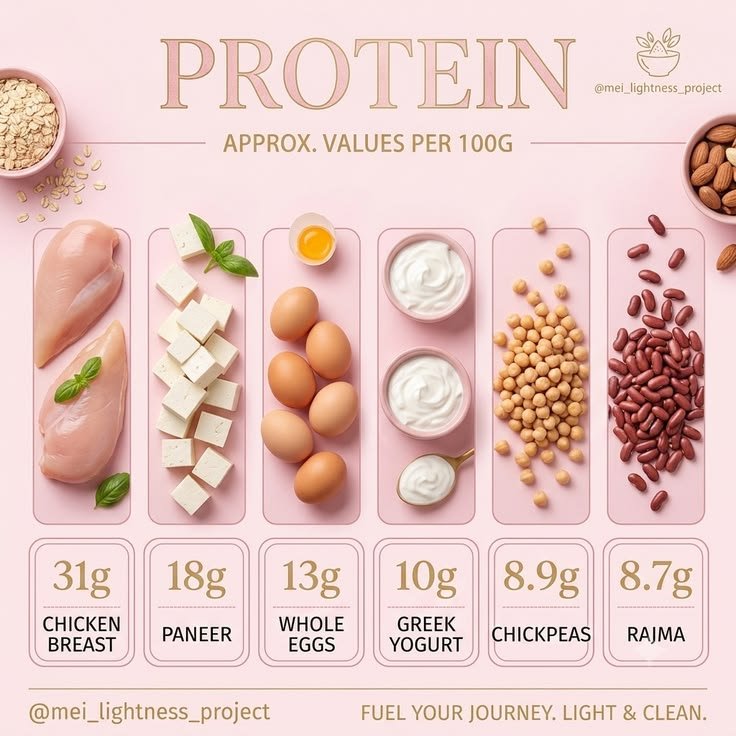
Protein provides amino acids, which your body uses to build and repair tissues throughout the body—including your skin.
Collagen and elastin, two important proteins that help support skin structure and elasticity, also depend on adequate protein intake.
If your overall diet lacks enough protein, your body naturally prioritizes more essential organs before focusing on skin health.
Fortunately, getting enough protein doesn’t require complicated meal plans.
Good sources include:
- Eggs
- Fish
- Chicken
- Turkey
- Greek yogurt
- Lentils
- Beans
- Tofu
- Lean beef
- Cottage cheese
Plant-based diets can absolutely support healthy skin as well.
The key is eating enough variety throughout the day to provide your body with different amino acids.
Rather than viewing protein as a bodybuilding nutrient, think of it as one of the foundations that helps your skin continually repair and renew itself.
Healthy Fats Help Protect Your Skin Barrier
For years, dietary fat was unfairly blamed for many health concerns.
Today, we understand that the type of fat matters much more than simply avoiding it altogether.
Healthy fats help support your skin’s natural protective barrier.
This outer layer helps reduce water loss while shielding your skin from environmental stressors.
When the skin barrier functions well, skin often feels smoother, more comfortable, and better hydrated.
Foods naturally rich in healthy fats include:
- Salmon
- Sardines
- Mackerel
- Walnuts
- Chia seeds
- Flaxseeds
- Avocados
- Olive oil
These foods provide essential fatty acids that support normal skin function as part of a balanced diet.
On the other hand, diets high in heavily processed foods and unhealthy fats may contribute to inflammation in some individuals.
Choosing healthier fat sources doesn’t mean eliminating every treat.
It simply means allowing nutritious foods to make up the majority of your meals.
Small improvements repeated consistently usually have a greater impact than strict diets that are impossible to maintain.
A strong skin barrier also depends on good skincare habits. Learn how your skin’s protective layer works in our Skin Barrier Repair in 2025 | How the Barrier Works & Recovers guide.
Vitamin C Does More Than Support Your Immune System
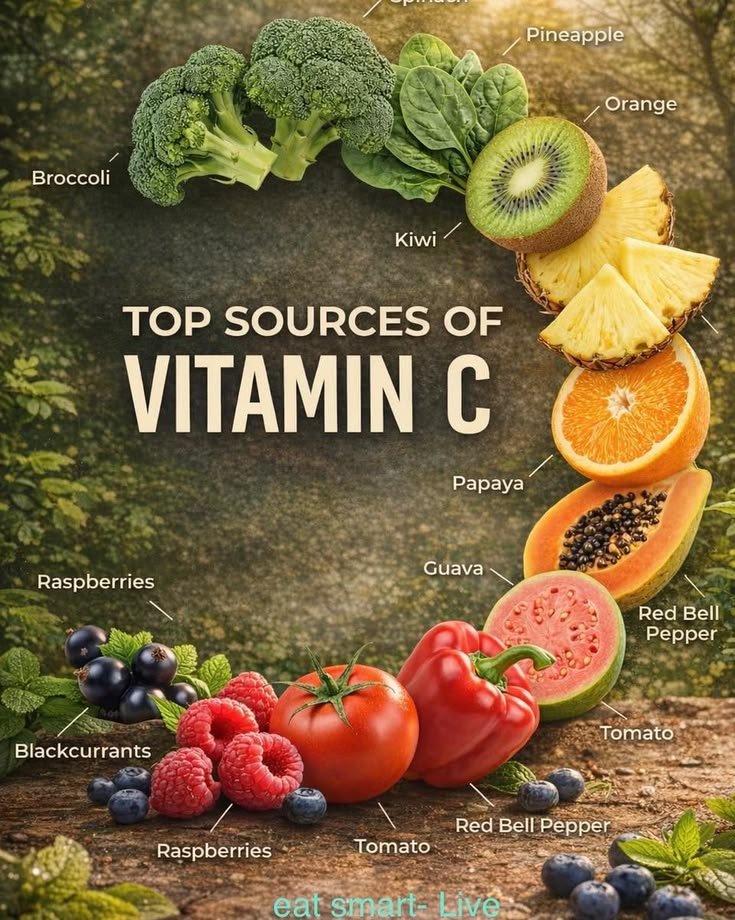
Many people reach for oranges whenever they think about vitamin C.
While vitamin C is well known for supporting immune health, it also plays another important role that’s especially relevant to your skin.
Your body needs vitamin C to help produce collagen.
Collagen is one of the proteins that supports your skin’s structure, helping it remain firm and resilient as part of normal skin function.
Vitamin C also acts as an antioxidant, helping protect cells from oxidative stress caused by everyday environmental factors.
Fortunately, citrus fruits aren’t the only source.
Other excellent options include:
- Bell peppers
- Strawberries
- Kiwi
- Broccoli
- Tomatoes
- Brussels sprouts
- Papaya
Including a variety of colorful fruits and vegetables throughout the week naturally increases your intake of vitamin C along with many other beneficial nutrients.
Instead of focusing on one “miracle” food, aim for a colorful plate.
Different colors often provide different vitamins, minerals, and plant compounds that work together to support overall health—including your skin.
Nutrition supports collagen production from within, while understanding natural collagen changes helps you care for your skin long term. Read our Collagen Loss After 25 | Skin Structure Changes & Support Strategies guide.
Foods That May Work Against Healthy Skin
Just as some foods support your skin, others may not be as helpful when eaten in excess.
This doesn’t mean you need to completely eliminate your favorite desserts or snacks.
Healthy eating isn’t about perfection.
It’s about balance.
Highly processed foods that are frequently high in added sugars, refined carbohydrates, and unhealthy fats may contribute to inflammation and can make it more difficult to maintain an overall nutritious eating pattern.
Some people also notice that regularly consuming large amounts of sugary drinks or ultra-processed snacks coincides with changes in how their skin looks or feels.
Everyone responds differently.
What affects one person’s skin may have little effect on someone else’s.
Rather than blaming one specific food, it’s more realistic to look at your overall dietary habits.
Making gradual improvements usually produces better long-term results than following restrictive eating plans that are difficult to maintain.
If most of your meals include lean protein, vegetables, fruit, whole grains, and healthy fats, there’s still room to enjoy occasional treats without feeling guilty.
Healthy skin doesn’t require a perfect diet.
It benefits from a consistent one.
Hydration Starts With More Than Water
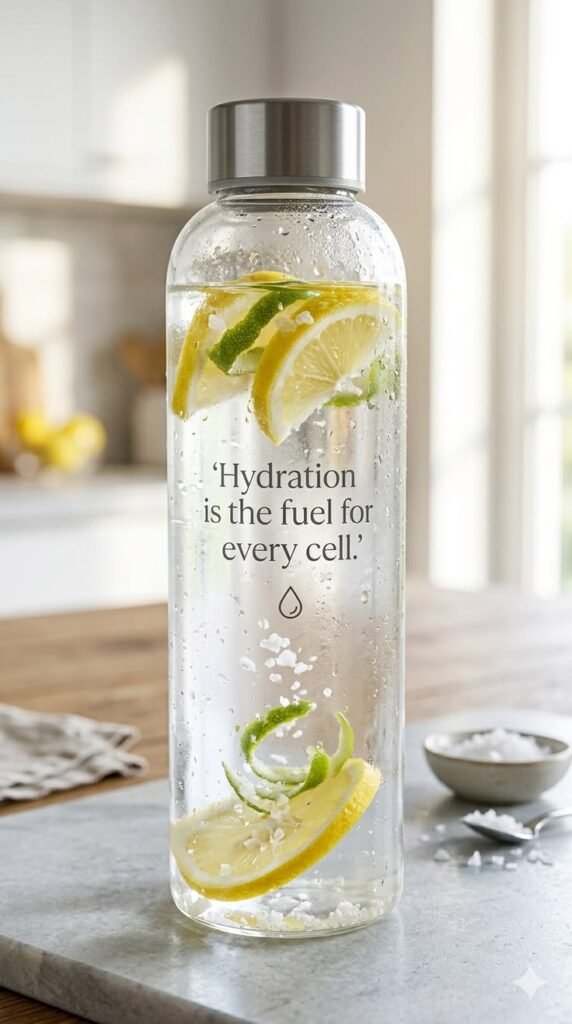
When people think about hydrated skin, they usually picture someone drinking large amounts of water throughout the day.
Staying hydrated is certainly important for your overall health, but healthy skin depends on more than simply carrying a water bottle.
Your body also gets water from many foods, especially fruits and vegetables.
Cucumber, watermelon, oranges, strawberries, celery, tomatoes, and lettuce naturally contain high amounts of water while also providing vitamins, minerals, and antioxidants that support overall skin health.
It’s also worth remembering that dehydration isn’t the only reason skin feels dry.
Cold weather, low humidity, harsh cleansers, and a damaged skin barrier can all contribute to dryness even if you’re drinking enough fluids.
Rather than relying on water alone, think about hydration as part of your overall lifestyle.
A balanced diet, regular fluid intake, and a skincare routine that helps protect your skin barrier all work together to keep your skin feeling comfortable and healthy.
Building a Skin-Friendly Plate Every Day
Healthy eating doesn’t have to be complicated.
Many people assume supporting their skin means buying expensive powders, supplements, or so-called superfoods.
In reality, a simple balanced meal often provides exactly what your body needs.
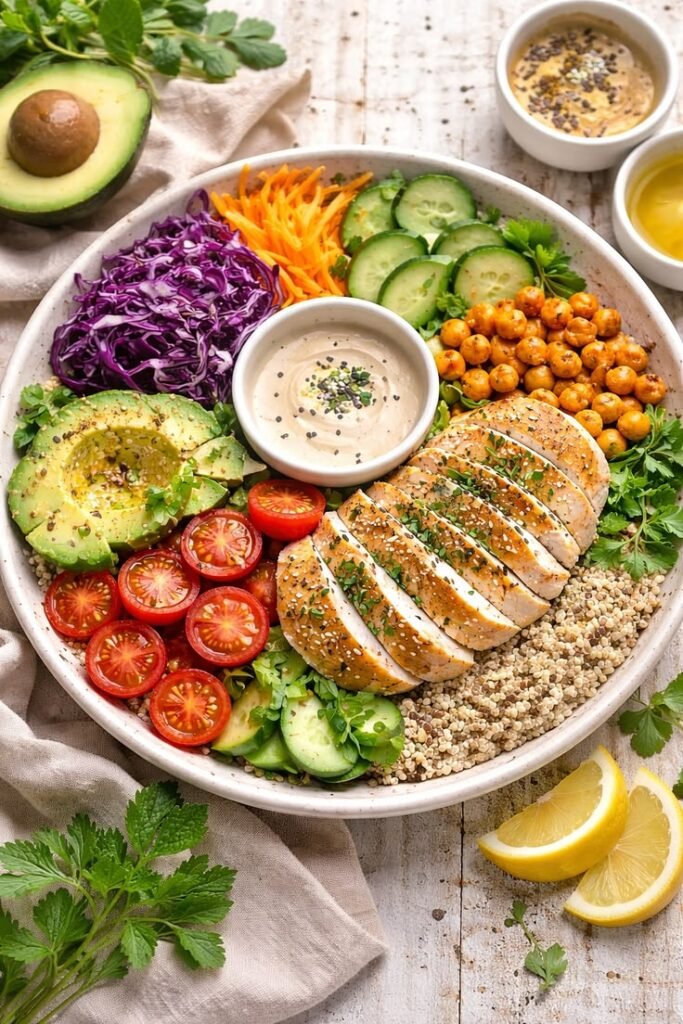
A practical way to build meals is to include several different food groups on your plate.
Aim for:
- Lean protein to support normal skin repair.
- Colorful vegetables for vitamins and antioxidants.
- Whole grains for steady energy.
- Healthy fats from foods like avocado, nuts, seeds, or olive oil.
- Fresh fruit as a naturally sweet snack.
For example, grilled chicken with brown rice, roasted vegetables, and sliced avocado provides a variety of nutrients that support overall health.
A simple breakfast of Greek yogurt with berries and nuts also combines protein, healthy fats, and vitamins in one meal.
The goal isn’t creating a perfect diet.
It’s creating one you can realistically maintain every week.
Small improvements repeated consistently often have a greater impact than dramatic changes that only last a few days.
Small Nutrition Habits That Add Up Over Time
Healthy skin rarely changes because of one meal.
It changes because of habits.
Choosing fruit instead of sugary snacks a few times each week.
Adding vegetables to lunch instead of skipping them.
Including protein at breakfast instead of relying only on refined carbohydrates.
Cooking at home more often.
These choices may seem small on their own, but over months they create a healthier eating pattern that supports your body from the inside.
Another helpful habit is planning ahead.
Keeping healthy snacks available makes it easier to avoid highly processed convenience foods when you’re busy.
A handful of almonds, yogurt, fresh fruit, or sliced vegetables can often be just as convenient as packaged snacks once they’re prepared in advance.
Healthy eating doesn’t require perfection.
It simply rewards consistency.
Supplements Can’t Replace a Balanced Diet

Walk through almost any pharmacy or browse social media, and you’ll find countless supplements claiming to transform your skin.
Collagen powders.
Beauty gummies.
Skin vitamins.
While some supplements may be helpful for people with specific nutritional deficiencies or when recommended by a healthcare professional, they shouldn’t replace a balanced diet.
Whole foods provide a combination of nutrients, fiber, and naturally occurring compounds that supplements can’t fully replicate.
Instead of asking, “Which supplement should I buy?”
Ask yourself a different question:
“Am I consistently eating a balanced variety of nutritious foods?”
For many people, improving everyday eating habits offers a stronger foundation than relying solely on supplements.
If you’re considering adding supplements to your routine, it’s always a good idea to discuss them with a qualified healthcare professional, especially if you have existing medical conditions or take prescription medications.
Don’t Expect Overnight Results
One of the biggest mistakes people make is expecting immediate changes.
After eating healthier for one week, they look in the mirror hoping for dramatic improvements.
When nothing seems different, they return to old habits.
Your skin doesn’t renew itself overnight.
Visible changes usually take time because your body is constantly replacing skin cells through a gradual process.
Think of healthy eating the same way you think about exercise.
One workout doesn’t completely transform your fitness.
But months of consistent activity can make a noticeable difference.
Nutrition works in a similar way.
The meals you choose today contribute to your overall health tomorrow.
Consistency almost always delivers better results than short periods of extreme dieting.
Healthy Skin Is Built One Choice at a Time
Healthy-looking skin isn’t created by one expensive cream or one trendy ingredient.
It’s the result of many everyday choices working together.
A balanced diet.
Adequate hydration.
Quality sleep.
Sun protection.
Regular skincare.
Stress management.
Each one contributes something different.
Instead of searching for a single food that promises perfect skin, focus on building eating habits you can enjoy for years rather than weeks.
Colorful meals, lean proteins, healthy fats, whole grains, and plenty of fruits and vegetables provide your body with the nutrients it needs to support healthy skin as part of an overall healthy lifestyle.
Your skincare routine will always matter.
But what you place on your plate every day deserves just as much attention.
Healthy skin often begins long before you open your moisturizer.
Healthy eating works best alongside a consistent skincare routine. If you’re building one from scratch, explore our Daily Skincare Routine for Healthy Skin: What Actually Works (Backed by Science) for practical daily tips.
Frequently Asked Questions
Can food really affect your skin?
Yes. Your skin relies on nutrients from your diet to support normal repair, hydration, and barrier function. Diet is only one factor, but it plays an important role alongside skincare, sleep, genetics, and lifestyle.
Which foods are best for healthy skin?
Foods rich in lean protein, healthy fats, fruits, vegetables, whole grains, and vitamin C can support overall skin health as part of a balanced diet.
Does eating sugar cause acne?
Research suggests high-sugar diets may contribute to acne in some people, but acne is influenced by many factors including hormones, genetics, stress, and skincare habits.
Is drinking more water enough to improve dry skin?
Water supports overall hydration, but dry skin can also result from weather, skincare products, and a weakened skin barrier. A balanced approach works best.
Are collagen supplements necessary?
Not for everyone. Many people can support normal collagen production through a balanced diet that includes enough protein and vitamin C. If you’re considering supplements, consult a healthcare professional.
How long does it take for healthier eating habits to affect skin?
Results vary from person to person. Healthy eating supports your body over time, so noticeable improvements usually come from consistent habits rather than quick changes.
Can I improve my skin without buying expensive supplements?
Yes. Many nutrient-rich foods such as fruits, vegetables, lean proteins, nuts, seeds, and healthy fats can support healthy skin without requiring costly supplements.
Image Note: Product images and visual references are included to help readers identify the products discussed and understand their appearance and features. Copyright in third-party product imagery remains with the respective rights holders unless otherwise stated.