Weight loss isn’t always about eating less. Learn which everyday habits could be making progress harder than it needs to be and discover practical tips that fit real life. Save this guide for healthier, long-term results.
Weight Loss Isn’t Always About Willpower
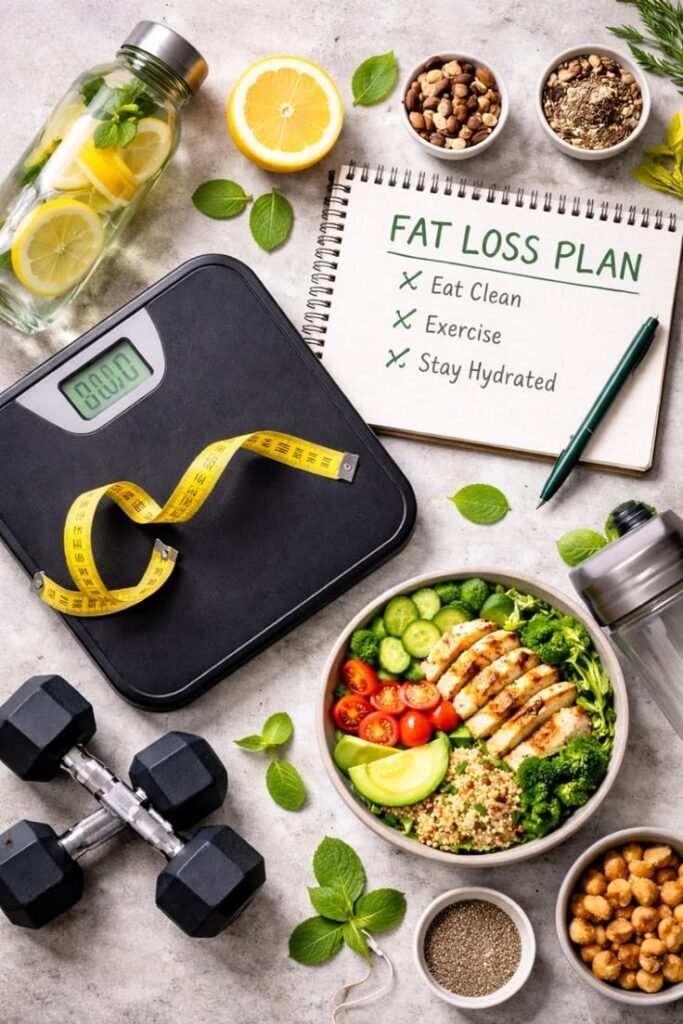
If you’ve ever tried to lose weight, you’ve probably heard plenty of advice.
“Eat less.”
“Exercise more.”
“Cut out all carbs.”
“Stop eating after 6 PM.”
The problem is that weight loss is rarely that simple.
Many people begin with good intentions, stick to a plan for a few weeks, and then become frustrated when the results don’t match their expectations.
Some assume they aren’t trying hard enough.
Others blame themselves for lacking motivation.
In reality, progress can be influenced by many small habits that often go unnoticed.
The food you choose, how much you sleep, your daily routine, stress levels, and even how quickly you eat can all play a role in supporting a healthy weight.
That doesn’t mean every habit affects everyone in the same way.
Our bodies, lifestyles, and health conditions are different.
However, building healthier routines usually produces better long-term results than following strict diets that feel impossible to maintain.
Instead of searching for another quick fix, let’s look at everyday habits that could quietly be making your weight loss journey more challenging.
Small Daily Choices Matter More Than Occasional Perfect Days
One healthy meal won’t completely change your health.
Likewise, one slice of cake won’t ruin all your progress.
What matters most is what happens consistently.
Many people become discouraged after one unhealthy meal and assume they’ve failed.
They decide to “start again next Monday,” even though one choice doesn’t define an entire week.
Healthy habits work differently.
Small decisions repeated every day gradually become part of your lifestyle.
Walking a little more.
Choosing water instead of sugary drinks.
Adding vegetables to lunch.
Cooking at home more often.
These actions may seem minor on their own, but together they create meaningful change over time.
Long-term success usually comes from habits you can continue—not from perfection.
Eating Too Little Can Sometimes Make Things Harder
One common misunderstanding is believing that eating as little as possible will automatically lead to better results.
While creating a calorie deficit is part of weight loss, eating far too little can leave you feeling tired, hungry, and less satisfied after meals.
When people constantly feel deprived, they’re often more likely to overeat later in the day or give up entirely because the plan isn’t realistic.
Instead of skipping meals, many people find greater success by eating balanced meals that include:
- Lean protein
- Vegetables
- Whole grains
- Healthy fats
- High-fiber foods
These foods often help people feel fuller for longer while providing important nutrients that support overall health.
Sustainable eating usually feels much easier than extreme restriction.
Hidden Calories Can Add Up Faster Than You Think
Many foods don’t seem particularly unhealthy until you look at how often they’re consumed.
A flavored coffee every morning.
Sugary soft drinks.
Creamy sauces.
Extra handfuls of chips while watching television.
Large restaurant portions.
None of these automatically prevent weight loss.
The challenge is that small extras repeated every day can gradually increase your overall calorie intake without you realizing it.
This doesn’t mean you need to count every calorie forever.
Instead, becoming more aware of everyday habits often helps people make better choices naturally.
For example, replacing sugary drinks with water or unsweetened tea can reduce unnecessary calories without making meals feel restrictive.
Simple changes are often easier to maintain than dramatic ones.
Protein Helps You Feel Satisfied Longer
Protein is one of the most filling nutrients you can include in your meals.
Many people notice they’re less likely to snack constantly when meals include enough protein.
Good protein sources include:
- Eggs
- Chicken
- Fish
- Greek yogurt
- Cottage cheese
- Lentils
- Beans
- Tofu
Rather than building meals around refined carbohydrates alone, adding protein may help keep you satisfied between meals.
Pairing protein with vegetables, healthy fats, and whole grains creates balanced meals that support steady energy throughout the day.
Healthy eating doesn’t require eliminating foods you enjoy.
It simply encourages building meals that help you stay comfortably satisfied.
Choosing balanced meals benefits both your overall health and your skin. Learn more in our Your Skin Reflects Your Diet | Foods That Support a Healthier Glow guide.
Sleep Deserves More Attention Than Most People Realize
Many people focus only on food and exercise.
Sleep is often forgotten.
Poor sleep can affect your daily routine in several ways.
After a restless night, many people feel less energetic, making physical activity seem less appealing.
They may also reach for convenient snacks, sugary foods, or extra caffeine simply because they’re tired.
Improving sleep won’t magically cause weight loss.
However, getting enough quality rest supports your overall health and makes it easier for many people to maintain healthy daily habits.
Creating a consistent bedtime, limiting screen time before bed, and keeping a regular sleep schedule are simple changes that may help improve sleep quality.
Movement Doesn’t Always Mean Intense Workouts
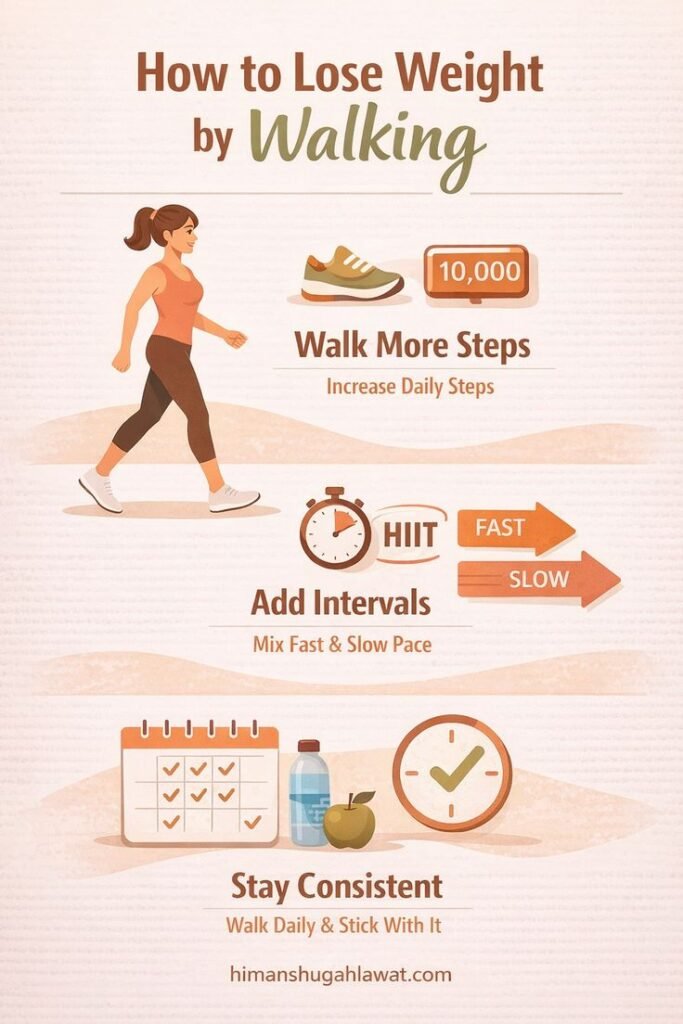
One reason people abandon fitness goals is believing every workout must be long, exhausting, or take place in a gym.
Fortunately, everyday movement matters too.
Walking after dinner.
Taking the stairs.
Gardening.
Cleaning the house.
Cycling to nearby places.
Playing with your children.
These activities all contribute to a more active lifestyle.
If structured exercise fits your routine, that’s wonderful.
If it doesn’t, increasing everyday movement is still a valuable step toward better health.
The best form of exercise is often the one you’ll continue doing consistently.
Stress Can Influence Your Everyday Choices
When people think about weight loss, they often focus on food and exercise.
Stress is sometimes overlooked, even though it can influence daily habits in meaningful ways.
After a long or stressful day, many people find themselves reaching for comfort foods instead of preparing a balanced meal.
Others snack while working, watching television, or scrolling through their phones without realizing how much they’re eating.
Stress doesn’t affect everyone in the same way.
Some people eat less, while others eat more.
The important thing is recognizing patterns rather than blaming yourself.
Finding healthier ways to manage stress—such as walking outside, listening to music, reading, stretching, or talking with friends—may help reduce emotional eating over time.
Supporting your mental well-being is just as important as choosing nutritious meals.
Portion Size Matters More Than Cutting Out Your Favorite Foods
One of the biggest myths about weight loss is believing you must completely eliminate the foods you enjoy.
For many people, that approach works for a few weeks before becoming difficult to maintain.
Instead, learning about portion sizes can be much more practical.
You don’t necessarily need to avoid pizza forever.
You don’t have to say goodbye to dessert.
What often matters more is how frequently you eat these foods and how much you consume at one time.
A balanced lifestyle usually includes room for occasional treats without feeling guilty.
Rather than asking, “Can I ever eat this again?”
A better question might be:
“How can this fit into my overall eating pattern?”
That mindset feels less restrictive and is often easier to maintain long term.
Fiber Helps Keep Hunger Under Control
Protein often gets most of the attention, but fiber is equally important.
Fiber slows digestion and helps you feel satisfied after meals.
Many high-fiber foods also contain important vitamins and minerals that support overall health.
Some excellent sources include:
- Oats
- Apples
- Pears
- Berries
- Beans
- Lentils
- Brown rice
- Broccoli
- Carrots
- Whole-grain bread
Building meals around protein and fiber together often helps reduce unnecessary snacking between meals.
Instead of looking for foods that promise rapid weight loss, focus on meals that naturally keep you full and energized.
Healthy Weight Loss Doesn’t Mean Eating Perfectly
Social media often creates unrealistic expectations.
One photo shows a perfectly prepared healthy breakfast.
Another promotes a strict diet with dramatic before-and-after pictures.
Real life rarely looks like that.
There will be birthdays.
Family dinners.
Vacations.
Celebrations.
Busy workdays.
Ordering takeout once in a while doesn’t erase months of healthy habits.
Likewise, one healthy salad won’t completely transform your health.
Successful weight management isn’t about perfection.
It’s about consistency.
People who build flexible routines usually find them easier to continue for years rather than weeks.
Healthy habits work best alongside a consistent daily routine. Read our Daily Skincare Routine for Healthy Skin: What Actually Works (Backed by Science) to build healthy habits inside and out.
Beware of Quick Fixes
Every year, new products promise to make weight loss easier.
Detox teas.
Fat-burning drinks.
Magic powders.
Extreme cleanses.
While these products often make impressive claims, lasting weight management usually comes from sustainable lifestyle habits rather than quick solutions.
A balanced diet, regular physical activity, adequate sleep, and realistic goals remain the foundation of long-term health.
If something sounds too good to be true, it’s worth taking a closer look before spending your money.
Building healthier habits may take more time, but they’re far more likely to support lasting results.
Celebrate Progress Beyond the Scale
The number on the scale doesn’t tell the whole story.
Healthy progress can also include:
- Having more energy throughout the day.
- Feeling stronger during everyday activities.
- Sleeping better.
- Choosing balanced meals more consistently.
- Feeling more confident in your routine.
- Developing healthier habits that become automatic.
These changes may happen before you notice significant differences in body weight.
Looking only at the scale can sometimes hide the positive progress you’re already making.
Celebrate every improvement, no matter how small it seems.
Healthy living is about more than one number.
Build Habits You’ll Still Enjoy Next Year
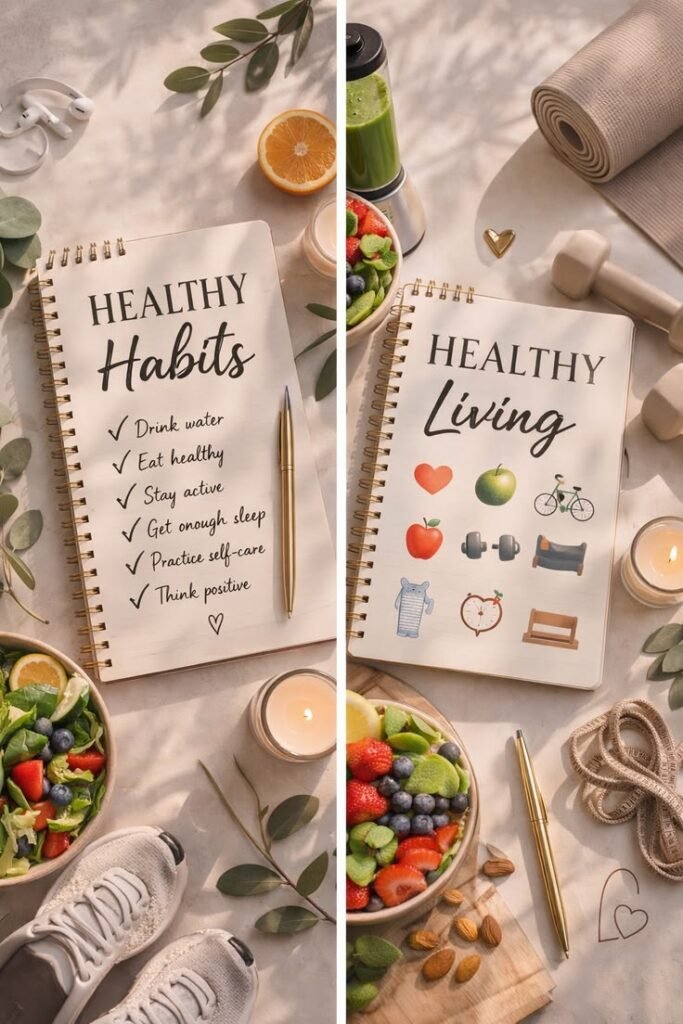
The best weight loss plan isn’t necessarily the fastest one.
It’s the one you can realistically continue.
Choosing balanced meals.
Walking more often.
Sleeping well.
Managing stress.
Drinking enough water.
Planning healthy snacks.
These habits may not sound exciting, but together they create a lifestyle that’s much easier to maintain.
Instead of asking yourself how quickly you can lose weight, ask yourself which healthy habits you’ll still enjoy a year from now.
Those are usually the habits that lead to lasting success.
Small Changes Today Can Lead to Bigger Results Tomorrow
Weight loss rarely depends on one perfect meal or one intense workout.
It’s built through everyday decisions that gradually become part of your lifestyle.
You don’t need to be perfect.
You don’t need expensive supplements.
You don’t need extreme diets.
What you need is a realistic routine that fits your daily life.
Healthy eating, regular movement, quality sleep, stress management, and patience all work together to support long-term weight management.
Every positive choice is a step forward.
Focus on progress rather than perfection, and remember that lasting results are usually built one healthy habit at a time.
Frequently Asked Questions
Why does weight loss feel so difficult?
Weight loss can be influenced by many factors, including eating habits, physical activity, sleep, stress, genetics, age, and certain medical conditions. Building consistent, healthy routines is often more sustainable than relying on restrictive diets.
Can I lose weight without giving up my favorite foods?
Yes. Many people successfully manage their weight by enjoying favorite foods in moderation while focusing on balanced meals most of the time. Portion awareness and consistency are often more practical than complete restriction.
Does drinking more water help with weight loss?
Water supports overall health and hydration. For some people, drinking water before meals or replacing sugary beverages with water may help reduce overall calorie intake.
Is walking enough for weight loss?
Walking is a great form of physical activity and can contribute to a healthy lifestyle. Combined with balanced nutrition and other healthy habits, regular walking can support weight management.
Why am I always hungry when trying to lose weight?
Meals that are low in protein or fiber may leave you feeling hungry sooner. Sleep, stress, and highly processed foods can also influence hunger throughout the day.
How long does healthy weight loss usually take?
Everyone’s journey is different. Sustainable weight loss generally happens gradually, and focusing on long-term habits is often more beneficial than expecting rapid changes.
Are weight loss supplements necessary?
Most people can work toward healthy weight management through balanced nutrition, regular physical activity, and healthy lifestyle habits. If you’re considering supplements, it’s a good idea to speak with a qualified healthcare professional.
Image Note: Product images and visual references are included to help readers identify the products discussed and understand their appearance and features. Copyright in third-party product imagery remains with the respective rights holders unless otherwise stated.